Unlocking the Value of Marine Resources Through Processing Innovation
By. Lutfi - 20 Jan 2026
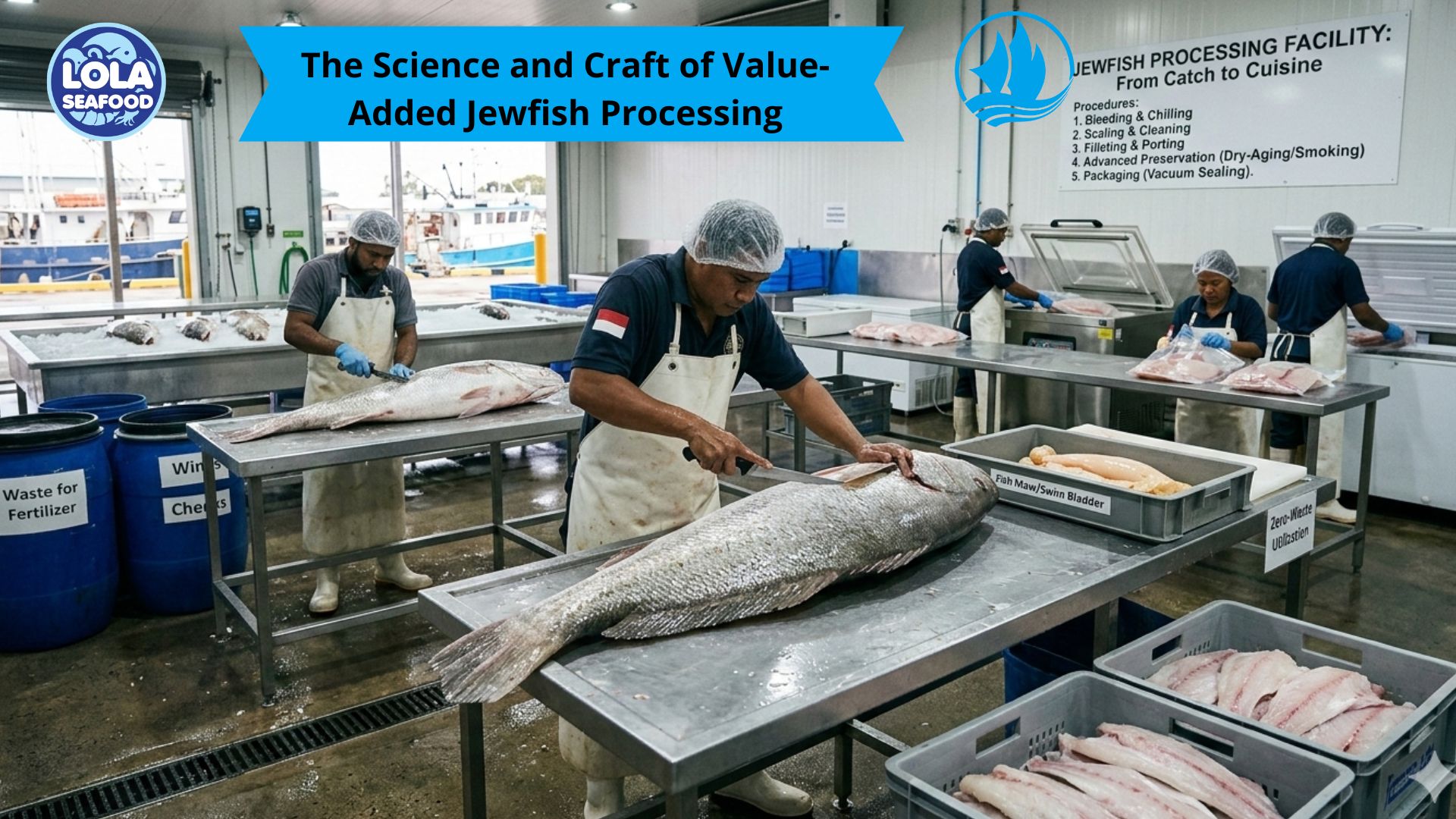
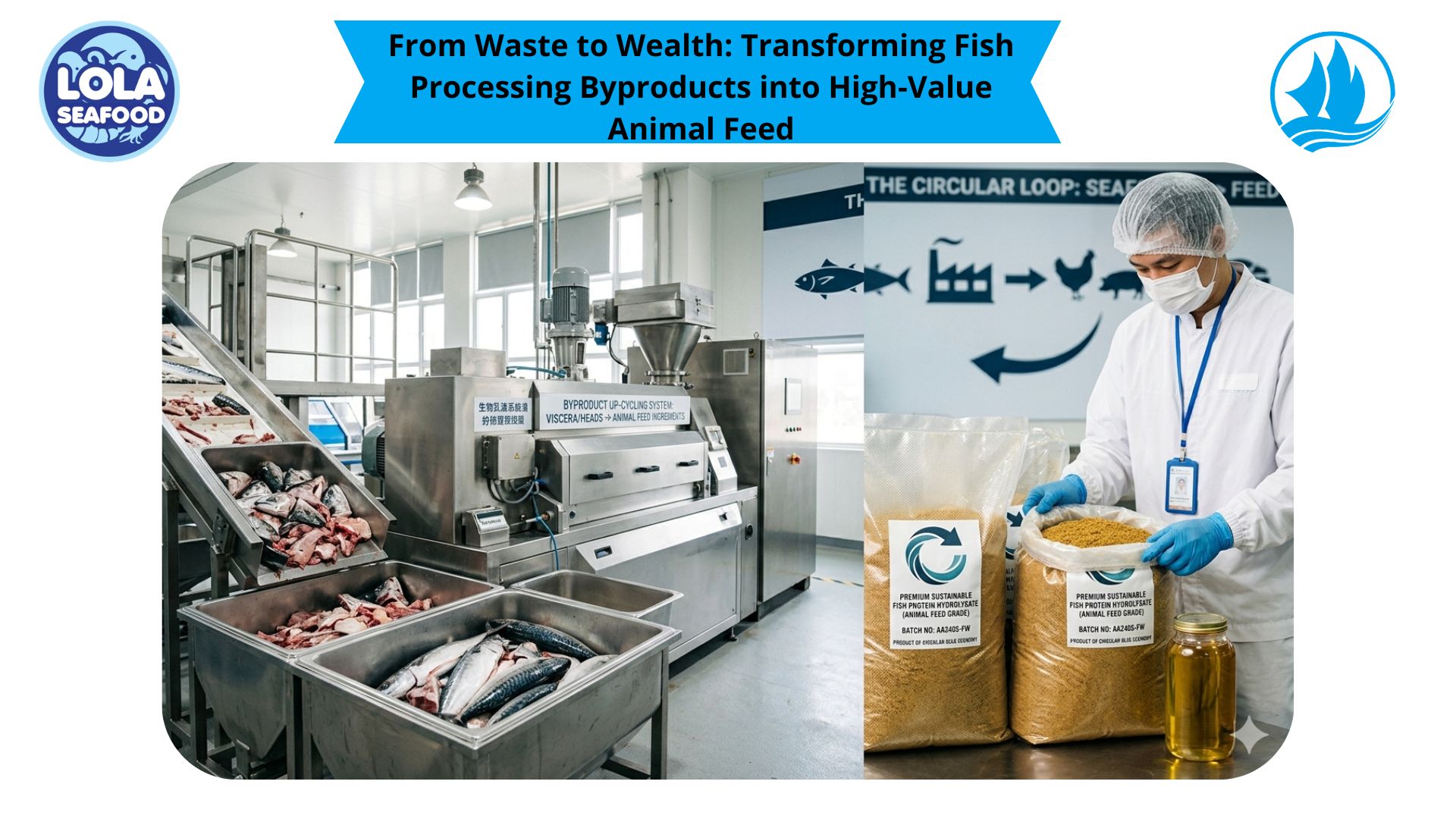
kelolalaut.com The ocean has long been the lifeblood of human civilization, providing a primary source of protein for billions and supporting the livelihoods of millions. However, as the global population marches toward 10 billion by 2050, the traditional "catch and sell" model of fisheries is reaching its ecological and economic limits. To meet rising demand without collapsing marine ecosystems, the focus must shift from increasing the volume of the harvest to maximizing the value of what we already take. This is where processing innovation becomes the key to unlocking the true potential of our "Blue Economy."
The Efficiency Gap in Traditional Processing
For decades, a significant portion of the global fish catch has been undervalued or wasted. In traditional processing, up to 50–70% of the raw material—including heads, skins, bones, and viscera—is often discarded as "waste" or diverted into low-value fishmeal. This inefficiency represents not only a lost economic opportunity but also a missed chance to utilize nutrient-dense biological material that could address global food insecurity.
Innovation in processing transforms these "by-products" into "co-products." By applying advanced technology, we can ensure that every gram of biomass harvested from the sea contributes to human health, industry, or biotechnology.
Redefining Value: Beyond the Fillet
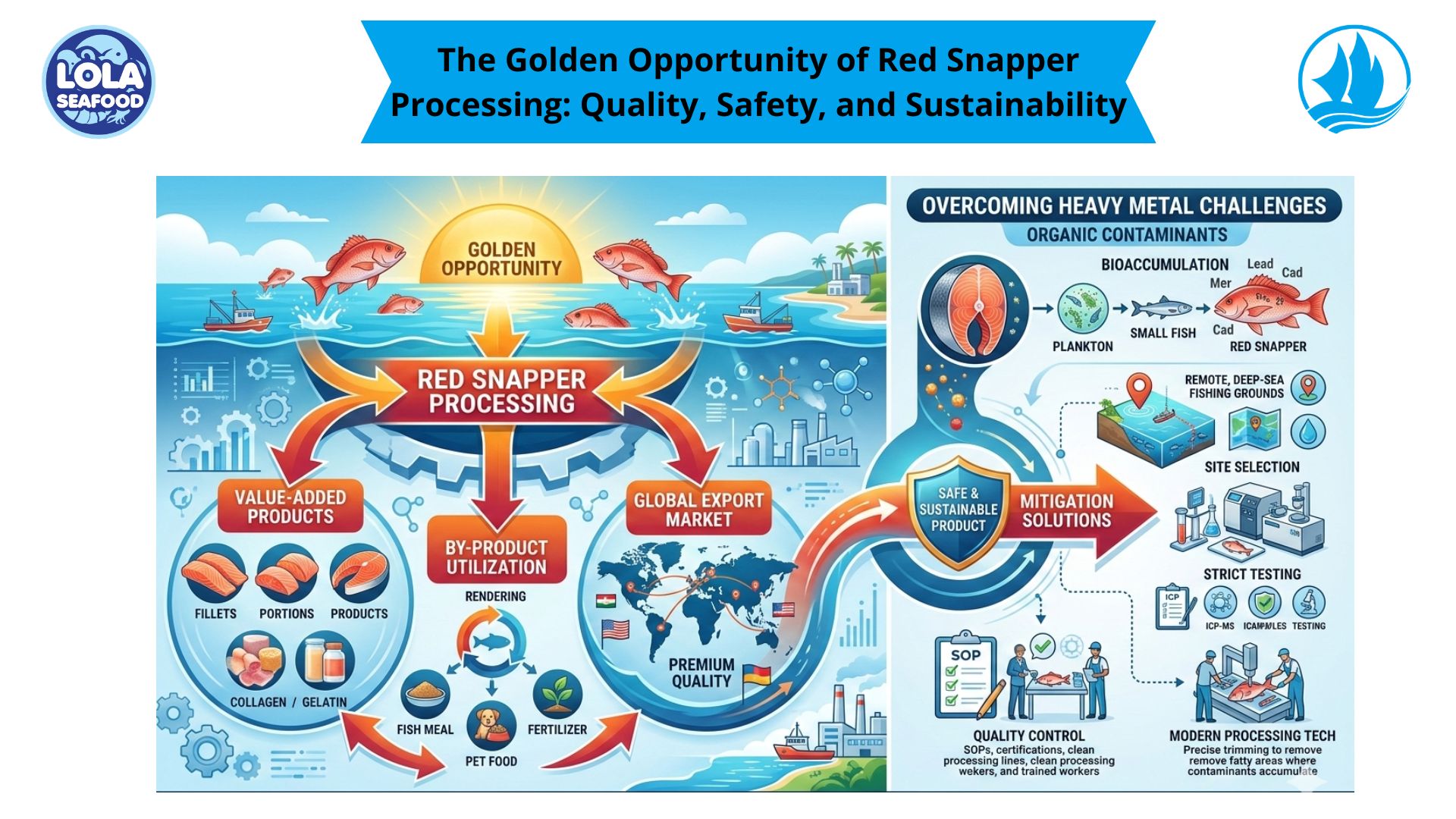
The most significant shift in marine processing is the move toward biorefinery models. Much like the oil industry extracts various high-value chemicals from crude oil, modern marine processing facilities are designed to extract multiple streams of value from a single fish.
1. Nutriceuticals and Functional Foods
Marine organisms are rich in bioactive compounds that are difficult to find in terrestrial sources. Innovation in enzymatic hydrolysis allows processors to break down fish proteins into bioactive peptides. These peptides have been shown to have antihypertensive, antioxidant, and anti-inflammatory properties. Furthermore, the extraction of high-purity Omega-3 fatty acids (EPA and DHA) from fish oil remains a cornerstone of the global supplement industry, now aided by molecular distillation techniques that ensure higher purity and less waste.
2. Biomedical and Cosmetic Applications
The skin and scales of fish, once seen as a nuisance, are now gold mines for marine collagen. Marine collagen is highly sought after in the cosmetic and medical fields due to its superior absorption and lower risk of disease transmission compared to bovine or porcine sources. In medical science, fish skin—specifically from tilapia and cod—is being used as biological bandages to treat severe burns and chronic wounds, accelerating healing through its natural structural similarity to human skin.
3. Circular Economy: Chitin and Chitosan
The shells of crustaceans like shrimp and crabs are rich in chitin. Through innovative chemical and biological processing, chitin is converted into chitosan, a versatile polymer used in biodegradable packaging, water treatment, and even sustainable textiles. This turns a major environmental pollutant (shell waste) into a solution for the global plastic crisis.
Technological Enablers of Innovation
The leap from raw material to high-value product is powered by several key technological advancements:
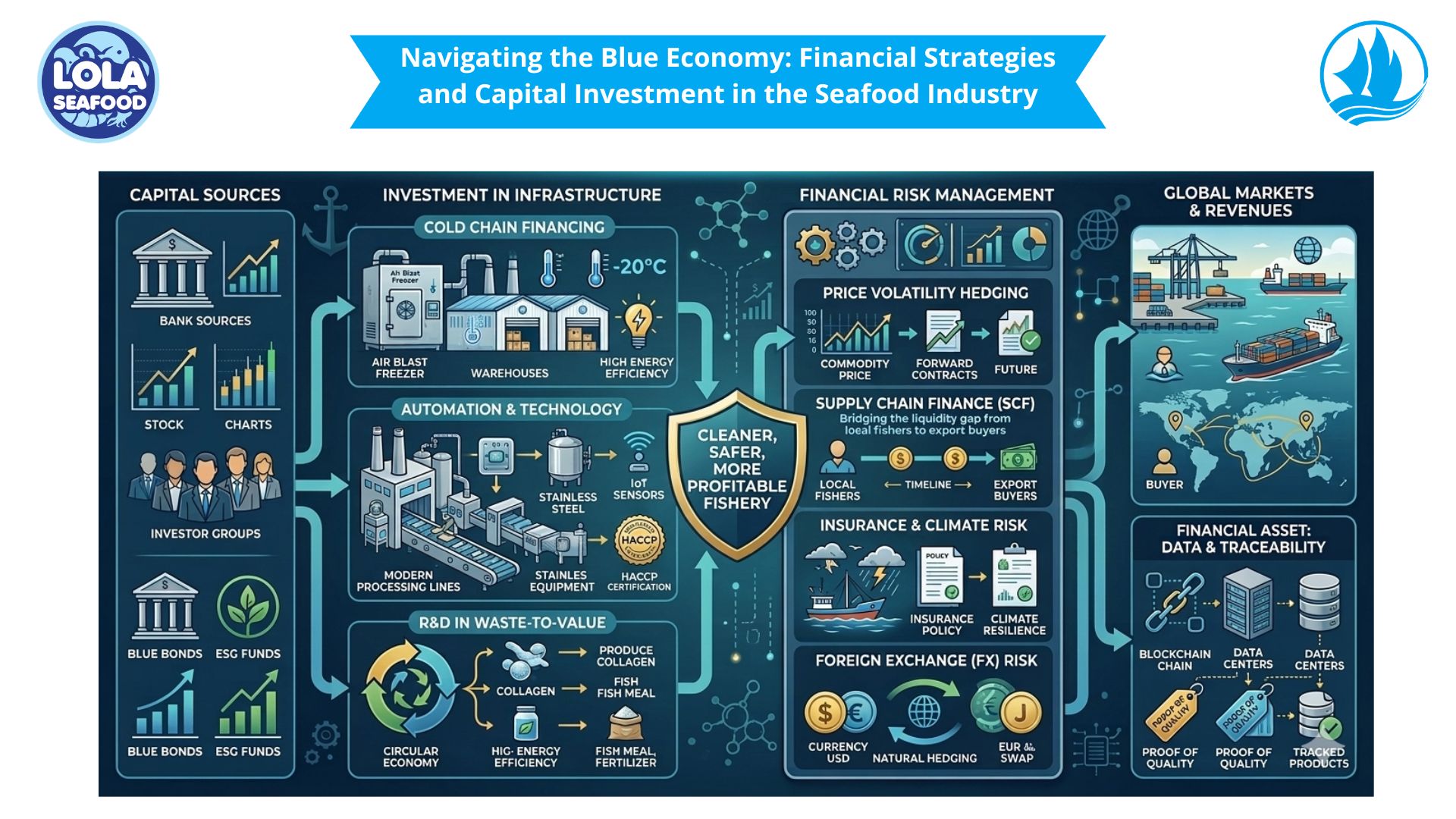
- Cold Chain Automation: Advanced IoT-enabled refrigeration and automated sorting reduce spoilage at the source, ensuring that raw materials maintain the "food-grade" quality necessary for high-value extraction.
- High-Pressure Processing (HPP): This non-thermal pasteurization technique uses extreme pressure to eliminate pathogens and extend shelf life without compromising the nutritional profile or flavor of seafood.
- Cellular Aquaculture: While still in its early stages, the ability to grow fish tissue from cells—paired with innovative scaffolding—represents the ultimate processing innovation, removing the need for traditional harvesting altogether.
The Economic and Environmental Impact
Unlocking the value of marine resources through innovation creates a "double win." Economically, it allows coastal communities and developing nations to increase their GDP without overfishing. By producing high-value extracts like collagen or peptides, a processor can generate significantly more revenue per kilogram of fish than by selling whole frozen fish.
Environmentally, these innovations support the Sustainable Development Goals (SDGs). By utilizing the "whole fish," we reduce the pressure on wild stocks. When we treat the ocean’s harvest as a precious, finite resource that must be fully utilized, we move away from the extractive mindset and toward a regenerative one.
.jpg)