Skinless Fish Fillets: The Preferred Choice for Global Buyers
By. Wiwik Rasmini - 21 Jan 2026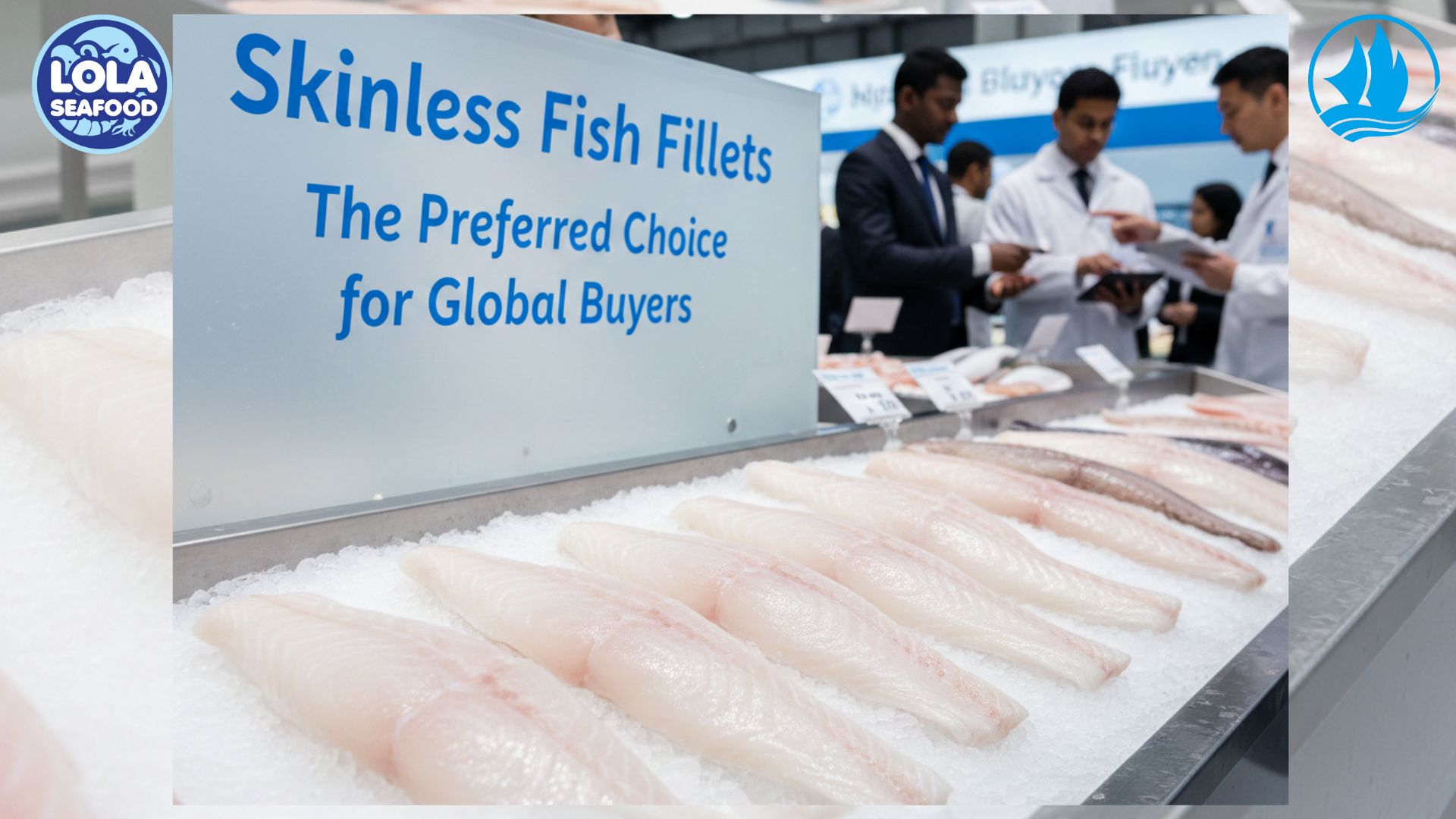
kelolalaut.com The global seafood market has undergone a dramatic transformation over the last decade. As consumer lifestyles become faster and more health-conscious, the demand for convenience has reshaped how fish is processed, packaged, and traded. Among the various product forms available, skinless fish fillets have emerged as the gold standard for international buyers, dominating imports in North America, Europe, and Asia.
From whitefish like Tilapia and Pangasius to premium proteins like Salmon and Cod, the removal of the skin is no longer just a processing step—it is a strategic value addition. Here is why skinless fillets have become the preferred choice for global seafood procurement.
1. The Convenience Factor and Modern Consumer Habits
In the modern kitchen, time is the most valuable commodity. Today’s consumers, particularly Millennials and Gen Z, often feel intimidated by the preparation of whole fish. Skinless fillets eliminate the "fear factor" associated with home cooking.
- Ready-to-Cook: Skinless fillets are essentially a "plug-and-play" protein. They can go straight from the package to the pan, steamer, or oven.
- Aesthetic Appeal: For many consumers in Western markets, the presence of skin, scales, or bones can be off-putting. A clean, uniform white or pink fillet looks more like a "protein steak" and less like an animal, making it more approachable for everyday meals
2. Versatility in Culinary Applications
For the food service industry—including restaurants, hotels, and catering companies—skinless fillets offer unmatched versatility.
- Uniform Cooking: Without the skin, which can shrink or curl when exposed to heat, fillets cook more evenly. This is crucial for industrial kitchens that rely on precise timing.
- Flavor Absorption: Skin acts as a barrier. Skinless fillets allow marinades, spices, and sauces to penetrate the flesh from all sides, resulting in a more consistent flavor profile.
- Value-Added Processing: Most secondary processors (manufacturers of fish sticks, breaded nuggets, or ready-made meals) require skinless raw material. Starting with a skinless fillet reduces labor costs and waste at the secondary stage.
3. Efficiency in Logistics and Shipping
Global trade is heavily influenced by the "yield" of a product. When a buyer imports fish, they are paying for freight based on weight.
- Lower Shipping Costs: Fish skin can account for a significant percentage of a fish's total weight. By removing the skin at the source (usually in processing hubs in Southeast Asia or South America), buyers avoid paying to ship parts of the fish that will eventually be discarded.
- Optimized Packaging: Skinless fillets are easier to vacuum-seal and stack tightly in master cartons. This maximizes container space, further reducing the carbon footprint and cost per kilogram of the usable protein.
4. Nutritional Perception and Dietary Trends
While fish skin contains beneficial Omega-3 fatty acids, many global consumers prefer skinless options for specific dietary reasons.
|
Feature |
Consumer Benefit |
|
Caloric Intake |
Removing the skin reduces the total fat and calorie count per serving. |
|
Contaminant Reduction |
Some consumers believe that toxins or pollutants are more likely to concentrate in the skin and fat layers. |
|
Texture |
For those who dislike the "rubbery" texture of un-crisped skin, skinless fillets provide a consistent, tender mouthfeel. |
5. Standardizing Quality Control
For global buyers, consistency is key to maintaining a brand’s reputation. Skinless fillets are easier to inspect for quality defects than whole or skin-on fish.
- Parasite and Bruise Detection: Removing the skin allows quality control teams to use "candling" (shining a light through the fillet) to detect parasites, blood spots, or bruising that would be hidden by the skin.
- Deep-Skinned Options: In the case of species like Tilapia or Salmon, buyers often request "deep-skinning." This process removes the dark fat line (lateral line) along with the skin, resulting in an exceptionally clean, mild-tasting fillet that meets the highest premium standards.
6. Sustainability and By-product Utilization
Interestingly, the preference for skinless fillets supports a circular economy at the point of origin. When fish are skinned in large-scale processing facilities, the skins are not wasted. They are collected and sold to specialized industries:
- Collagen Production: Fish skin is a primary source of high-quality marine collagen for the beauty and health industry.
- Leather Goods: Some skins, like those from Tilapia or Salmon, are tanned to create exotic leathers.
- Animal Feed: Scraps are often processed into high-protein fish meal.
By centralizing the skinning process, the industry ensures these "waste" products are upcycled rather than ending up in a consumer’s trash can.