Unlocking Profit Potential in Global Seafood Markets
By. Nugroho Luhur - 23 Jan 2026
kelolalaut.com The global seafood industry is entering a transformative era. As of 2026, the market is no longer just about the "catch of the day"; it is a sophisticated, data-driven ecosystem valued at over $740 billion. For stakeholders—from aquaculture startups to international distributors—the path to profitability has shifted from sheer volume to high-value precision.
Unlocking the profit potential in today’s landscape requires a trifecta of strategies: embracing digital transparency, pivoting toward health-conscious "premiumization," and optimizing supply chain resilience.
1. The Transparency Premium: Traceability as a Revenue Driver
In 2026, transparency is no longer a marketing "extra"—it is a regulatory and commercial necessity. With the full implementation of stricter traceability standards like the FSMA 204 in the United States and the CATCH system in the European Union, the "murky" supply chains of the past are being replaced by digital ledgers.
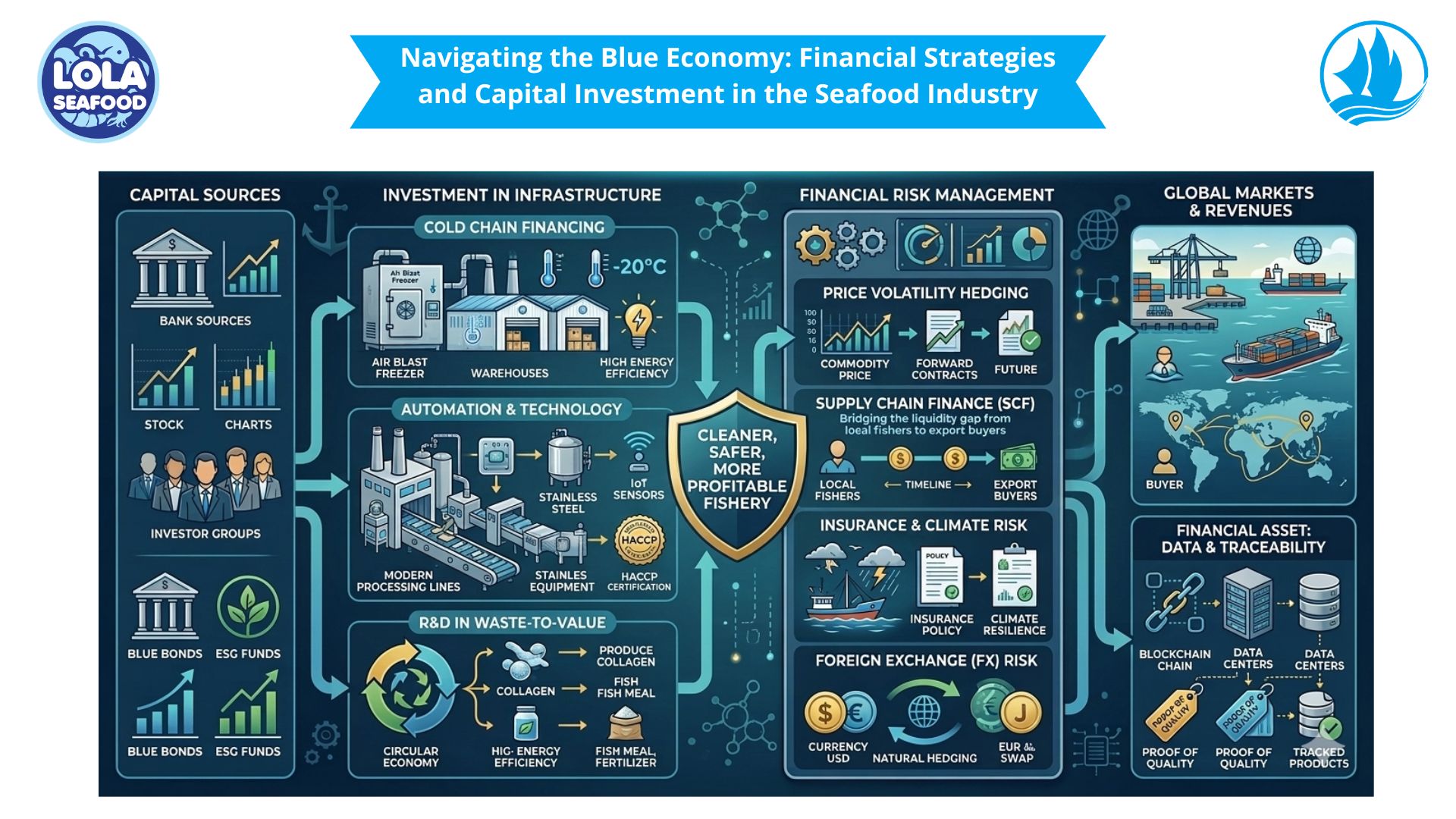
- Blockchain and IoT: Leading firms are using blockchain to provide an immutable record of a fish’s journey from "vessel to plate." By scanning a QR code, consumers can verify the species, catch location, and even the carbon footprint of their meal.
- Monetizing Trust: Data shows that consumers are willing to pay a 10-15% premium for seafood with verified sustainability credentials. Companies that invest in these technologies are not just avoiding fines; they are capturing a high-margin segment of the market that prioritizes ethics over price.
2. Riding the "Blue Protein" Health Wave
The global shift toward "Blue Foods"—aquatic foods that are nutrient-dense and have a lower environmental impact than terrestrial proteins—is a massive tailwind for the industry. Seafood is the "clear winner" in 2026 as diners prioritize muscle management and longevity.
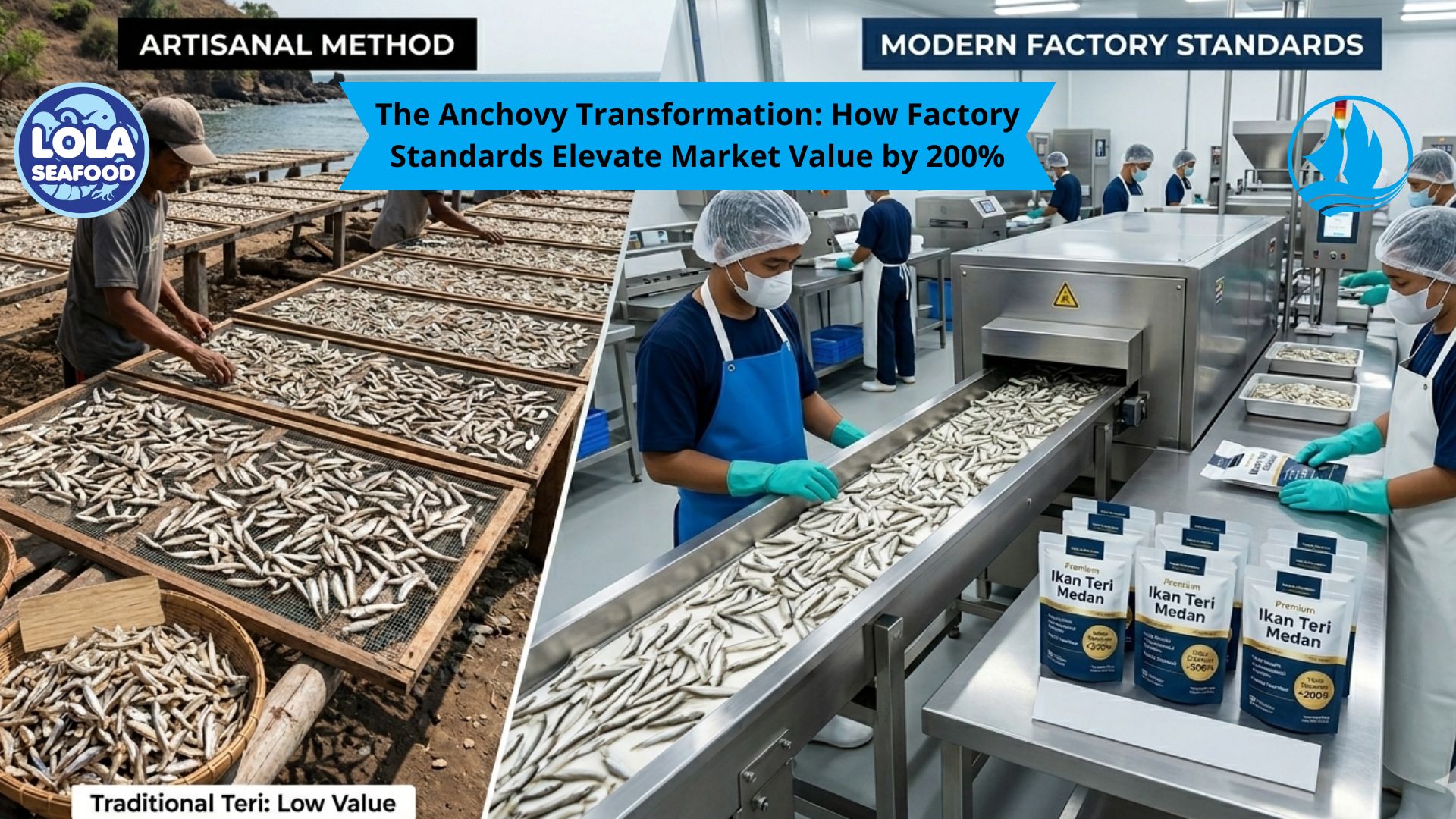
- Value-Added Convenience: Profit is increasingly found in the "middle of the plate." Ready-to-cook, pre-seasoned, and portion-controlled seafood products are outperforming raw commodities. These products solve the "fear of cooking fish" barrier for younger demographics while allowing processors to command higher price points.
- The Rise of Underutilized Species: To maximize margins, savvy players are diversifying beyond the "Big Five" (shrimp, salmon, tuna, cod, and haddock). By marketing local or invasive species—such as sprats, sardines, or silver carp—as sustainable gourmet options, businesses can reduce sourcing costs while offering a "true taste of place" that appeals to culinary adventurers.
3. Precision Aquaculture: The New Frontier of Yield
As wild-catch quotas tighten due to climate-driven shifts, aquaculture now provides over 50% of the world’s food fish. However, the profit potential in farming lies in Precision Aquaculture.
- AI and Real-Time Monitoring: Modern farms are deploying AI-powered sensors to monitor water quality, dissolved oxygen, and fish behavior. This allows for "smart feeding," which reduces the cost of feed—the industry’s largest overhead—by up to 20% while minimizing waste.
- Disease Prevention: Predictive analytics can now identify early signs of stress or disease outbreaks before they become catastrophic. In an industry where a single biological event can wipe out an entire year’s profit, these technological safeguards are the ultimate bottom-line protectors.
4. Navigating the Logistics of 2026
Global trade remains a complex puzzle of rising costs and shifting corridors. While Asia-Pacific remains the largest market, the Middle East and Africa are emerging as the fastest-growing regions, driven by massive investments in cold-chain infrastructure.
To unlock profit here, companies are moving toward Direct-to-Consumer (D2C) models and e-commerce. By bypassing multiple layers of wholesalers, producers can retain a larger share of the final retail price. Furthermore, the integration of "smart packaging"—which changes color if the cold chain is breached—reduces food waste, which currently accounts for nearly 30% of seafood loss globally.