Riding the Global Wave: The Export Potential and Market Value of the Angkui Fish
By. Fajar - 12 Mar 2026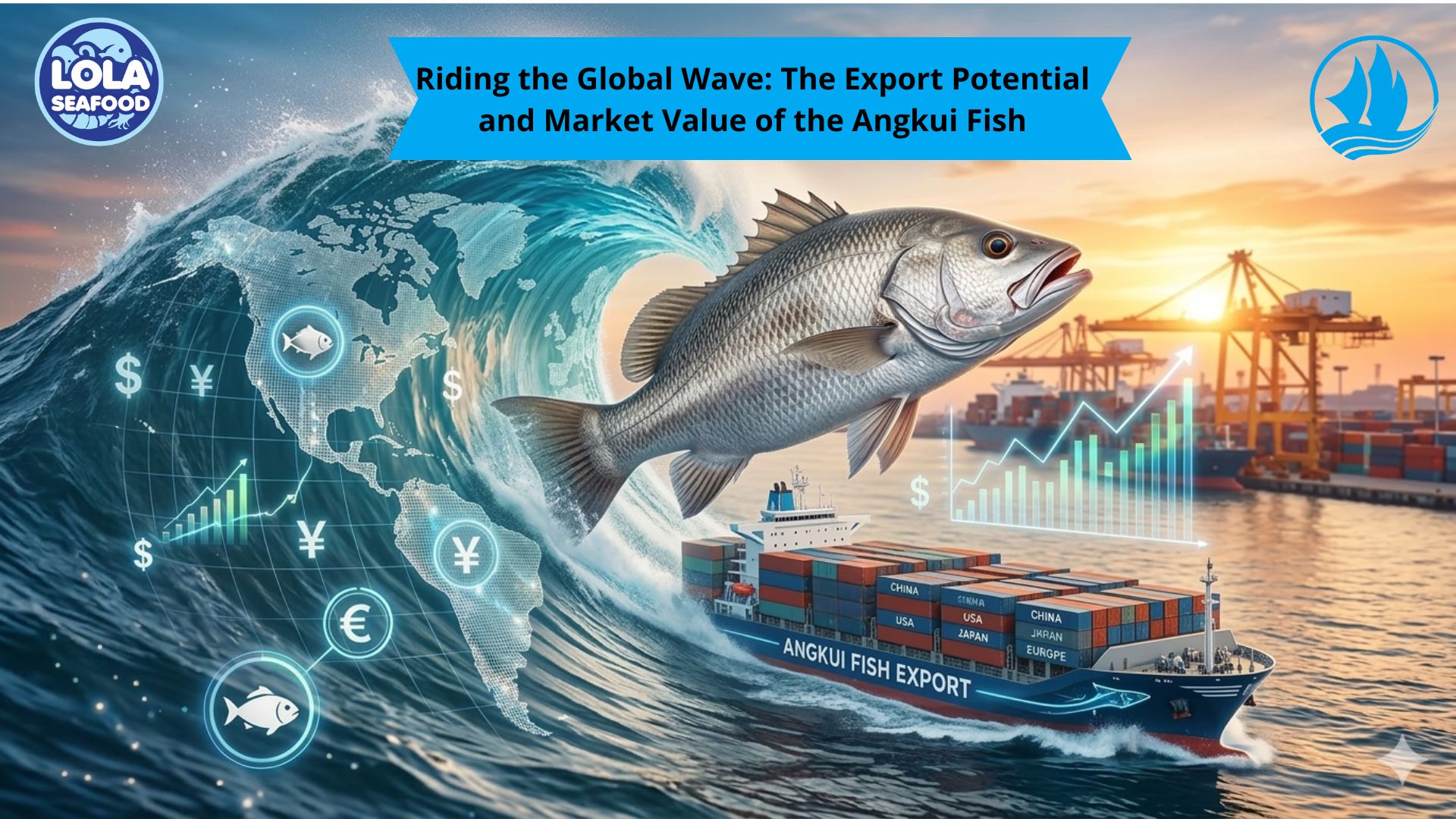
kelolalaut.com The Indonesian maritime sector is a treasure trove of biodiversity, often referred to as the "Amazon of the Seas." While tuna, shrimp, and lobster have long dominated the headlines of national exports, a new contender has been quietly making waves in the international market: the Angkui Fish. Known in various regions as a premium member of the snapper or threadfin family, the Angkui fish is transforming from a local delicacy into a high-value global commodity.
The Allure of the Angkui: Why the World Wants It
The Angkui fish possesses a unique combination of culinary traits that make it highly sought after by international chefs and seafood distributors. Its flesh is pearly white, firm in texture, yet remarkably flaky and moist when cooked. Unlike some stronger-tasting oily fish, the Angkui offers a subtle, sweet profile that serves as a perfect canvas for both complex spices and simple, clean preparations.
In East Asian markets—particularly China, Hong Kong, and Taiwan—the Angkui is more than just food; it is a symbol of prosperity. It is frequently the centerpiece of wedding banquets and Lunar New Year celebrations. The demand in these regions is so high that premium-grade Angkui can fetch prices that are five to ten times higher than those found in local Indonesian wet markets.
The Economic Engine: From Local Catch to Foreign Exchange
The journey of the Angkui fish from the deep waters of the Indonesian archipelago to a Michelin-starred restaurant in Singapore is a testament to the potential of Indonesia’s blue economy. When managed correctly, the export value of this fish can provide a massive boost to the country’s foreign exchange reserves.
Currently, the market price for export-quality Angkui is heavily dependent on three factors:
- Size Consistency: International buyers prefer standardized weights (usually 800g to 1.2kg) for consistent plate presentation.
- Color Integrity: For the "chilled" market, the brightness of the fish's skin is a primary indicator of freshness.
- Fat Content: Seasonality affects the richness of the meat, with higher fat content driving up the price per kilogram.
Challenges in the Export Pipeline
Despite its high market value, penetrating the global market is a feat of logistical precision. The "Gold Standard" of seafood export is the Cold Chain. From the moment an Angkui fish is pulled from the water, the clock starts ticking.
- Temperature Control: Any fluctuation in temperature during transit can degrade the protein structure, turning a premium export item into a low-grade local product.
- Traceability and Sustainability: Modern consumers in Europe and North America demand to know the "story" of their food. Was the Angkui caught using sustainable line-fishing, or destructive bottom trawling? Documentation such as the Catch Certificate (SHTI) is now a mandatory ticket to entry for global trade.
- Sanitary and Phytosanitary (SPS) Measures: Meeting the rigorous health standards of the FDA (USA) or the European Food Safety Authority is often the biggest hurdle for local exporters.
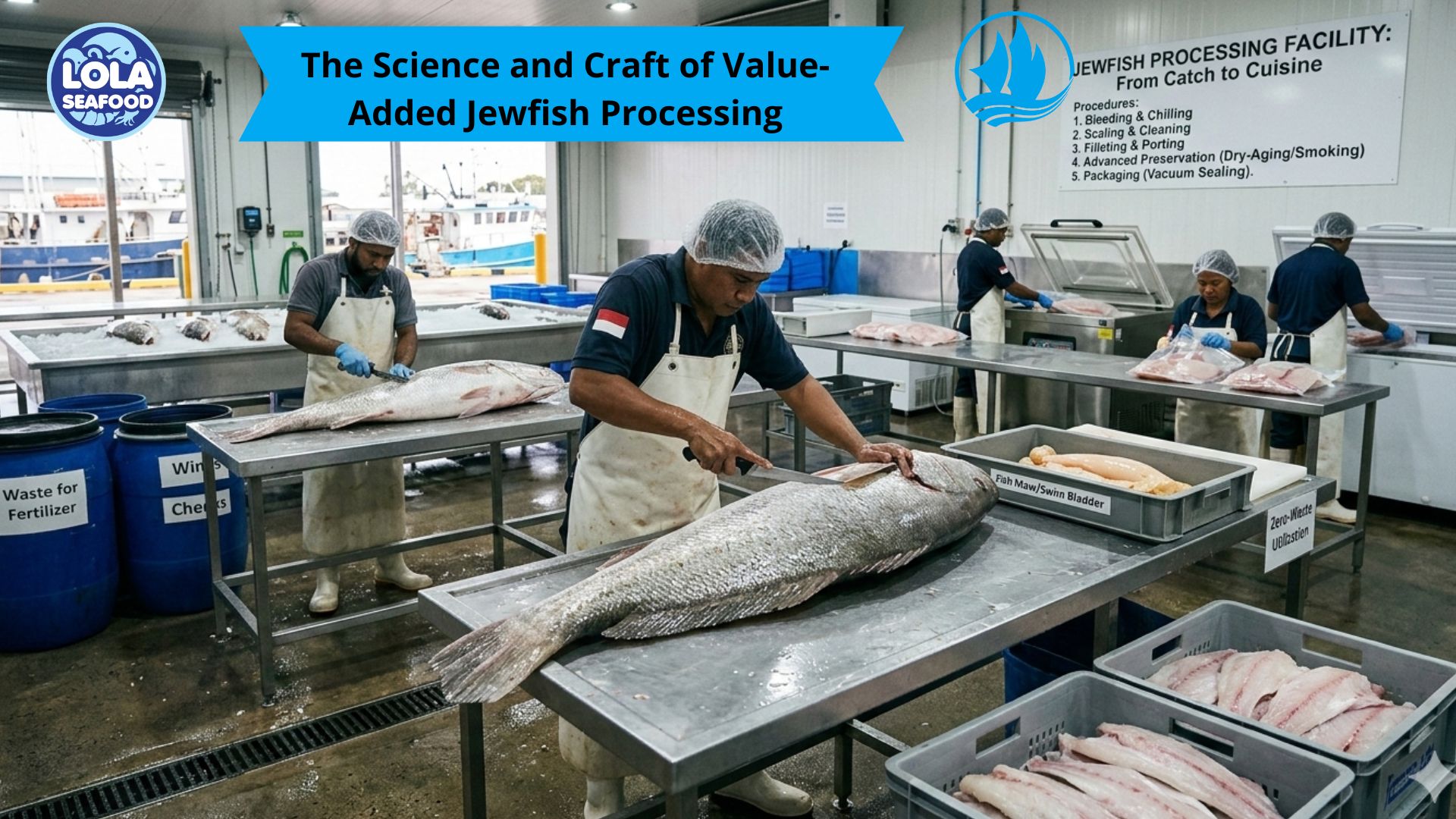
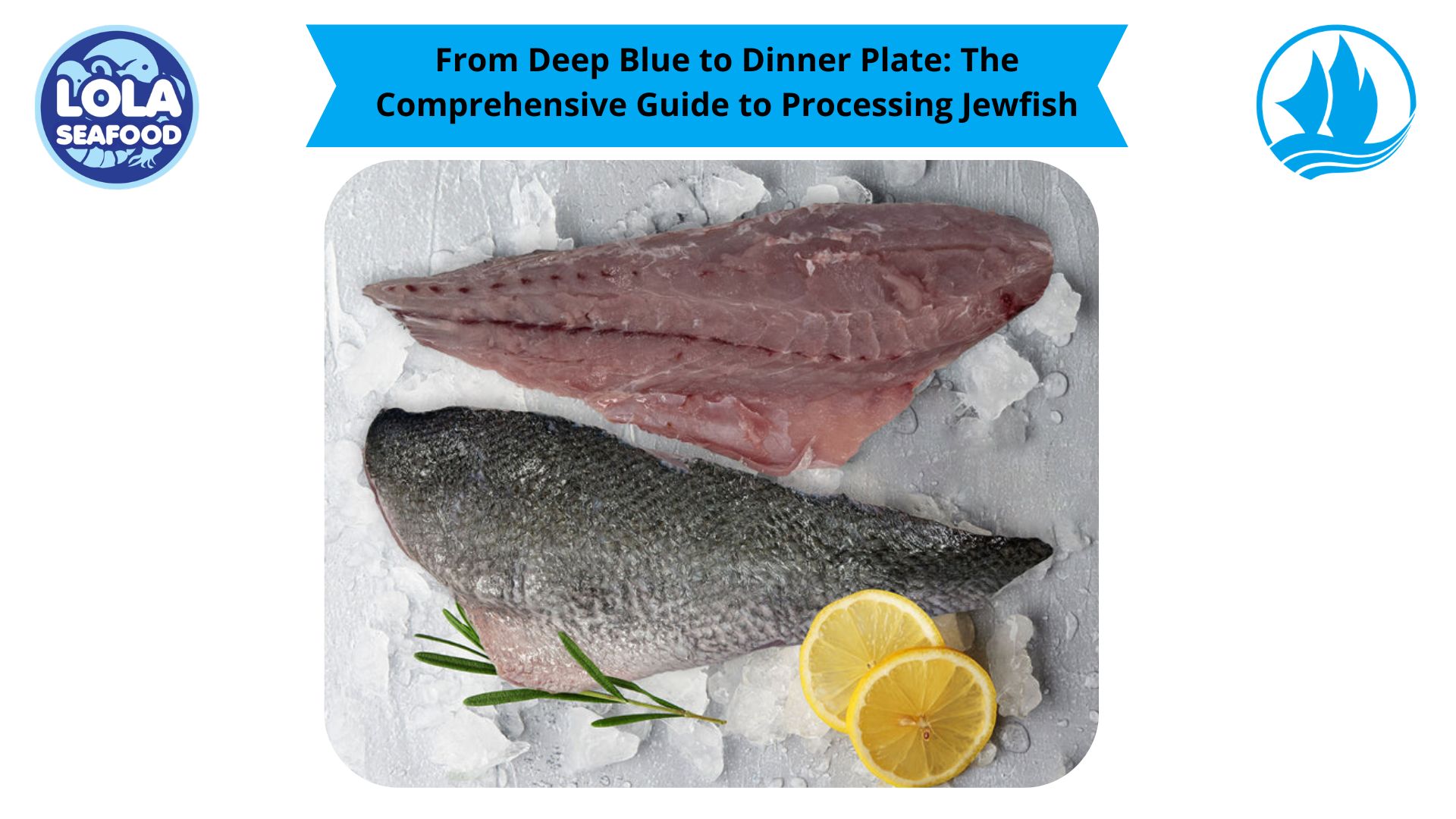
The Value-Added Shift: To maximize profits, Indonesia is moving away from exporting "whole round" fish. By processing the Angkui into vacuum-sealed skin-on fillets or loins within the country, we retain more economic value and create jobs in the local processing industry.
The Role of Technology and Government
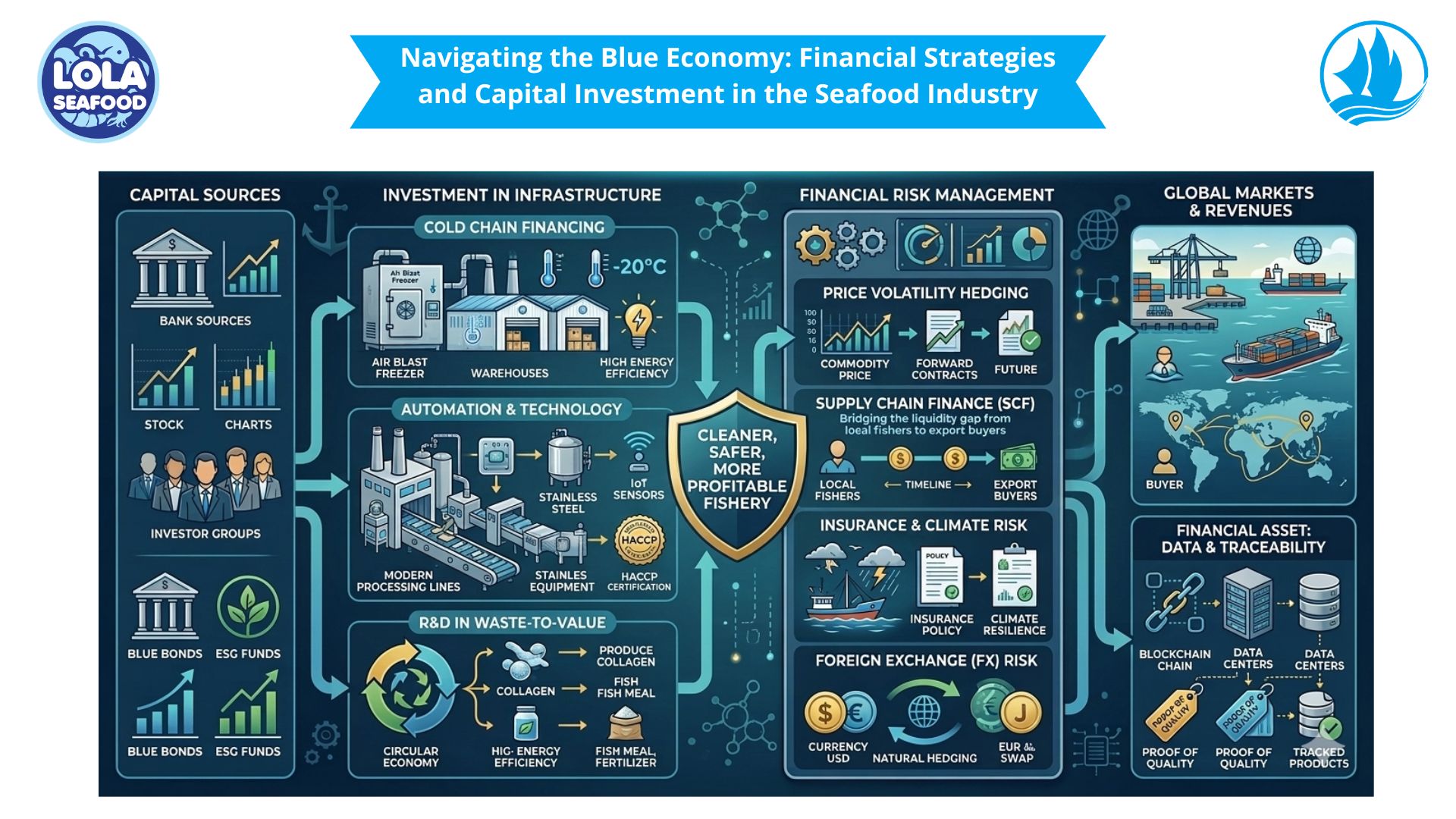
To ensure the Angkui fish remains a sustainable gold mine, the Indonesian government and private tech sectors are intervening. Satellite-based vessel monitoring systems (VMS) help prevent overfishing in breeding grounds, while blockchain technology is being trialed to provide unalterable "birth certificates" for each fish, proving its origin and legal catch status.
Furthermore, the rise of B2B seafood marketplaces has allowed local fishermen to bypass multiple layers of middlemen, connecting them directly with international wholesalers. This "democratization" of the supply chain ensures that a larger share of the export value ends up in the pockets of the coastal communities.
A Bright Horizon
The Angkui fish represents the future of Indonesian fisheries—a move away from quantity toward high-quality, high-margin species. As global palettes become more sophisticated and the demand for healthy, wild-caught protein grows, the Angkui is perfectly positioned to become a flagship Indonesian export.
By bridging the gap between traditional fishing wisdom and modern logistical standards, Indonesia can ensure that the Angkui fish remains a gift from the sea that keeps on giving, both to the ecosystem and the national economy. The potential is vast, the waters are deep, and the market is hungry.
If youre interested in our Whiting Fish Whole Round,Barramundi Fillet Skin On,Catfish Fillet Skinless,Cobia Fillet Skinless,Coral Trout Fillet Skin On,Barramundi Whole Round / Whole Gilled Gutted Scaled,Corvina / Croaker / Jew Fish Whole Round / Whole Gilled Gutted Scaled,Black Pomfret Whole Round,Red / Scarlet Snapper Fillet Portion,Parrotfish Fillet Skinless please do not hesitate to contact us through email and/or Whatsapp
.jpg)