Blue Gold: The Strategic Case for Investing in the Next Generation of Seafood Nutrition
By. Wiwik Rasmini - 08 May 2026.jpg)
kelolalaut.com As global populations soar toward a projected 10 billion by 2050, the traditional terrestrial food systems are reaching their environmental and productive limits. For the discerning investor, the "Blue Economy"—specifically the seafood and marine nutrition sector—represents one of the most compelling frontiers for long-term capital appreciation and impact. The shift is no longer just about catching fish; it is about a high-tech, nutritionally dense, and sustainable revolution that positions seafood as the ultimate "Blue Gold."
1. The Market Catalyst: A Global Shift in Consumer Health
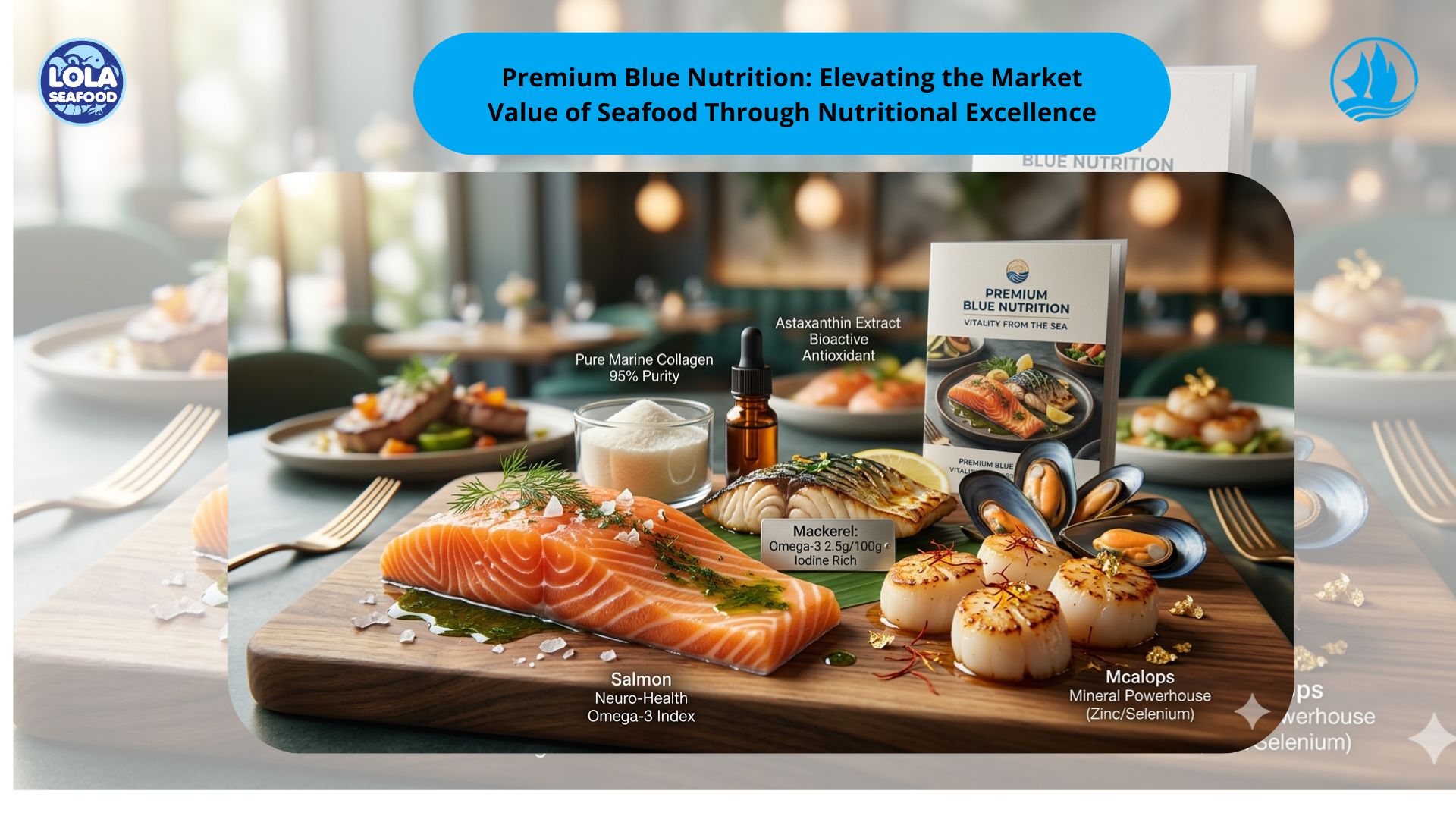
The primary driver for investment in seafood is a fundamental shift in global consumer behavior. Modern consumers are increasingly prioritizing "functional foods"—products that provide health benefits beyond basic nutrition.
- The Omega-3 Boom: With rising awareness of cardiovascular and cognitive health, the demand for $DHA$ and $EPA$ has moved from niche supplements to mainstream food requirements.
- Lean Protein Dominance: As the health risks associated with red meat consumption become more widely documented, seafood is capturing a larger share of the global protein market due to its high bioavailability and low caloric footprint.
- Anti-Aging and Longevity: The discovery of marine-sourced antioxidants like Astaxanthin and bioactive peptides has opened new revenue streams in the nutricosmetics and pharmaceutical industries.
2. Efficiency and Scalability: The Metabolic Advantage
From a resource-efficiency standpoint, seafood offers a superior "feed-conversion ratio" compared to land-based livestock. Cold-blooded marine animals require less energy to maintain body temperature, meaning a higher percentage of feed is converted directly into edible, high-value protein.
For investors, this efficiency translates into lower operational costs and higher margins. Innovations in Recirculating Aquaculture Systems (RAS) and offshore automation are further de-risking the industry, allowing for year-round production that is insulated from the volatility of climate change and traditional land-based agricultural cycles.
3. Diversified Revenue Streams: Beyond the Plate
Investing in marine nutrition is not limited to the food service industry. The "Blue Frontier" offers a multi-layered ecosystem of investment opportunities:
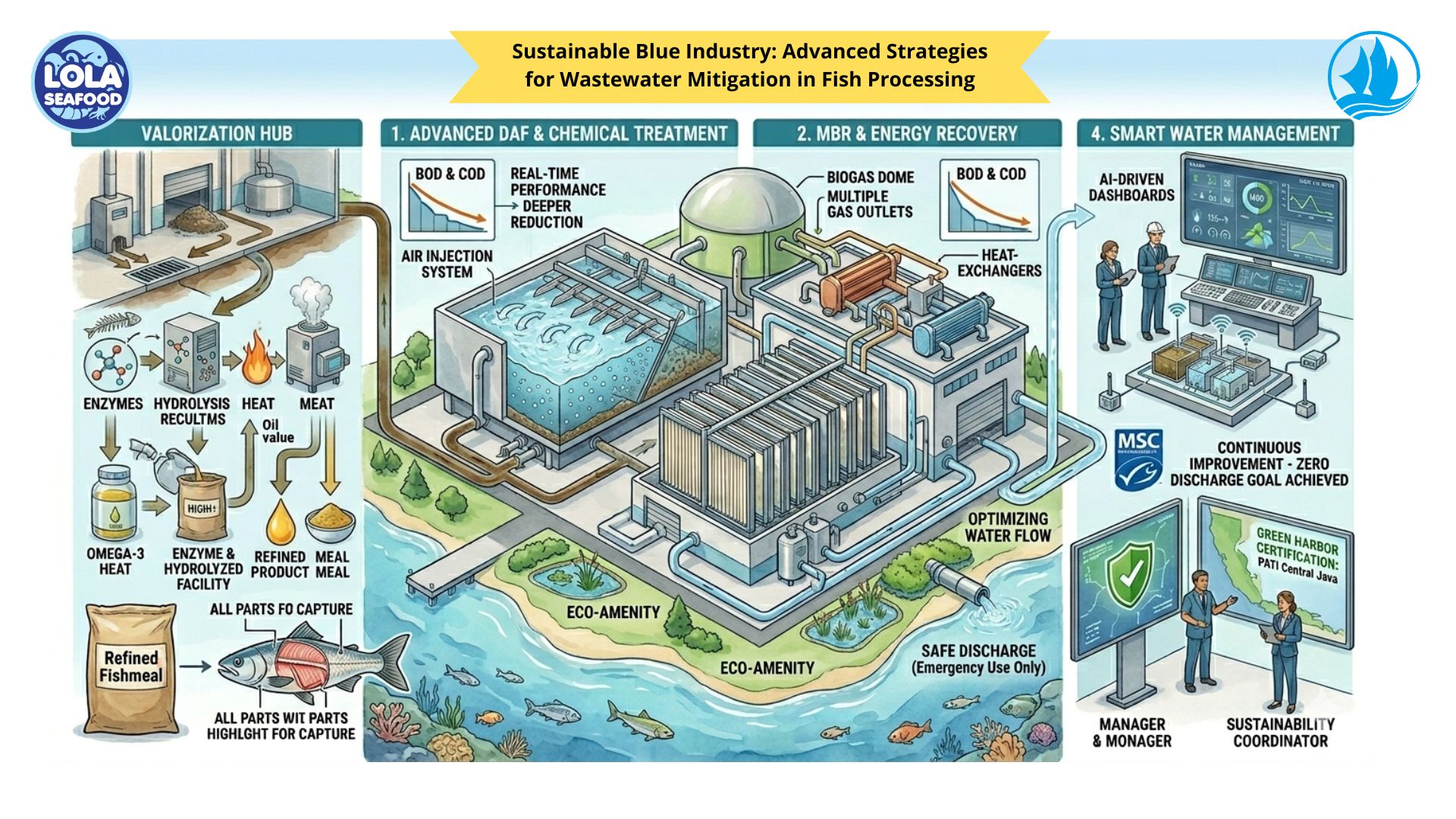
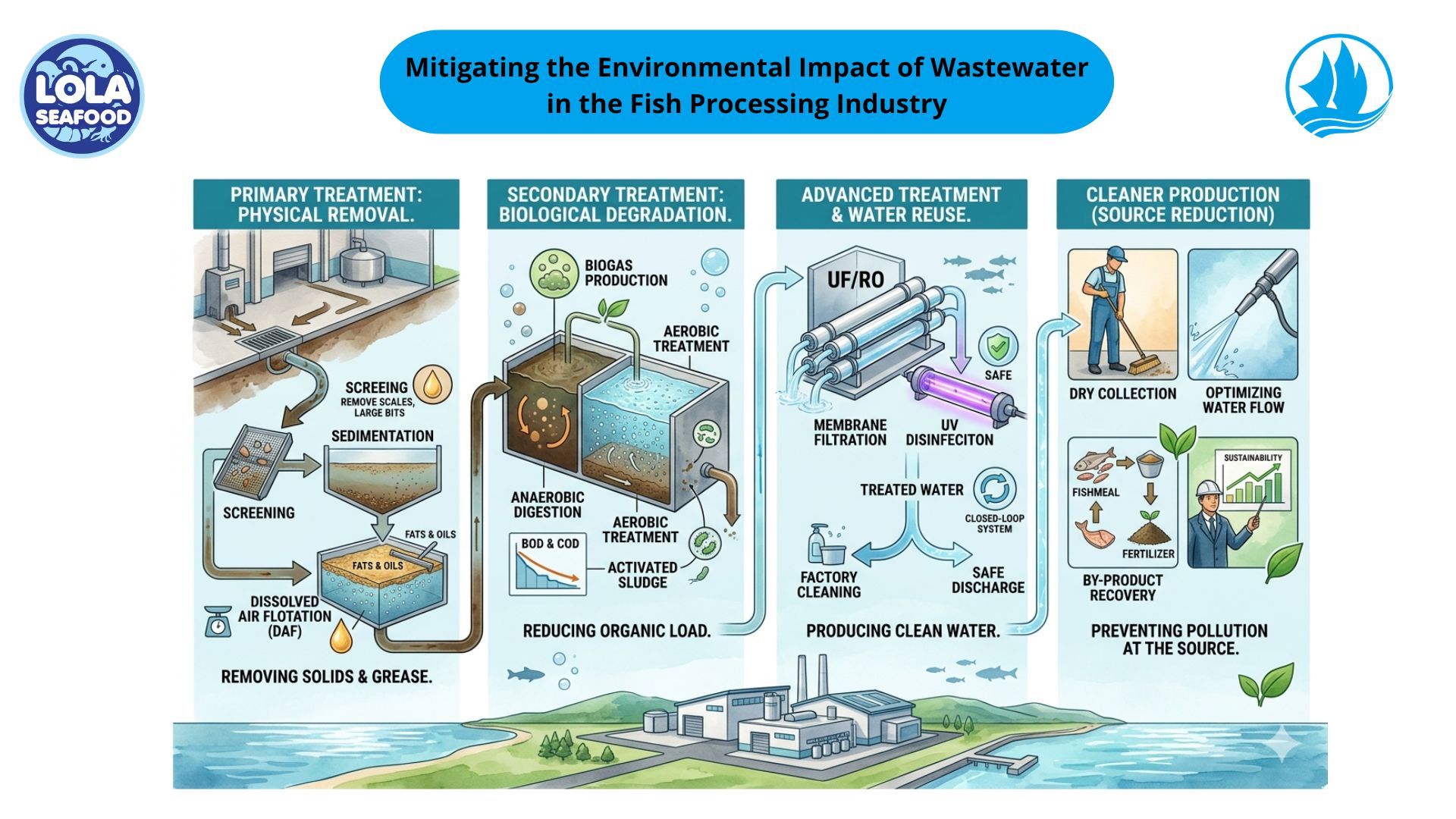
- Biotechnology and Waste Valorization: Modern processing techniques now allow for the extraction of high-value compounds from seafood by-products. Fish scales, skin, and bones are being transformed into medical-grade collagen and fertilizers, turning "waste" into a high-margin secondary asset.
- Traceability and Agri-Tech: There is a massive gap in the market for blockchain-based traceability and AI-driven monitoring systems. Investors in the tech space can find significant scale in providing the transparency that modern regulators and ESG-conscious consumers demand.
- Alternative Feeds: The push for sustainability has created a surge in the "feed-tech" sector, focusing on insect-based or algae-based feeds that reduce reliance on wild-caught fishmeal.
Comparative Advantage for Investors
|
Factor |
Land-Based Livestock |
Marine Nutrition / Seafood |
|
Water Usage |
Extremely High |
Minimal (in RAS/Offshore) |
|
Carbon Footprint |
Significant Methane Output |
Low to Carbon-Neutral Potential |
|
Nutrient Density |
Moderate |
Superior (Minerals & Omega-3) |
|
Market Growth |
Mature / Saturated |
Rapidly Expanding |
4. ESG and the "Impact" Alpha
For institutional investors, the "Social" and "Governance" components of ESG are intrinsically linked to the seafood sector. Sustainable aquaculture supports coastal communities and provides a stable, healthy food supply for developing nations. By funding sustainable seafood initiatives, investors are not just chasing returns; they are mitigating the global protein crisis and protecting ocean biodiversity—a narrative that is increasingly vital for modern portfolio construction.
5. Risk Mitigation through Innovation
Historically, the seafood industry was viewed as high-risk due to its reliance on wild stocks. However, the transition toward controlled environment aquaculture and precision fishing has fundamentally changed the risk profile. Today’s industry is data-driven. Investors are now backing "smart" farms that use satellite imagery and underwater sensors to optimize growth and prevent disease before it starts.
If youre interested in our Whiting Fish Whole Round,Barramundi Fillet Skin On,Catfish Fillet Skinless,Cobia Fillet Skinless,Coral Trout Fillet Skin On,Barramundi Whole Round / Whole Gilled Gutted Scaled,Corvina / Croaker / Jew Fish Whole Round / Whole Gilled Gutted Scaled,Black Pomfret Whole Round,Red / Scarlet Snapper Fillet Portion,Parrotfish Fillet Skinless,Baby Octopus Flower,Bonito Fillet Portion Cut,Catfish Fillet Skinless,Coral Trout Fillet Skinless,Corvina Fillet Skin Patch please do not hesitate to contact us through email and/or Whatsapp

.jpg)