The Vital Role of Environmental Hygiene in the Fish Processing Industry
By. Wiwik Rasmini - 12 Feb 2026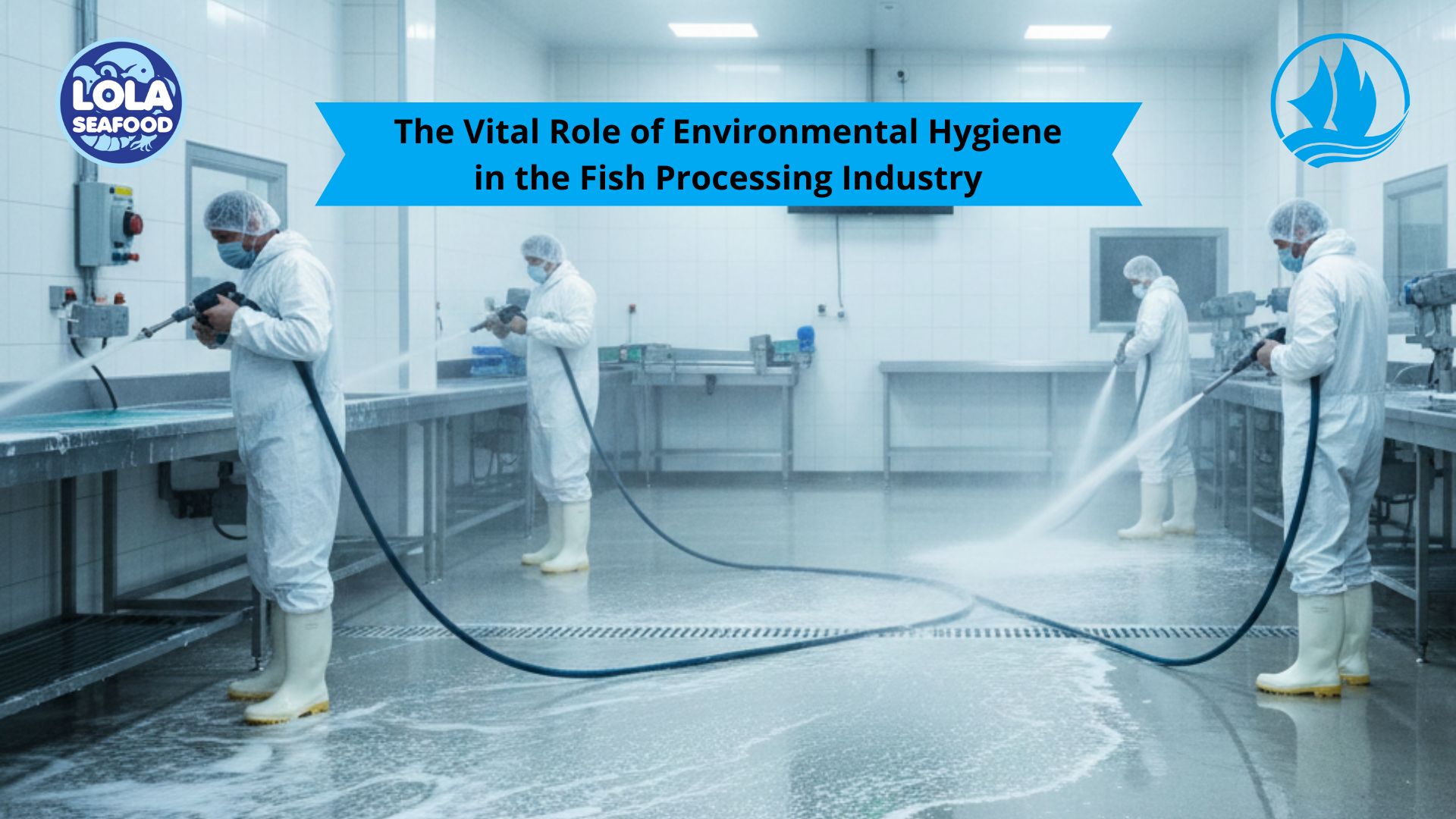
kelolalaut.com In the global food supply chain, the fish processing industry holds a position of immense responsibility. As a primary source of protein for billions, the safety and quality of seafood products are non-negotiable. However, unlike shelf-stable dry goods, raw fish is highly perishable and extremely susceptible to microbial contamination. This makes environmental hygiene not just a regulatory requirement, but the very backbone of a successful processing operation.
Maintaining a pristine factory environment is a multifaceted challenge that impacts food safety, operational efficiency, and brand reputation. Below, we explore why hygiene is the ultimate priority in fish processing.
1. Mitigating Microbial Risks and Foodborne Illness
The most immediate threat in a fish processing plant is the growth of pathogenic bacteria such as Listeria monocytogenes, Salmonella, and Vibrio. Fish tissues are moist and rich in nutrients, providing a "perfect storm" for bacterial colonization.
If floors, drainage systems, or processing tables are not rigorously cleaned, they become breeding grounds for biofilms. Biofilms are resilient layers of microorganisms that stick to surfaces and are notoriously difficult to remove. Once established, they can contaminate every batch of fish that passes through the line, leading to:
- Massive product recalls.
- Severe health risks for consumers.
- Legal liabilities that can bankrupt a company.
2. Extending Product Shelf Life
Hygiene has a direct correlation with the "freshness window" of the final product. Even if a pathogen doesn't cause illness, spoilage bacteria can cause off-odors, discoloration, and texture degradation.
By maintaining a sterile environment, processors can significantly reduce the initial microbial load on the fish. This results in a product that stays fresh longer on supermarket shelves and in consumer kitchens. In an industry where margins are thin and waste is costly, extending shelf life by even two or three days provides a massive competitive advantage.
3. Regulatory Compliance and International Standards
The fish industry is one of the most heavily regulated sectors in the world. To export products to major markets like the EU, USA, or Japan, processing plants must adhere to strict HACCP (Hazard Analysis and Critical Control Points) and SSOP (Sanitation Standard Operating Procedures) protocols.
Note: Regular audits by food safety authorities focus heavily on environmental swabs—testing floors, walls, and even the air quality within the facility.
Failure to maintain hygiene standards doesn't just result in a fine; it can lead to the revocation of export licenses, effectively shutting the factory out of the global market.
4. Operational Safety and Employee Well-being
A clean factory is a safe factory. In fish processing, the environment is often wet and cold, which naturally increases the risk of slips and falls. Proper hygiene management includes:
- Effective Drainage: Ensuring that water and organic waste (scales, guts, blood) are channeled away immediately to prevent floor hazards.
- Waste Management: Promptly removing fish offal prevents the buildup of ammonia and hydrogen sulfide gases, ensuring the air remains breathable and non-toxic for workers.
When employees work in a clean, well-organized environment, morale improves. It sends a message that the management values quality and safety, which in turn encourages workers to follow hygiene protocols more diligently.
5. Preventing Cross-Contamination
In many plants, "high-care" areas (where cooked or ready-to-eat fish is handled) must be strictly separated from "low-care" areas (where raw fish is received). Environmental hygiene acts as the barrier between these zones. Strict cleaning of footwear, tools, and equipment ensures that bacteria from a raw tuna carcass don't end up on a smoked salmon fillet ready for packaging.
Summary of Best Practices for Factory Hygiene
|
Area |
Action |
Frequency |
|
Processing Surfaces |
Scrubbing with food-grade detergents and sanitizers. |
Every shift change. |
|
Drainage Systems |
Clearing debris and applying anti-microbial foam. |
Daily. |
|
Cold Storage |
Deep cleaning to prevent mold and psychrotrophic bacteria. |
Monthly. |
|
Personnel |
Mandatory hand-washing and boot-dipping stations. |
Every entry/exit. |
If youre interested in our Whiting Fish Whole Round,Barramundi Fillet Skin On,Catfish Fillet Skinless,Cobia Fillet Skinless,Coral Trout Fillet Skin On,Barramundi Whole Round / Whole Gilled Gutted Scaled,Corvina / Croaker / Jew Fish Whole Round / Whole Gilled Gutted Scaled please do not hesitate to contact us through email and/or Whatsapp


 in Modern Fish Processing Industries.jpg)