The Art and Science of Payroll Reporting: A Comprehensive Guide
By. Monica - 15 May 2026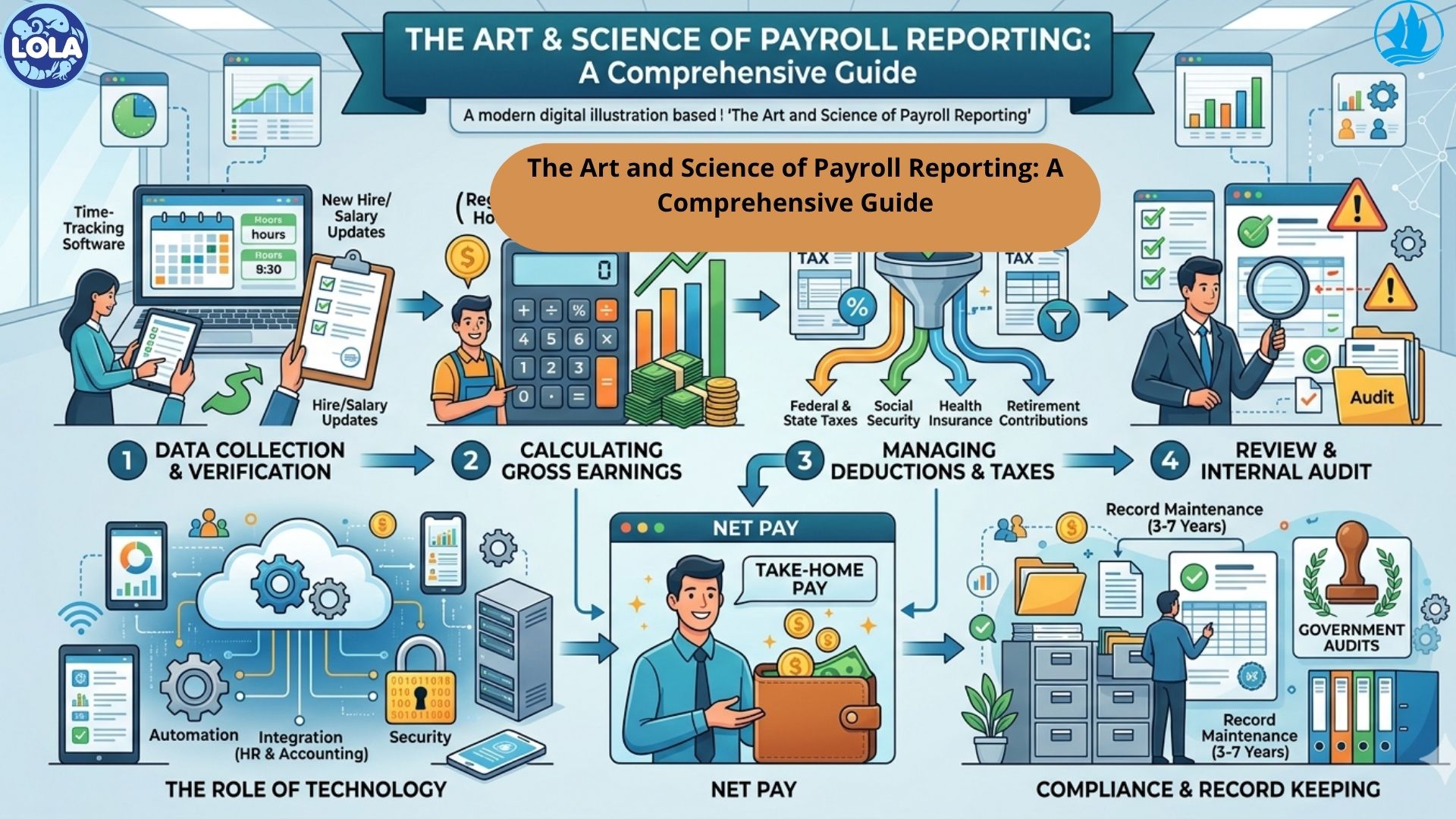
kelolalaut.com Payroll reporting is the heartbeat of any organization’s financial and human resources departments. It is a critical process that ensures employees are compensated accurately and on time, while also fulfilling the company’s legal and fiscal obligations to the government. A well-structured payroll report is more than just a list of numbers; it is a vital document for auditing, tax compliance, and strategic financial planning.
Understanding the Core Components
Before diving into the creation process, it is essential to understand what a comprehensive payroll report entails. At its most basic level, payroll reporting tracks the flow of funds from the company to its employees and various tax authorities. The primary components include:
- Gross Pay: This is the total amount earned by an employee before any deductions. It includes base salaries, hourly wages, overtime pay, bonuses, and commissions.
- Deductions: These are the amounts taken out of the gross pay. They are typically divided into mandatory deductions (such as federal and state income taxes, social security, and health insurance) and voluntary deductions (such as retirement contributions or union dues).
- Net Pay: Often referred to as "take-home pay," this is the final amount the employee receives after all deductions have been subtracted.
- Employer Contributions: Reports must also capture the costs paid by the employer above the employee’s salary, such as payroll taxes and matching retirement contributions.
The Step-by-Step Process of Creating a Payroll Report
Creating an accurate payroll report requires a systematic approach to ensure no detail is overlooked. Mistakes in payroll can lead to legal penalties, financial losses, and a significant drop in employee morale.
1. Data Collection and Verification
The foundation of any report is data. You must gather updated information regarding employee hours worked, usually sourced from time-tracking software or manual logs. This stage also involves verifying any changes in employee status, such as new hires, terminations, or changes in salary and tax withholdings.
2. Calculating Gross Earnings
Once the hours and rates are confirmed, the next step is calculating the gross pay. For salaried employees, this is usually a fixed amount per pay period. For hourly workers, the formula is:
$$\text{Gross Pay} = (\text{Regular Hours} \times \text{Hourly Rate}) + (\text{Overtime Hours} \times \text{Overtime Rate})$$
It is crucial to ensure that overtime rates comply with local labor laws to avoid wage disputes.
3. Managing Deductions and Taxes
This is often the most complex part of the process. Calculations must account for various tax brackets and insurance premiums. The general formula for determining what an employee actually receives can be expressed as:
$$\text{Net Pay} = \text{Gross Pay} - (\text{Taxes} + \text{Benefits} + \text{Other Deductions})$$
Accuracy here is non-negotiable. Using automated payroll systems can significantly reduce the risk of mathematical errors during this stage.
4. Review and Internal Audit
Before finalizing the report, an internal audit should be conducted. This involves comparing the current payroll run against previous months to identify any unexplained variances. If a department's payroll has suddenly spiked, it may indicate an error in data entry or an unauthorized bonus.
The Role of Technology in Payroll Reporting
In the modern business landscape, manual ledger books have been replaced by sophisticated software solutions. Cloud-based payroll systems offer several advantages:
- Automation: They automatically update tax tables and calculate deductions based on the latest legislation.
- Integration: Payroll software can often "talk" to accounting and HR systems, ensuring that financial records are updated in real-time.
- Security: Digital reports are easier to encrypt and back up, protecting sensitive employee data from unauthorized access.
Compliance and Record Keeping
A payroll report is a legal record. Most jurisdictions require businesses to maintain payroll records for several years (often between three to seven years, depending on the region). These records are essential during government audits. A standard report should be clear enough that an outside auditor can trace the path of a single dollar from the company’s bank account to the employee’s pocket.
Conclusion
Creating an effective payroll report is a balance of meticulous data management and an understanding of legal requirements. It serves as a bridge between the company’s financial goals and the well-being of its workforce. By maintaining high standards of accuracy and transparency in payroll reporting, a business not only avoids the pitfalls of non-compliance but also builds a culture of trust and reliability that is essential for long-term success. Whether managed through advanced software or careful manual oversight, the payroll report remains a cornerstone of professional organizational management.
If youre interested in our Whiting Fish Whole Round,Barramundi Fillet Skin On,Catfish Fillet Skinless,Cobia Fillet Skinless,Coral Trout Fillet Skin On,Barramundi Whole Round / Whole Gilled Gutted Scaled,Corvina / Croaker / Jew Fish Whole Round / Whole Gilled Gutted Scaled,Black Pomfret Whole Round,Red / Scarlet Snapper Fillet Portion,Parrotfish Fillet Skinless,Baby Octopus Flower,Bonito Fillet Portion Cut,Catfish Fillet Skinless,Coral Trout Fillet Skinless,Baby Octopus Flower Baby Octopus Whole Cleaned Baby Octopus Whole Round Barramundi Fillet Portion Cut Barramundi Fillet Portion Cut Black Pomfret Portion Cut please do not hesitate to contact us through email and/or Whatsappp