Quality, Safety, and Sustainability: The Triple Pillars of Modern Seafood
By. Puji Widyastuti - 13 Jan 2026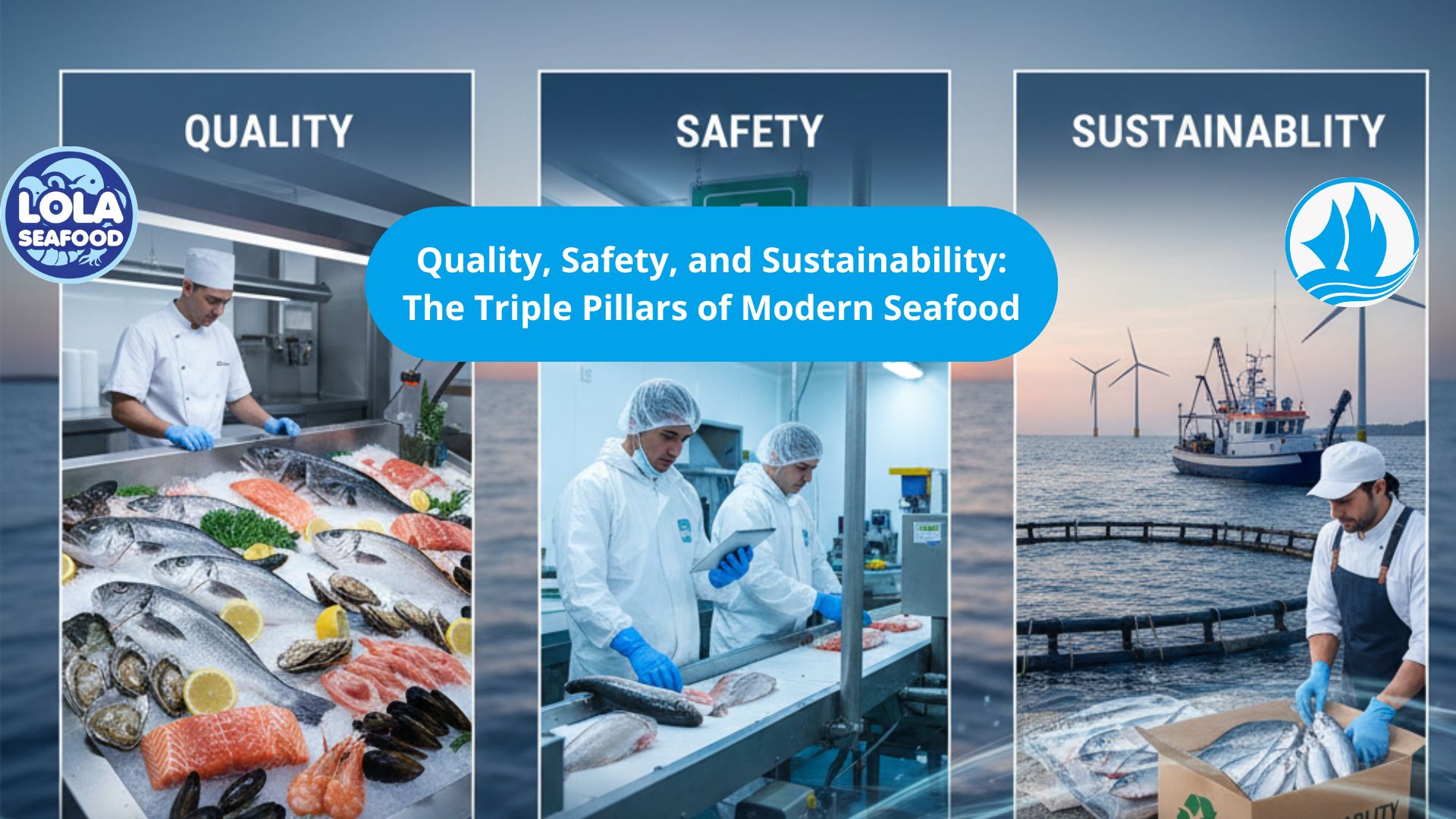
kelolalaut.com The global seafood industry stands at a critical crossroads. As the world’s population climbs toward 10 billion, the demand for marine protein has never been higher. However, this demand brings a profound responsibility. To ensure that the oceans continue to provide for future generations, the industry must move beyond simple extraction and embrace a rigorous framework built on three non-negotiable pillars: Quality, Safety, and Sustainability.
1. Uncompromising Quality: From Ocean to Plate
Quality in seafood is often defined by freshness, but it encompasses far more than the time elapsed since the catch. It begins with the integrity of the supply chain. High-quality seafood is the result of meticulous handling, precise temperature control, and transparency.
- Sensory Excellence: Premium seafood is characterized by its texture, color, and aroma. Whether it is the firm, translucent flesh of a Sashimi-grade tuna or the sweet, briny scent of live oysters, quality is a sensory promise to the consumer.
- Cold Chain Management: The "Cold Chain" is the backbone of seafood quality. Advanced freezing technologies, such as Super-Freezing at $-60°C$, lock in nutrients and cellular structure, ensuring that "frozen at sea" products often surpass "fresh" shore-bought fish in nutritional value and taste.
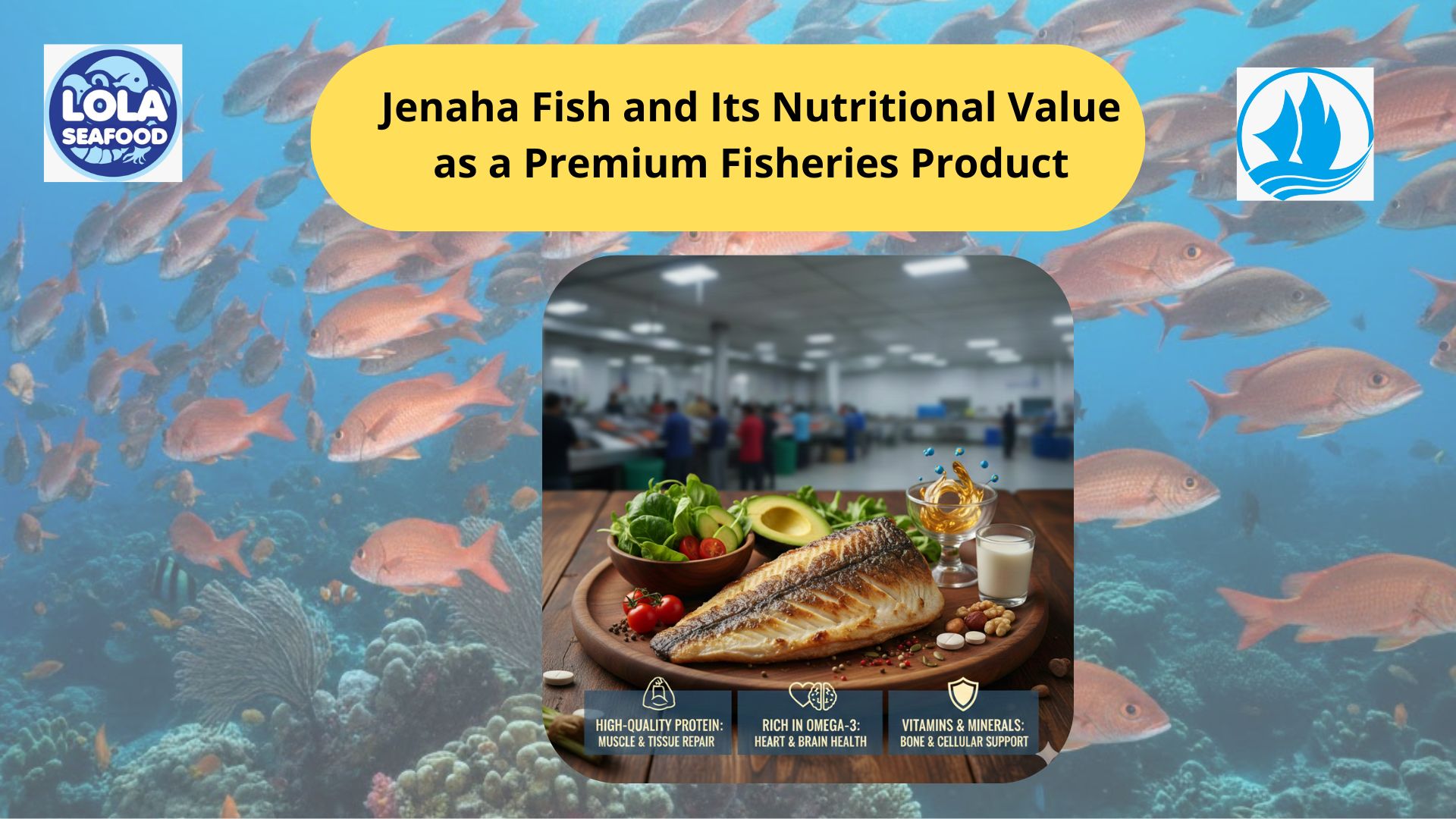
- Nutritional Density: Seafood is a primary source of Omega-3 fatty acids, iodine, and Vitamin D. Maintaining quality means preserving these essential micronutrients through minimal processing and clean labels.
2. Safety: The Foundation of Consumer Trust
While quality is about the experience, safety is about public health. Because seafood is highly perishable and susceptible to environmental contaminants, safety protocols must be clinical and exhaustive.
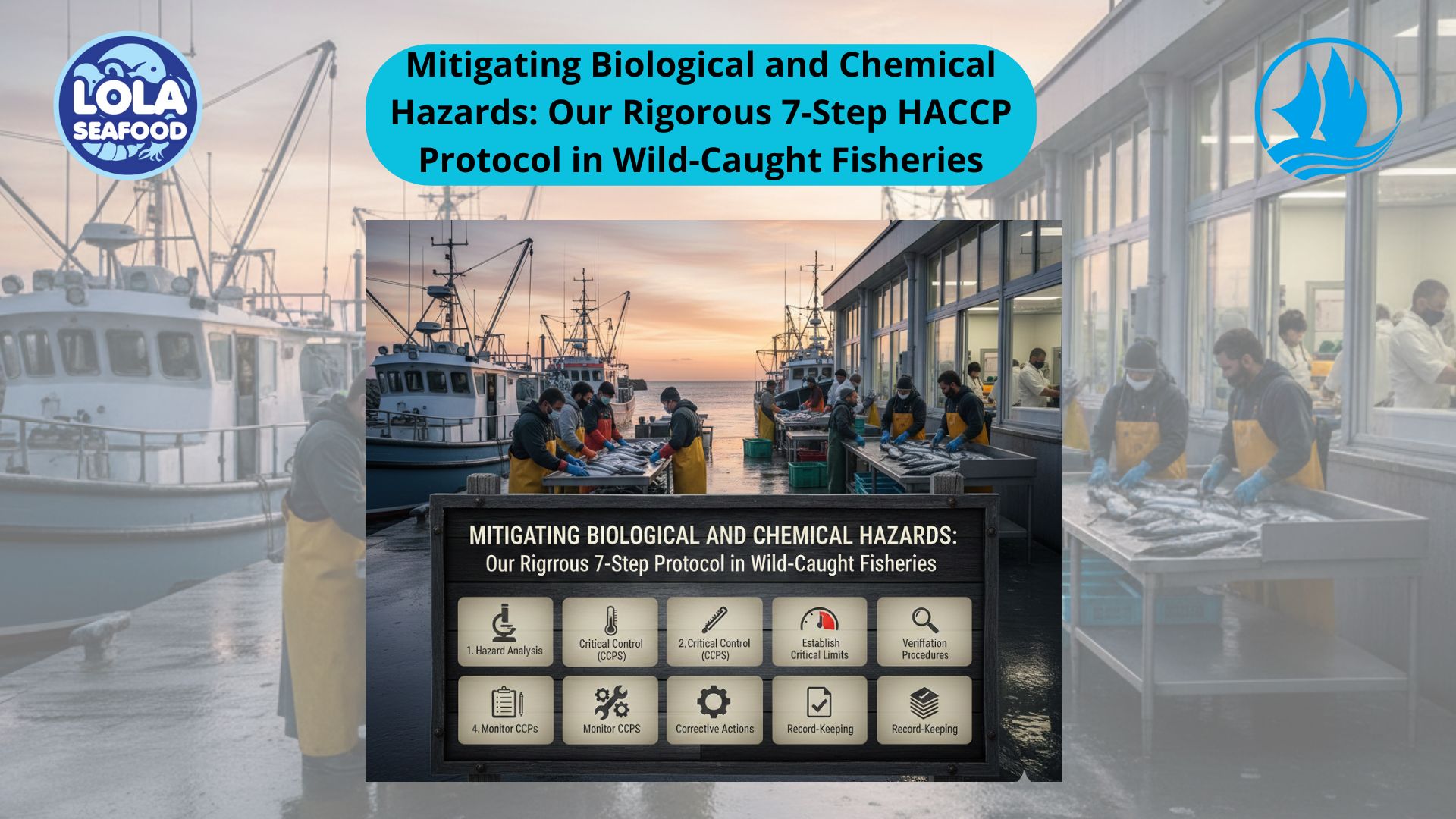
- Rigorous Testing: Modern seafood safety relies on testing for heavy metals (like mercury and lead), microplastics, and biotoxins. Leading producers employ Hazard Analysis Critical Control Point (HACCP) systems to identify and mitigate risks at every stage of production.
- Pathogen Control: In both wild-caught and aquaculture sectors, preventing the growth of bacteria such as Salmonella or Listeria is paramount. This is achieved through rapid chilling and stringent hygiene standards in processing facilities.
- Traceability: Digital footprints now allow consumers to track a fillet back to the specific vessel or farm it originated from. Blockchain technology is increasingly used to prevent "fish fraud"—the mislabeling of lower-value species as premium products—ensuring that what is on the label is exactly what is on the plate.
3. Sustainability: Protecting the Blue Frontier
Sustainability is no longer a "niche" preference; it is a biological and economic necessity. Without healthy ecosystems, the seafood industry ceases to exist. A sustainable approach focuses on the long-term viability of fish stocks and the health of the marine environment.
- Science-Based Quotas: Sustainable fishing relies on data-driven limits. By adhering to Total Allowable Catch (TAC) limits set by marine biologists, the industry ensures that fish populations can replenish themselves faster than they are harvested.
- Eco-Friendly Gear: Innovation in fishing gear is reducing bycatch—the accidental capture of non-target species like dolphins, turtles, or juvenile fish. Selective nets and "smart" hooks are transforming how we interact with the ocean floor.
- The Rise of Responsible Aquaculture: With over half of the world’s seafood now coming from farms, sustainable aquaculture is vital. This includes reducing the use of antibiotics, managing waste runoff, and using sustainable feed alternatives like algae or insect protein instead of wild-caught feeder fish.
The Intersection: A Holistic Approach
These three pillars do not exist in isolation; they are deeply interconnected. A fish caught sustainably in clean waters is inherently safer to eat and of higher biological quality. Conversely, a breakdown in safety protocols—such as poor temperature control—destroys the quality of even the most sustainably harvested lobster.
The modern consumer is "blue-conscious." They are looking for certifications like the Marine Stewardship Council (MSC) for wild-caught fish or the Aquaculture Stewardship Council (ASC) for farmed products. These labels serve as a shorthand for a complex web of ethics and science that ensures the meal is good for the body and the planet.

.jpg)