The Culinary Alchemy of Manyung Fish: From Ocean to Table
By. Lutfi - 02 Feb 2026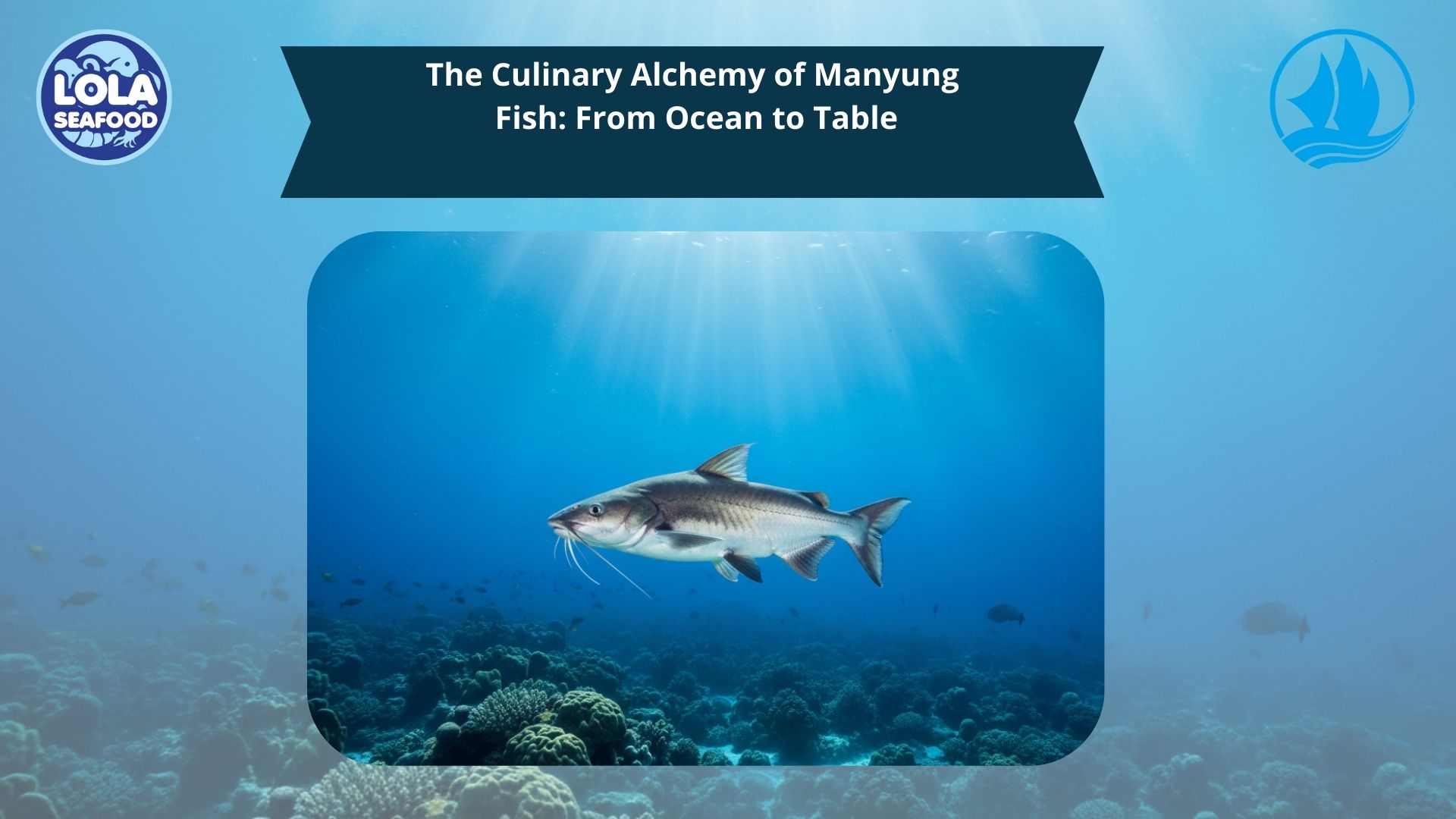
The Culinary Alchemy of Manyung Fish: From Ocean to Table
The Giant Catfish, known locally in Indonesia as Manyung fish (Netuma thalassina), occupies a legendary status in Southeast Asian maritime cuisine. While many fish are prized for their delicate fillets, the Manyung is celebrated for its versatility, its distinctively firm texture, and the traditional preservation methods that transform it from a humble catch into a high-value delicacy.
Processing Manyung is not merely a culinary task; it is a blend of traditional wisdom and modern food science that ensures every part of the fish—from the head to the swim bladder—is utilized to its full potential.
Understanding the Raw Material
Before diving into the processing methods, it is essential to understand why Manyung is so sought after. Found primarily in the warm coastal waters of the Java Sea, Manyung is a large marine catfish. Unlike its freshwater cousins, the Manyung has a savory, slightly oily flesh that holds its shape remarkably well during long cooking processes.
In its raw state, the fish is prized for being a "zero-waste" commodity. The meat is used for fillets, the bones for stock, the head for the iconic Gulai Kepala Manyung, and the swim bladder is often dried and sold as a luxury item (often referred to as "fish maw").
The Art of Smoking: Iwak Panggang
The most famous way to process Manyung is through hot smoking, resulting in what Central Javanese locals call Iwak Panggang or Mangut. This process serves two purposes: extending the shelf life of the fish and imparting a deep, woody aroma that defines the flavor profile of the region.
- Preparation: The fish is cleaned, gutted, and sliced into thick chunks or steaks.
- Brining: The pieces are briefly soaked in a salt solution. This firms up the proteins and acts as a preliminary preservative.
- The Smoking Process: The fish is placed on bamboo racks over a smoldering fire. Traditional processors use coconut shells or corn cobs instead of wood, as these materials produce a thick, sweet smoke that gives the Manyung its signature golden-brown hue and prevents it from becoming overly bitter.
- Result: The final product is a firm, smoky, and intensely savory piece of fish that can be stored for several days without refrigeration, making it a staple in traditional markets.
Salt-Curing and Sun-Drying: Jambal Roti
Another pinnacle of Manyung processing is the creation of Jambal Roti. This is a premium version of salted fish that undergoes a fermentation-like process, resulting in a texture so tender it "melts like bread" (hence the name Roti).
The process is meticulous:
- Fermentation: The whole fish is salted heavily and allowed to rest for 24 to 48 hours. During this time, natural enzymes break down the muscle fibers, creating a complex, umami-rich flavor profile.
- Desalination and Drying: After the initial salt cure, the fish is washed and then dried under the intense tropical sun.
- Quality Control: A well-processed Jambal Roti is not just "salty"; it has a deep, buttery aroma and a crumbly texture when fried. It is often considered the "parmesan cheese" of the sea in Indonesian cuisine.
The Iconic Culinary Application: Mangut Manyung
Processing doesn't end at preservation. The real magic happens in the kitchen. The smoked Manyung pieces are typically cooked into Mangut, a spicy coconut milk curry.
The smoky oils from the fish seep into the coconut gravy, balanced by a powerhouse of aromatics: galangal, turmeric, ginger, and a generous amount of bird's eye chilies. The firm texture of the processed Manyung ensures that the fish doesn't disintegrate, allowing it to absorb the spicy broth while maintaining a satisfying bite.
Modern Innovations and Economy
Today, Manyung processing has evolved beyond backyard industries. Export-grade Manyung is now processed in facilities that follow strict HACCP (Hazard Analysis and Critical Control Points) standards. Vacuum packaging has allowed smoked Manyung and Jambal Roti to reach international markets, bringing a taste of the Java Sea to the global diaspora.
Furthermore, the swim bladder of the Manyung has become a lucrative export. Once cleaned and dried, it is used in Chinese medicine and high-end soups, often fetching prices significantly higher than the meat itself.
 The Deep-Sea Treasure of High-Quality Protein.jpg)