The Blue Gold Mine: Why the Fish Business is a Premier Investment Opportunity
By. Lutfi - 11 Feb 2026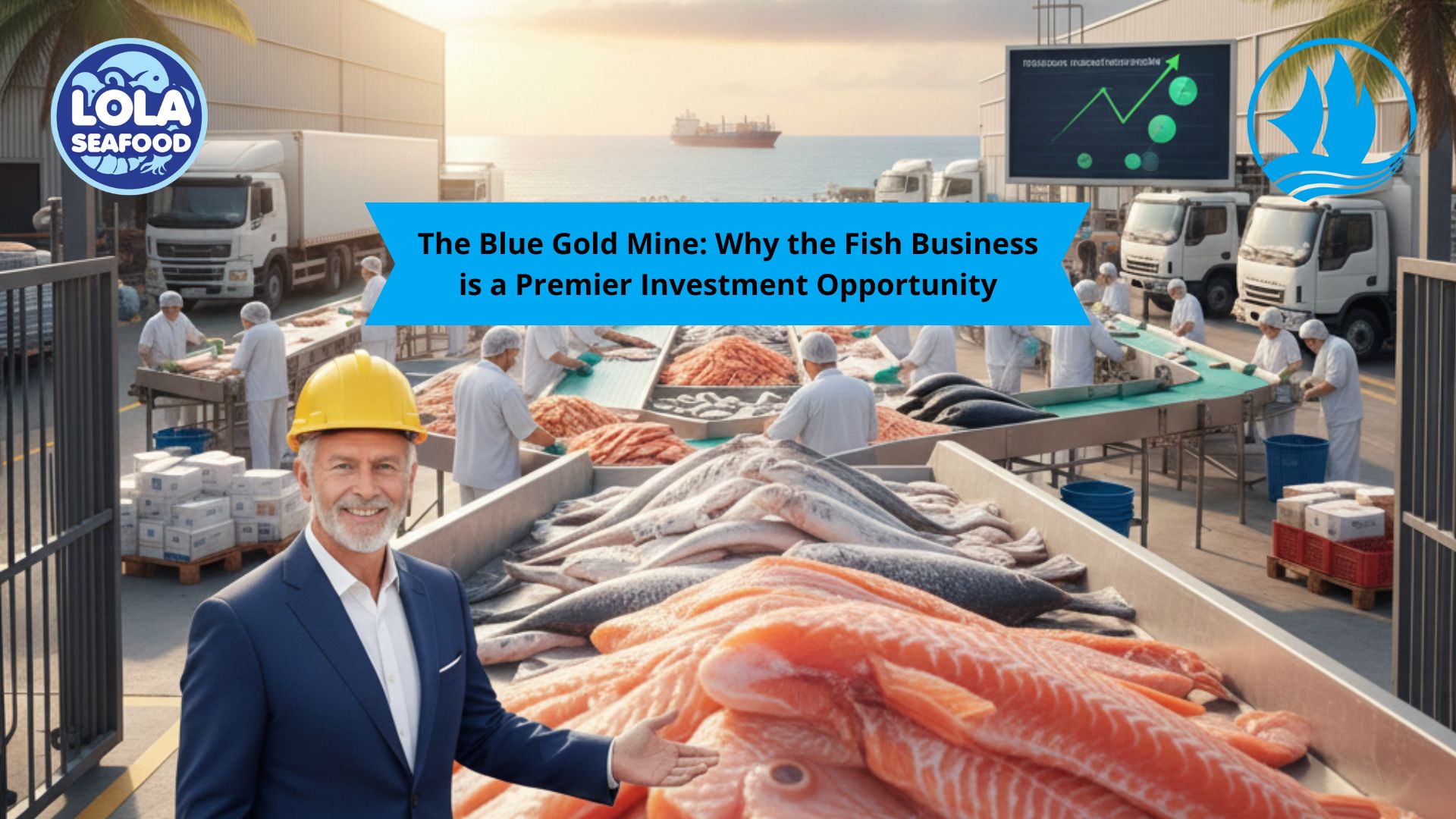
kelolalaut.com In the landscape of global commerce, few industries offer the same blend of ancient tradition and cutting-edge profitability as the fish business. Often referred to as "Blue Gold," the seafood sector—encompassing aquaculture, wild-capture fisheries, and processing—has evolved into a powerhouse of the global economy. As health consciousness rises and technological advancements streamline production, starting a fish-related enterprise is no longer just for coastal communities; it is a sophisticated, high-growth opportunity for modern entrepreneurs.
Here is an in-depth look at why the fish business is currently one of the most lucrative ventures to dive into.
1. Surging Global Demand for Lean Protein
The most compelling argument for the fish business is the sheer scale of the market. As the global population marches toward 9 billion, the demand for sustainable protein is skyrocketing. Unlike red meat, which has faced scrutiny for its environmental impact and health risks, fish is universally regarded as a "superfood."
Rich in Omega-3 fatty acids, high-quality protein, and essential vitamins like D and B2, fish is the preferred choice for the health-conscious consumer. This shift in dietary habits ensures a consistent, year-round demand that remains relatively "recession-proof." People might skip a luxury car purchase during a downturn, but they rarely compromise on healthy food for their families.
2. The Rise of Aquaculture: "The Blue Revolution"
Historically, the fish business was limited by what could be caught in the wild. Today, the "Blue Revolution"—the rapid growth of aquaculture (fish farming)—has changed the game.
- Controlled Environment: Farming allows business owners to control the growth rate, diet, and health of the fish.
- Scalability: You don't need an ocean to start. With Recirculating Aquaculture Systems (RAS), entrepreneurs can raise thousands of fish in inland tanks using minimal water.
- Predictability: Unlike wild fishing, which is subject to weather and seasonal migration, aquaculture provides a predictable harvest schedule, making financial planning much simpler.
3. Diverse Revenue Streams
The fish business is not a monolith; it offers a variety of niches suited to different capital levels and interests:
|
Business Model |
Primary Advantage |
|
Fish Farming |
High control over production and margins. |
|
Processing & Packaging |
High value-add; creates "ready-to-eat" products. |
|
Export/Import |
Connects local farmers to high-paying international markets. |
|
Ornamental Fish |
A high-margin hobbyist market (aquariums). |
|
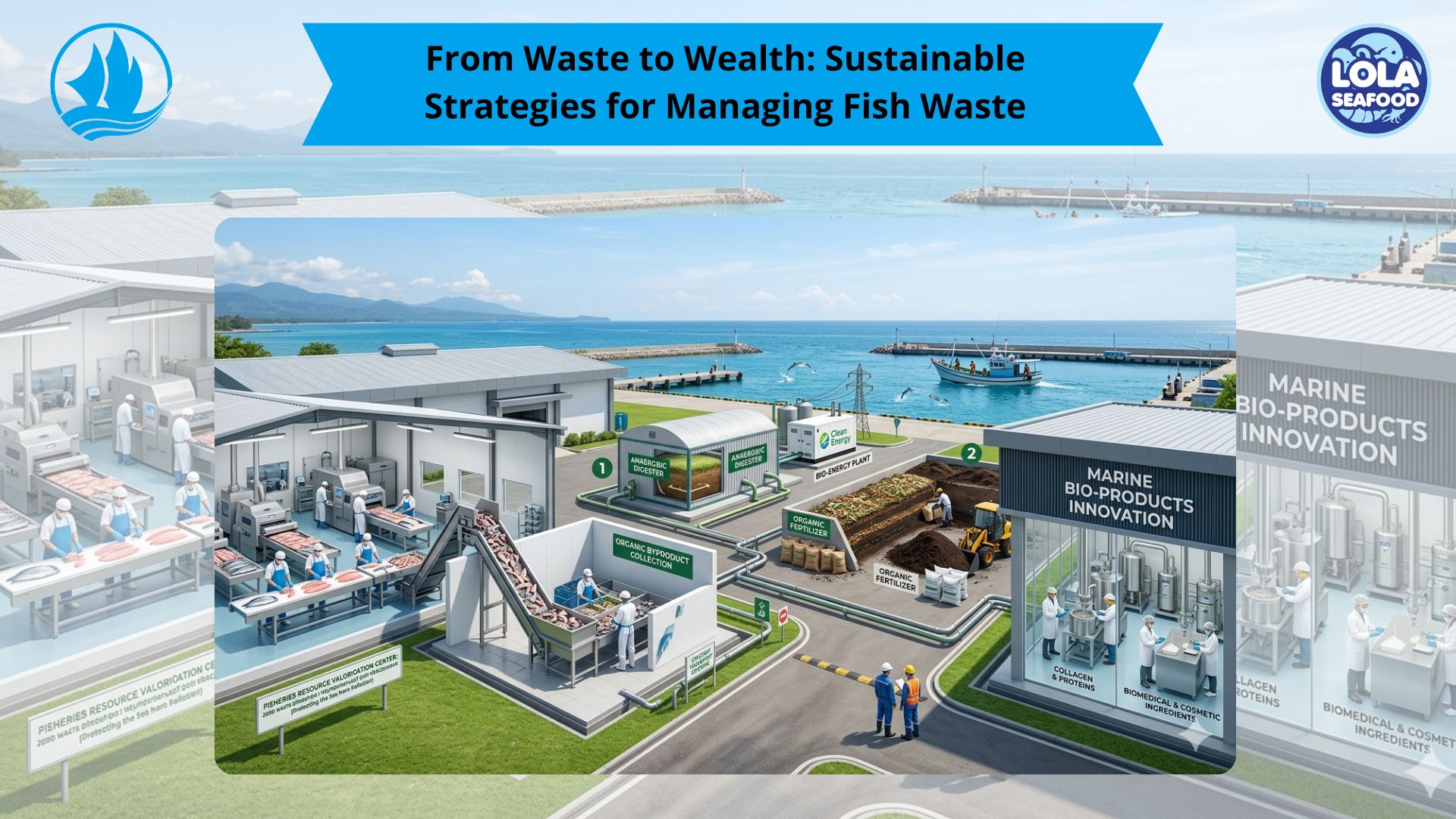
By-product Utilization |
Turning fish scales and bones into collagen or fertilizer. |
From an operational efficiency standpoint, fish are biological marvels. In the livestock industry, the Feed Conversion Ratio (FCR) measures how much food is needed to produce one kilogram of meat.
Because fish are cold-blooded and live in a buoyant environment, they don't expend energy fighting gravity or maintaining body heat. Consequently, many fish species have an FCR of nearly 1:1 (one kg of feed produces one kg of weight gain). In comparison, cattle often require a 6:1 or 7:1 ratio. This efficiency translates directly into lower overhead costs and higher profit margins for the business owner.
5. Government Support and Sustainability Incentives
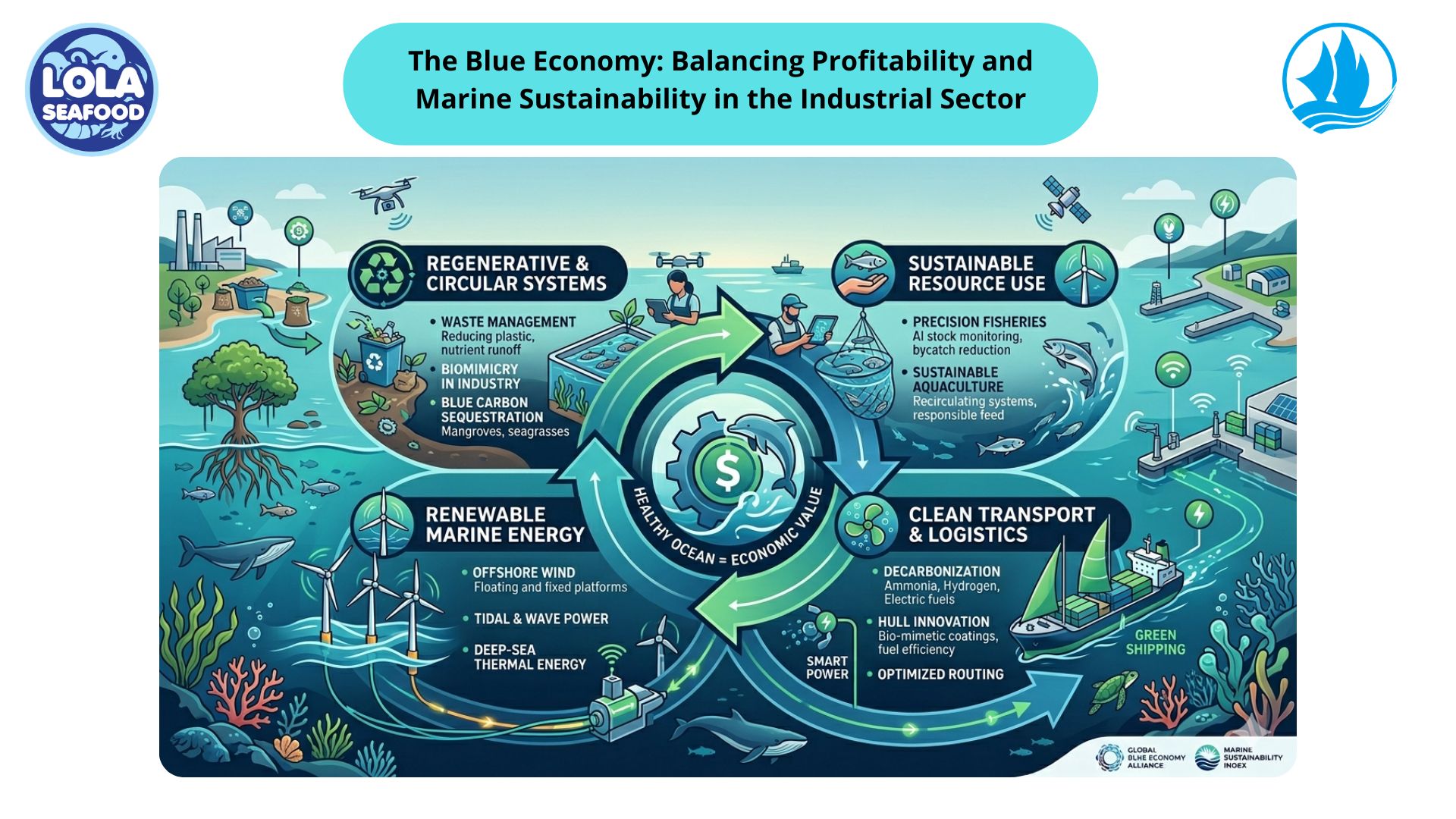
As wild fish stocks face pressure, governments worldwide are pouring subsidies and grants into sustainable fish farming. There is a global push to achieve "Food Sovereignty," and many nations offer tax breaks, low-interest loans, and technical training for new fisheries. Aligning your business with sustainability goals—such as using organic feed or renewable energy to power tanks—can also open doors to "green" investors and premium pricing in Western markets.
6. Rapid Growth Cycles
Time is money. While a cattle rancher might wait two to three years for a return on investment, many popular commercial fish species have incredibly fast growth cycles. For example:
- Tilapia: Can reach market size in 6 to 9 months.
- Catfish: Often ready for sale within 4 to 6 months.
- Shrimp: Can yield multiple harvests per year.
This rapid turnover allows entrepreneurs to reinvest their profits quickly, accelerating the growth of the business in a way that traditional agriculture rarely permits.
The Bottom Line
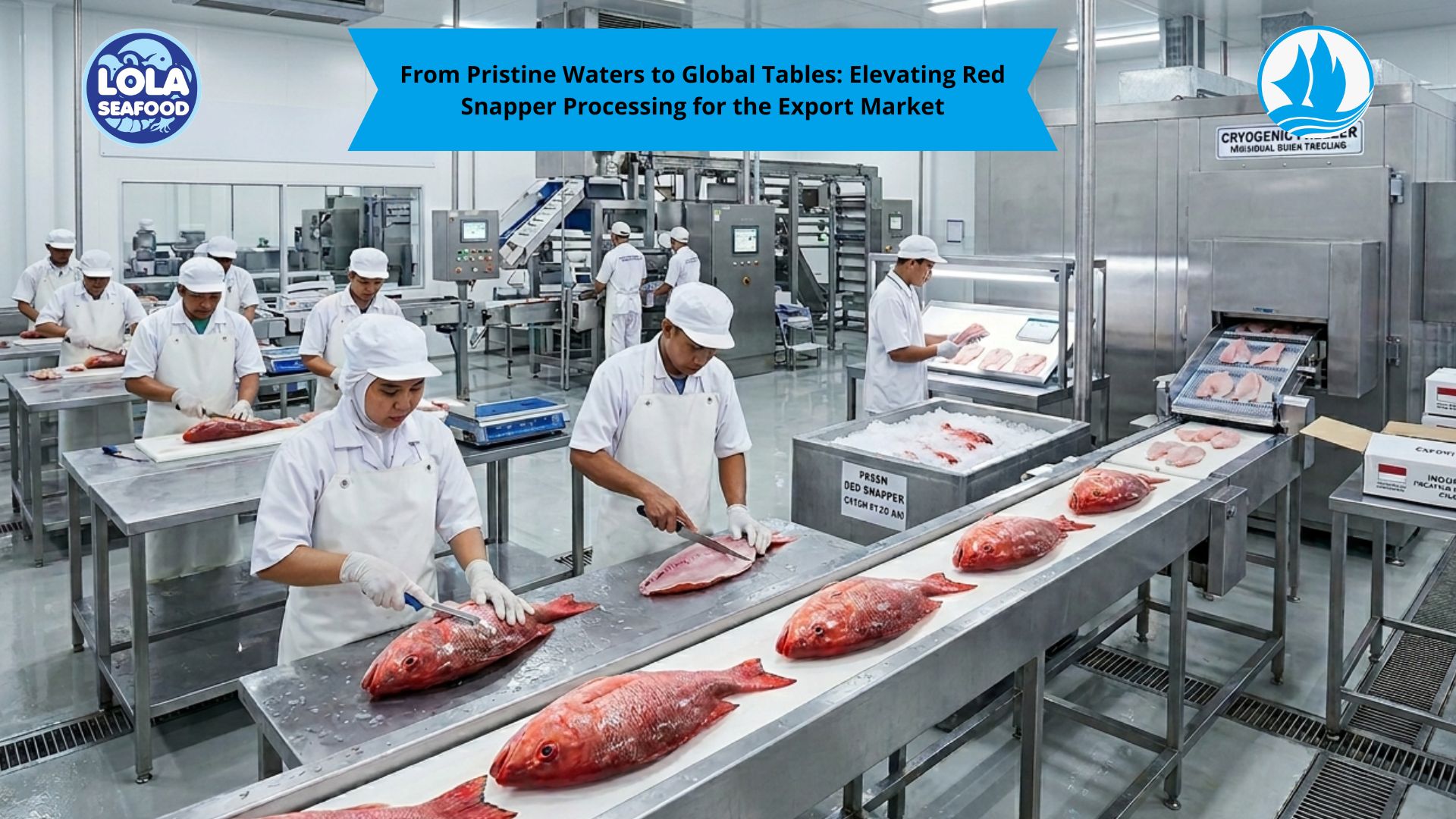
The fish business is a rare intersection of tradition, health, and high-tech efficiency. Whether you are looking at a small-scale catfish pond or a large-scale frozen fillet export operation, the fundamentals remain strong: low conversion costs, massive global demand, and a variety of entry points.
While it requires diligence in water quality management and supply chain logistics, the rewards are significant. In an era where food security is a top priority, the person who masters the water will likely master the market.
If youre interested in our Whiting Fish Whole Round,Barramundi Fillet Skin On,Catfish Fillet Skinless,Cobia Fillet Skinless,Coral Trout Fillet Skin On,Barramundi Whole Round / Whole Gilled Gutted Scaled,Corvina / Croaker / Jew Fish Whole Round / Whole Gilled Gutted Scaled please do not hesitate to contact us through email and/or Whatsapp
.jpg)