Ensuring Purity: Eliminating Bacteria and Heavy Metals in the Fish Processing Industry
By. Puji Widyastuti - 18 Feb 2026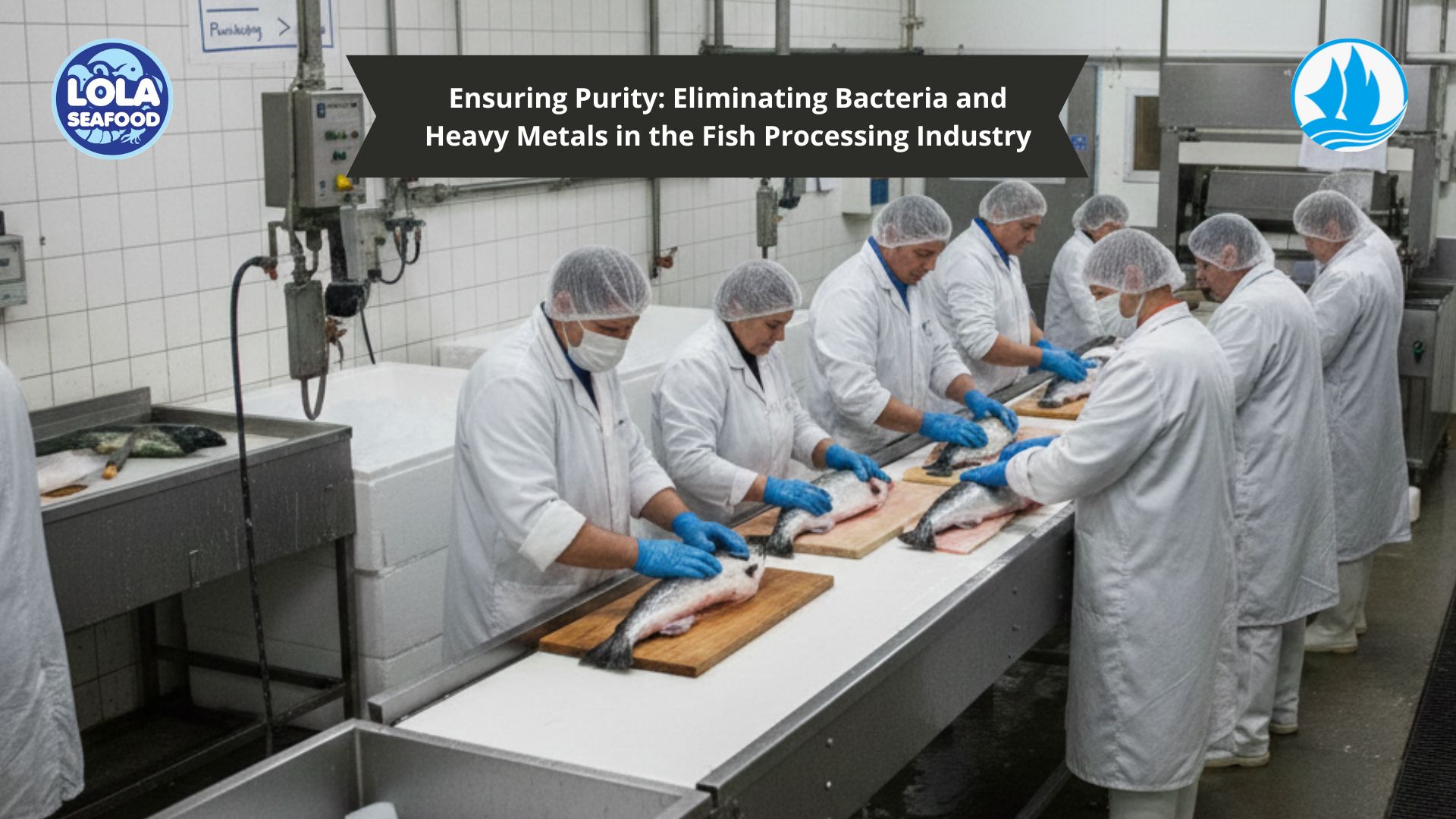
kelolalaut.com The global appetite for seafood has never been higher, but with great demand comes a heavy responsibility. In the fish processing industry, the distance between a "healthy meal" and a "health hazard" is measured by the efficacy of safety protocols. To maintain consumer trust and meet international export standards, processors must tackle two invisible but formidable enemies: microbial pathogens and heavy metal contamination.
The Biological Battle: Combating Bacteria
In the world of seafood, freshness is a race against time and biology. Fish are highly perishable; their high water content and neutral pH make them a luxury resort for bacteria like Salmonella, Listeria monocytogenes, and Vibrio.
1. Cold Chain Integrity
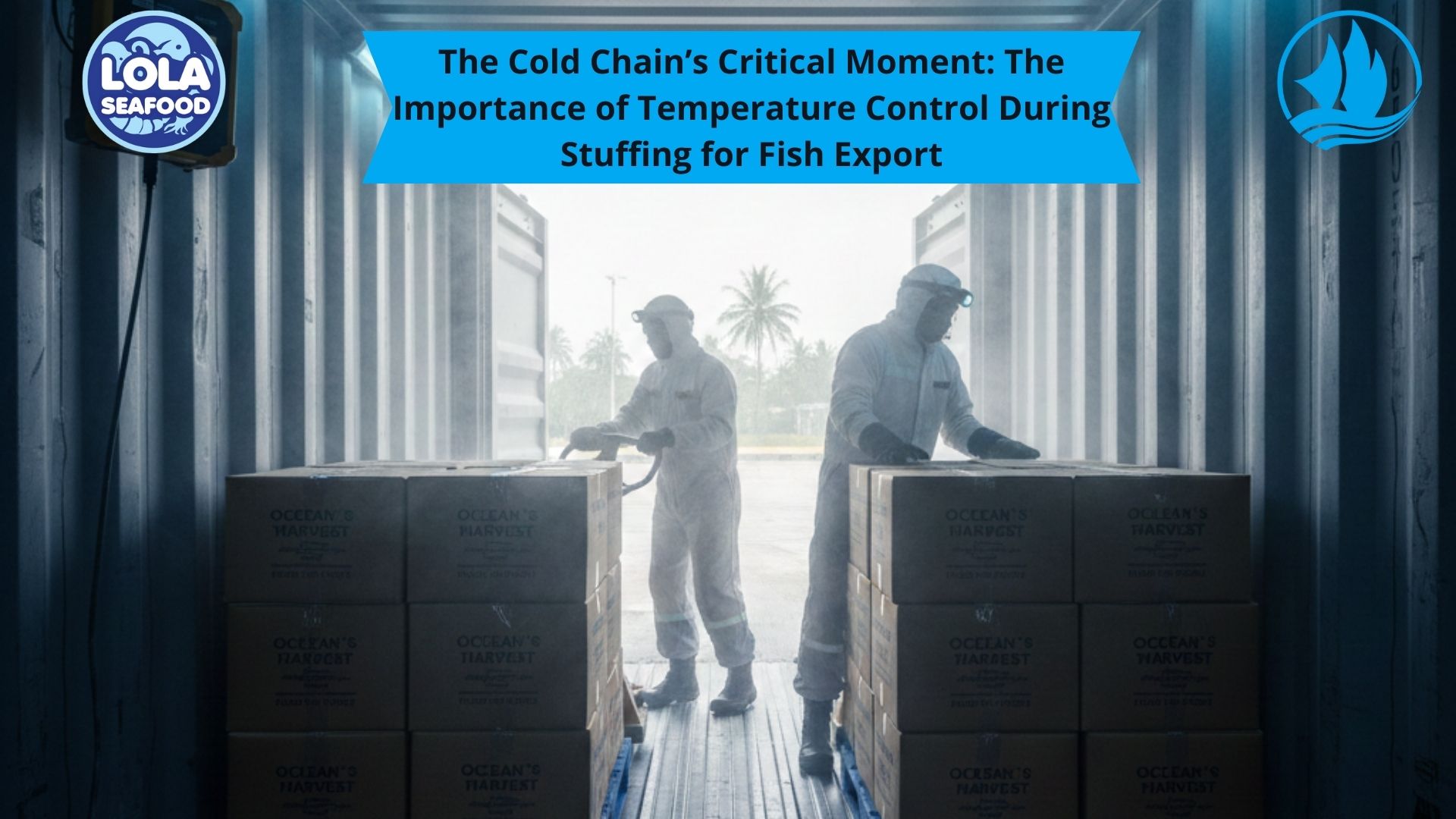
The most effective weapon against bacterial growth is temperature control. The "Danger Zone"—typically between 4°C and 60°C—is where bacteria multiply exponentially.
- Rapid Chilling: Immediately after harvest, fish must be brought down to temperatures near 0°C using slurry ice or refrigerated seawater (RSW).
- Continuous Monitoring: Modern processing plants utilize IoT-enabled sensors to monitor the temperature of cold storage units in real-time, triggering alarms if the threshold is breached.
2. Sanitation Standard Operating Procedures (SSOPs)
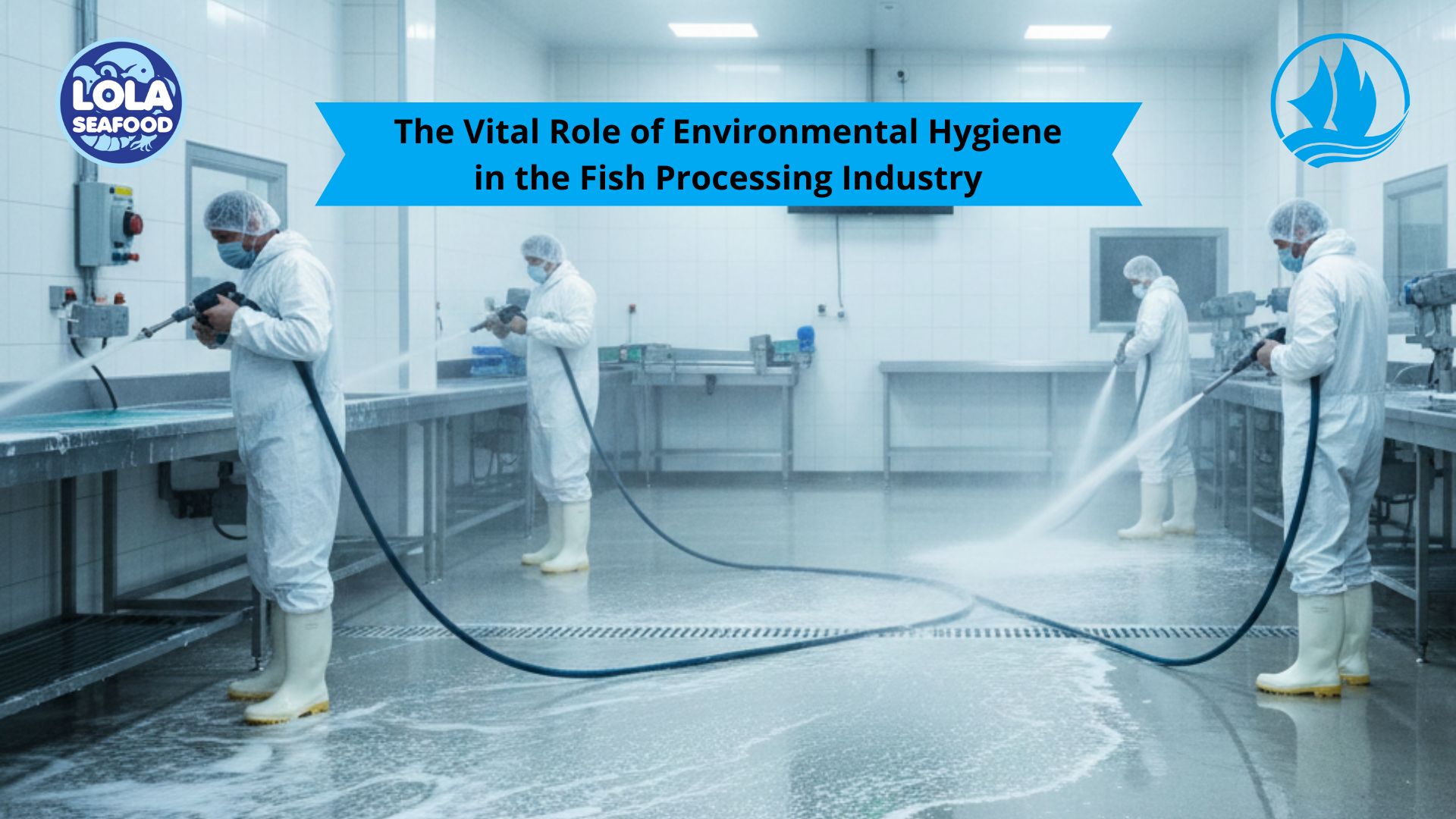
Bacteria don't just exist on the fish; they thrive on surfaces. Biofilms—slimy layers of bacteria—can form on conveyor belts and cutting tables. Effective elimination requires a multi-stage cleaning process:
- Mechanical Cleaning: Removing physical debris.
- Chemical Disinfection: Using food-safe sanitizers like chlorine dioxide or peracetic acid.
- Ozonated Water: Many advanced facilities now use ozone (O3) as a powerful, residue-free disinfectant that kills bacteria 3,000 times faster than chlorine.
The Chemical Challenge: Mitigating Heavy Metals
Unlike bacteria, which can be killed with heat or chemicals, heavy metals such as mercury (Hg), lead (Pb), cadmium (Cd), and arsenic (As) are elemental. They cannot be destroyed. These toxins enter the aquatic food chain through industrial runoff and bioaccumulate in the fatty tissues of predatory fish like tuna, swordfish, and marlin.
1. Strategic Sourcing and Risk Assessment
Since you cannot "wash away" mercury, safety starts with the selection of raw materials.
- Geographic Sourcing: Processors must monitor the waters where their fish are caught. High-risk industrial zones are often flagged, and catch from these areas requires more rigorous testing.
- Species Grading: Larger, older fish generally contain higher concentrations of heavy metals. Industry leaders often implement "size-capping" to ensure only younger, lower-accumulation specimens enter the premium supply chain.
2. Advanced Detection Technologies
To guarantee a product is "heavy metal free" (or below the strict parts-per-billion limits set by the FDA or EFSA), processing plants rely on sophisticated laboratory analysis:
- Atomic Absorption Spectroscopy (AAS): A technique used to determine the concentration of a specific metal element in a sample.
- ICP-MS (Inductively Coupled Plasma Mass Spectrometry): The gold standard for detecting metals at extremely low concentrations, ensuring that even trace amounts of lead or cadmium are identified before the product reaches the shelf.
The Regulatory Framework: HACCP
The backbone of a safe fish processing operation is the Hazard Analysis and Critical Control Point (HACCP) system. This is a preventative approach rather than a reactive one.
Instead of just inspecting the finished can of tuna, HACCP identifies "Critical Control Points" (CCPs) throughout the journey. For instance, a CCP might be the "receiving" stage (checking for heavy metal certificates) or the "cooking" stage (ensuring internal temperatures kill all Vibrio bacteria). By monitoring these specific points, the industry shifts from "detecting failure" to "ensuring success."
Innovation: The Future of Clean Seafood
The industry is currently pivoting toward greener, more technological solutions to ensure purity:
- Bacteriophages: Using "good" viruses that specifically target and kill harmful bacteria like Listeria without affecting the taste or quality of the fish.
- Blockchain Traceability: Consumers can now scan a QR code on a fish fillet to see its journey from a specific vessel to the store, including its lab-tested safety profile for heavy metals.
If youre interested in our Whiting Fish Whole Round,Barramundi Fillet Skin On,Catfish Fillet Skinless,Cobia Fillet Skinless,Coral Trout Fillet Skin On,Barramundi Whole Round / Whole Gilled Gutted Scaled,Corvina / Croaker / Jew Fish Whole Round / Whole Gilled Gutted Scaled,Black Pomfret Whole Round,Red / Scarlet Snapper Fillet Portion,Parrotfish Fillet Skinless,Baby Octopus Flower please do not hesitate to contact us through email and/or Whatsapp