The Rising Global Demand for Bonito: A Premium Choice for International Markets
By. Puji Widyastuti - 30 Mar 2026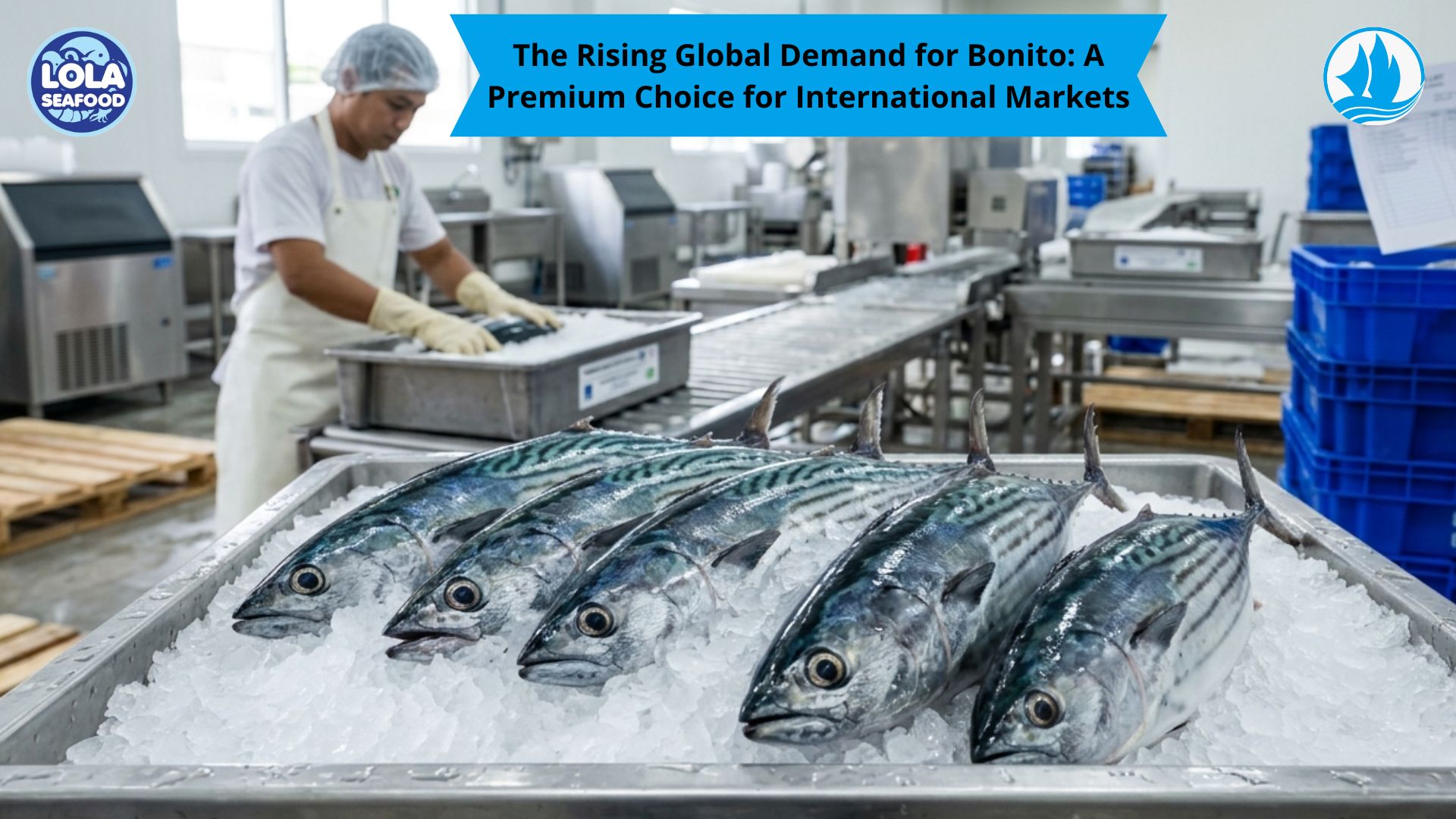
kelolalaut.com In the competitive landscape of the global seafood industry, few species offer the versatility, nutritional density, and economic value of the Bonito. Often overshadowed by its larger cousin, the Bluefin tuna, Bonito is rapidly carving out its own significant niche in international markets. From the high-end culinary traditions of Japan to the bustling canning industries of Europe and North America, this "silver-skinned powerhouse" is becoming a staple of global export.
Understanding the Bonito: More Than Just "Mini Tuna"
Bonito belongs to the Scombridae family, sharing the same lineage as mackerels and tunas. While there are several species, the Atlantic Bonito (Sarda sarda) and the Pacific Bonito (Sarda lineolata) are the most commercially significant for export.
Characterized by their streamlined bodies and striking longitudinal stripes, Bonito are fast-moving predators. This active lifestyle results in a firm, dark, and oil-rich flesh. For the export market, this composition is a major selling point: it provides a flavor profile that is more intense than Skipjack but more accessible and affordable than premium Yellowfin.
Key Drivers of the Export Market
The global demand for Bonito is driven by three primary sectors:
- The Japanese Katsuobushi Industry Perhaps the most iconic use of Bonito is in Japan, where it is transformed into Katsuobushi (dried, fermented, and smoked skipjack/bonito flakes). As Japanese cuisine gains "Intangible Cultural Heritage" status globally, the demand for authentic dashi ingredients has skyrocketed. High-quality Bonito exports are essential for maintaining this supply chain.
- The European Canning and Processing Sector In Mediterranean countries like Spain, Italy, and Turkey, Bonito (known as Palamut or Bonito del Norte in similar contexts) is a delicacy. Exporting frozen-at-sea (FAS) Bonito to European canneries allows for the production of premium jarred fillets in olive oil, which command a much higher price point than standard canned tuna.
- The Health-Conscious Consumer In North America and Northern Europe, consumers are increasingly looking for "superfoods" from the ocean. Bonito is packed with:
- Omega-3 Fatty Acids: Essential for heart and brain health.
- High Protein Content: A lean, efficient source of amino acids.
- Micronutrients: Rich in Vitamin B12, Selenium, and Magnesium.
Quality Standards for International Export
To successfully penetrate foreign markets, exporters must adhere to rigorous quality control measures. The international seafood market is unforgiving when it comes to freshness and safety.
- Cold Chain Integrity: The most critical factor. Bonito must be blast-frozen to at least -18°C (or preferably -30°C for sashimi grade) immediately after harvest to prevent the buildup of histamine—a common issue in scombroid fish if not handled correctly.
- Sustainability Certifications: Modern importers, especially in the EU and USA, demand proof of sustainable fishing practices. Obtaining MSC (Marine Stewardship Council) or FOS (Friend of the Sea) certification is often the "golden ticket" to entering premium retail chains.
- Traceability: Digital tracking from the vessel to the final packaging is no longer optional. Importers want to know exactly where, when, and how the fish was caught.
Market Positioning and Pricing Strategies
Exporting Bonito is not just about volume; it’s about positioning.
- Grade A (Sashimi Grade): Targets high-end restaurants and specialty Japanese distributors. This requires "Ike Jime" (a traditional spike-to-the-brain slaughter method) to ensure the highest meat quality.
- Grade B (Processing Grade): Targets the canning and frozen steak industry. Here, the focus is on consistent weight sizing and competitive pricing per ton.
Currently, the market is seeing a shift toward Value-Added Products. Instead of exporting whole round fish, many successful exporters are now shipping vacuum-packed loins, pre-sliced steaks, or seasoned fillets, which reduce shipping costs and increase the profit margin per kilogram.
Challenges and Future Outlook
The main challenge for the Bonito export market remains the volatility of fuel prices and the impact of climate change on migratory patterns. However, as traditional tuna stocks face stricter quotas, Bonito remains a relatively resilient and abundant resource.
The future of Bonito exports lies in transparency and branding. Emerging markets in Southeast Asia and the Middle East are showing increased interest in frozen Bonito as a versatile protein source for their growing middle-class populations.
If youre interested in our Bonito Fillet Loin , Bonito Fillet Portion Cut, Bonito Whole Round please do not hesitate to contact us through email and/or Whatsapp


.jpg)