The Modern Fish Processing Industry: Bridging Tradition and Technology
By. Fajar - 04 May 2026.jpg)
kelolalaut.com The global fish processing industry stands at a critical intersection of ancient human tradition and cutting-edge industrial innovation. As the world’s population grows and the demand for healthy, sustainable protein sources rises, the seafood supply chain has evolved from localized artisanal practices into a sophisticated, multi-billion-dollar global network. This transformation is not merely about volume; it is about ensuring food safety, maximizing nutritional value, and prioritizing the health of our oceans.
The Transformation Process: From Catch to Consumer
The primary goal of fish processing is to convert raw aquatic resources into safe, high-quality, and palatable food products. This value chain is categorized into several distinct stages:
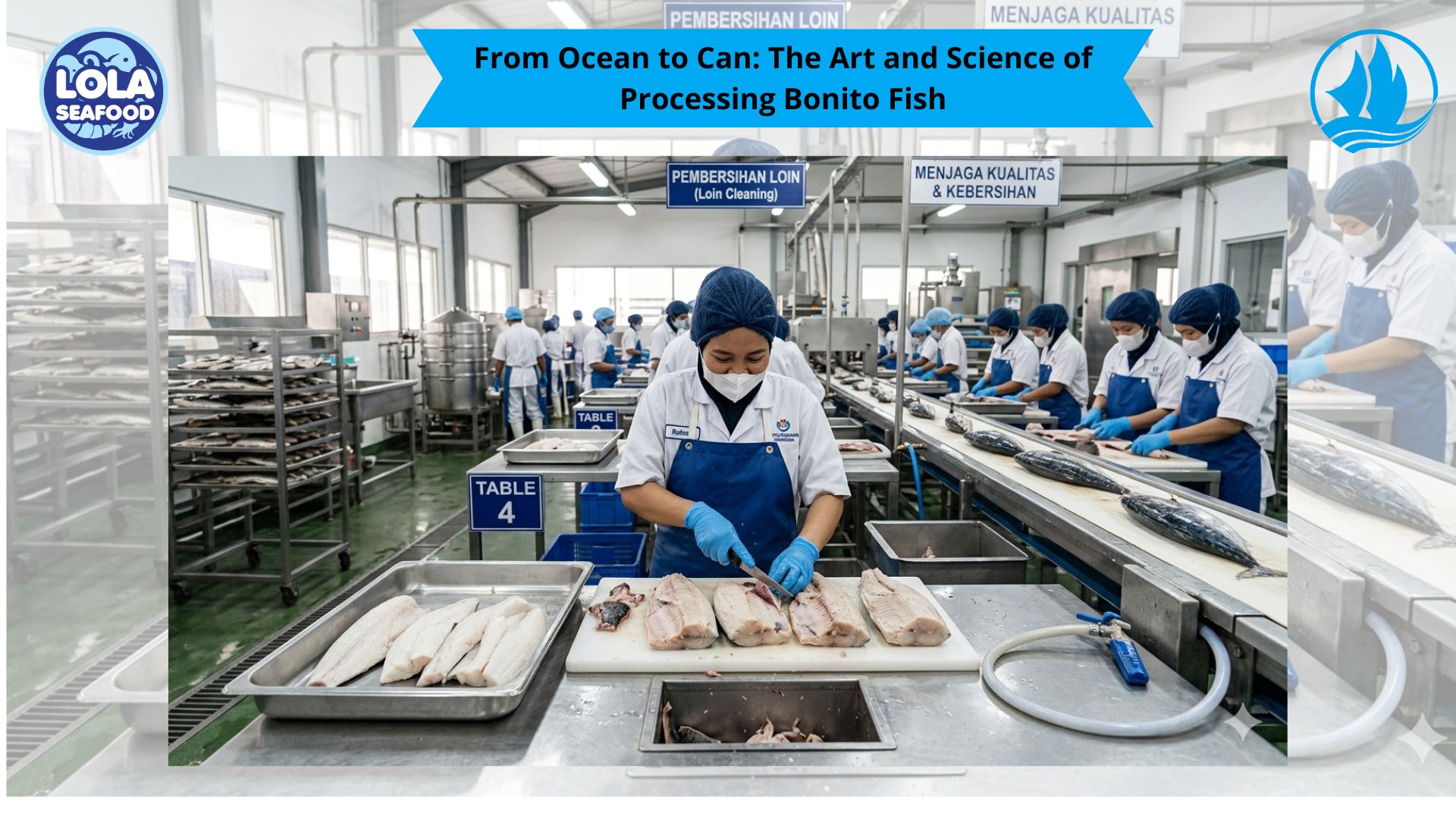
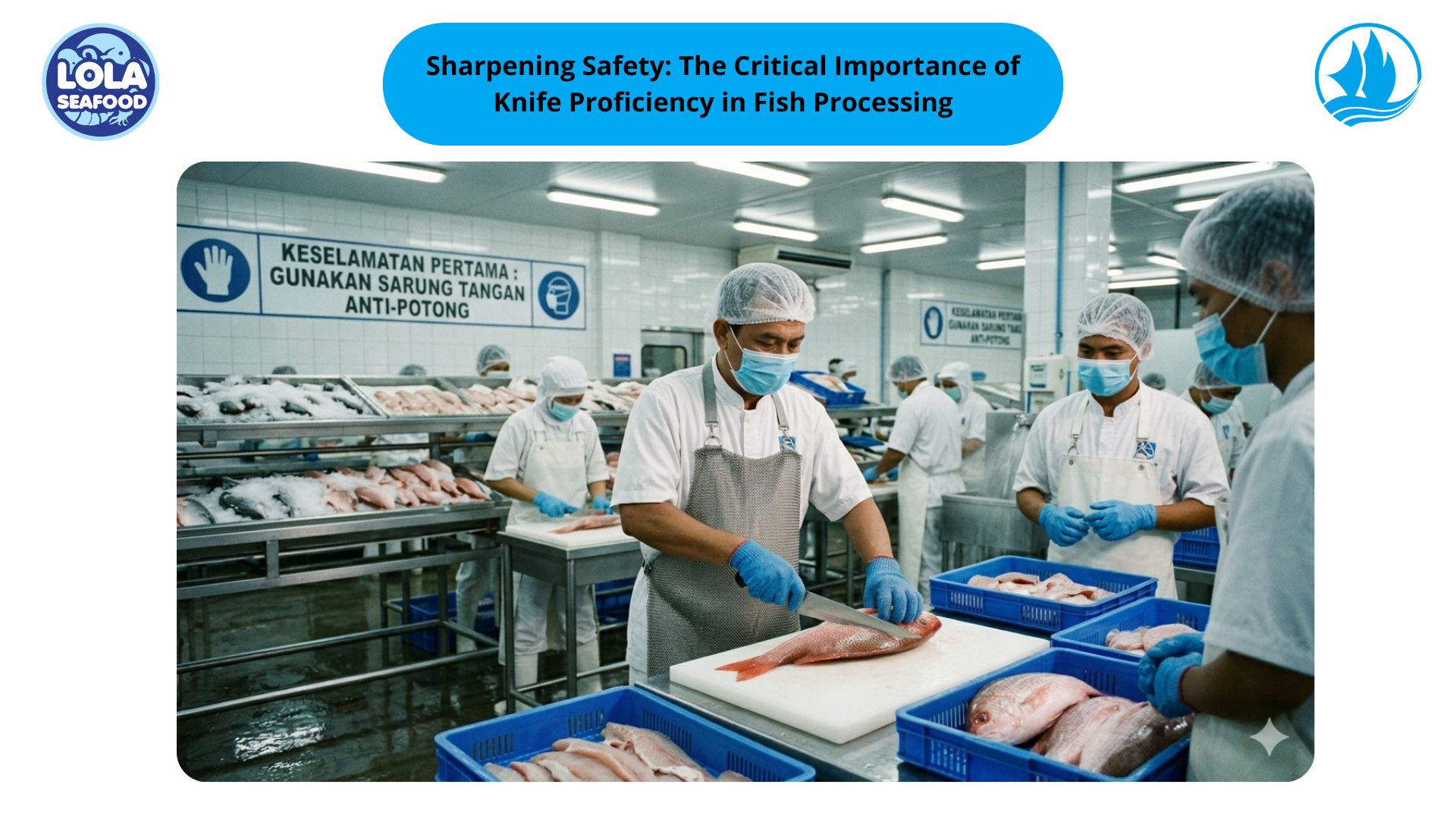
- Primary Processing: This includes initial handling such as gutting, heading, skinning, and filleting. In modern facilities, this is increasingly performed by automated systems to ensure speed and hygiene.
- Preservation Techniques: To maintain the integrity of delicate proteins, industries utilize various preservation methods. Freezing remains the most dominant, particularly Individually Quick Freezing (IQF), which preserves the texture and cellular structure of the fish better than slow-freezing methods. Other methods include smoking, salting, canning, and fermentation.
- Value-Added Processing: This segment transforms basic fillets into "ready-to-eat" or "ready-to-cook" meals. This includes breading, marinating, or portion-controlled packaging, catering to the busy lifestyles of modern consumers.
The Role of the Cold Chain
Central to the industry’s success is the Cold Chain. The quality of fish is highly perishable, and maintaining a strict temperature regime is non-negotiable. To inhibit microbial growth and enzyme activity, processing facilities must maintain internal temperatures strictly between -18oC and -25 oC for deep-frozen products. Advanced logistical systems now utilize IoT (Internet of Things) sensors to monitor this temperature range in real-time, ensuring that the integrity of the product remains uncompromised from the processing plant to the retail shelf.
Innovation and Digitalization
The industry is currently undergoing a digital revolution. Two significant trends are reshaping the landscape:
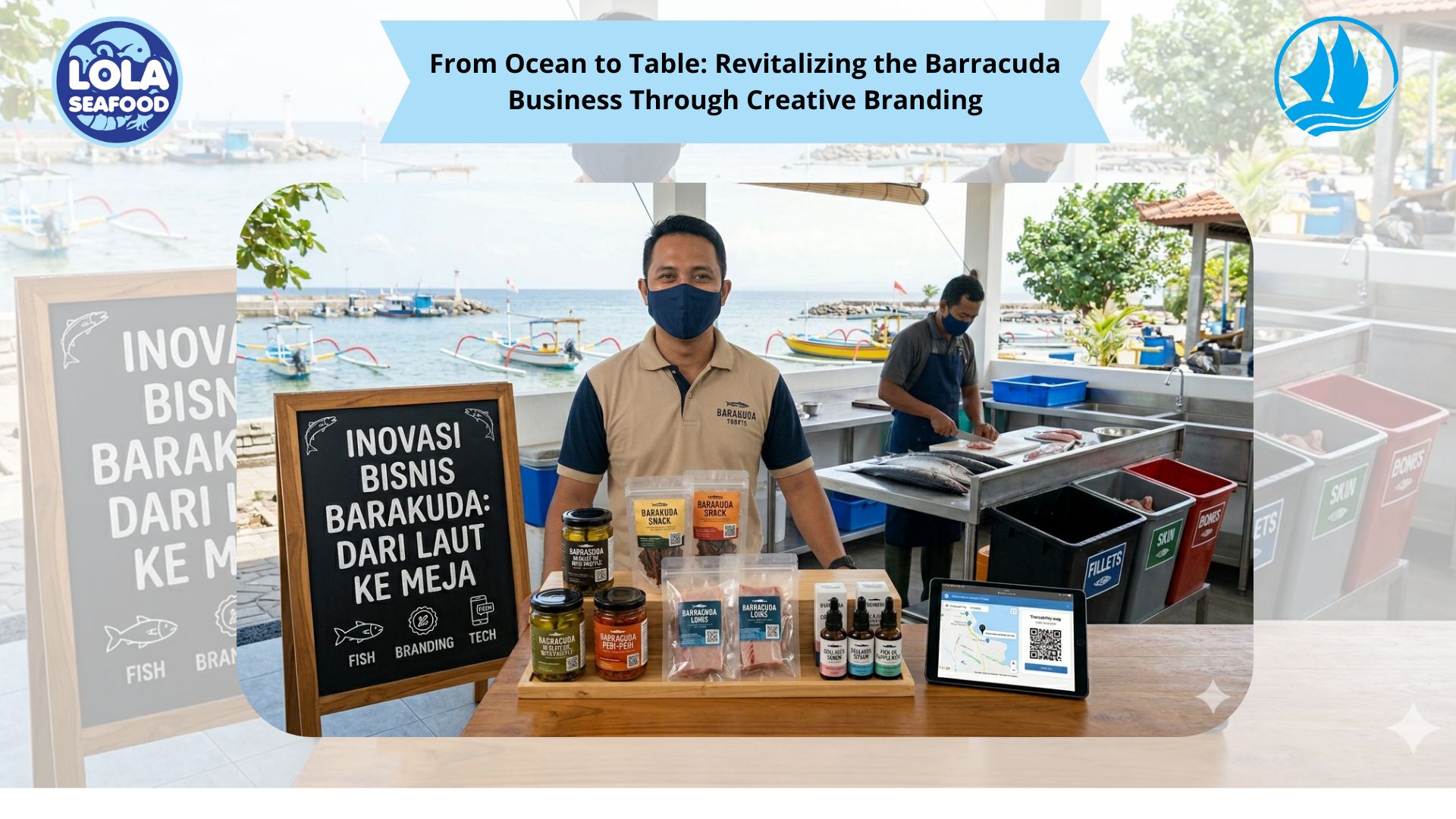
- Traceability and Blockchain: Consumers are increasingly conscious of the origins of their food. Blockchain technology is being deployed to create immutable digital ledgers, allowing consumers to scan a QR code on a package to trace the fish back to the specific vessel, catch date, and even the sustainable fishery management area it came from.
- Automation and Robotics: To combat rising labor costs and improve food safety, high-tech factories are integrating robotic systems. These robots use computer vision to assess fish size and quality in milliseconds, reducing human contact and minimizing the risk of contamination.
The Sustainability Mandate
Sustainability is no longer an optional ethical consideration; it is a business imperative. The fish processing industry is a major stakeholder in the "Blue Economy." Responsible processors now focus heavily on:
- By-product Utilization: In a traditional processing model, a significant percentage of the fish—heads, frames, skin, and viscera—is discarded. The modern circular economy approach turns these into high-value secondary products, such as fish meal for aquaculture, collagen for cosmetics, or omega-3-rich oils for supplements.
- Certification: Partnering with organizations like the Marine Stewardship Council (MSC) or the Aquaculture Stewardship Council (ASC) ensures that processing plants are handling fish that has been caught or farmed responsibly, preventing the support of illegal, unreported, and unregulated (IUU) fishing.
Future Outlook: The Next Horizon
As we look toward the future, the industry faces the challenge of maintaining supply while respecting planetary boundaries. We are witnessing the emergence of "Alt-Seafood"—plant-based or cultivated fish alternatives—which are increasingly finding a place within traditional processing facilities. Furthermore, the integration of AI-driven demand forecasting is helping processors optimize production levels, significantly reducing food waste by ensuring that inventory aligns closely with consumer market needs.
If youre interested in our Whiting Fish Whole Round,Barramundi Fillet Skin On,Catfish Fillet Skinless,Cobia Fillet Skinless,Coral Trout Fillet Skin On,Barramundi Whole Round / Whole Gilled Gutted Scaled,Corvina / Croaker / Jew Fish Whole Round / Whole Gilled Gutted Scaled,Black Pomfret Whole Round,Red / Scarlet Snapper Fillet Portion,Parrotfish Fillet Skinless,Baby Octopus Flower please do not hesitate to contact us through email and/or Whatsapp

.jpg)
.jpg)