Pure Product, Protected Personnel: The Critical Role of PPE Cleanliness in Fish Processing Plants
By. Taufiq - 22 May 2026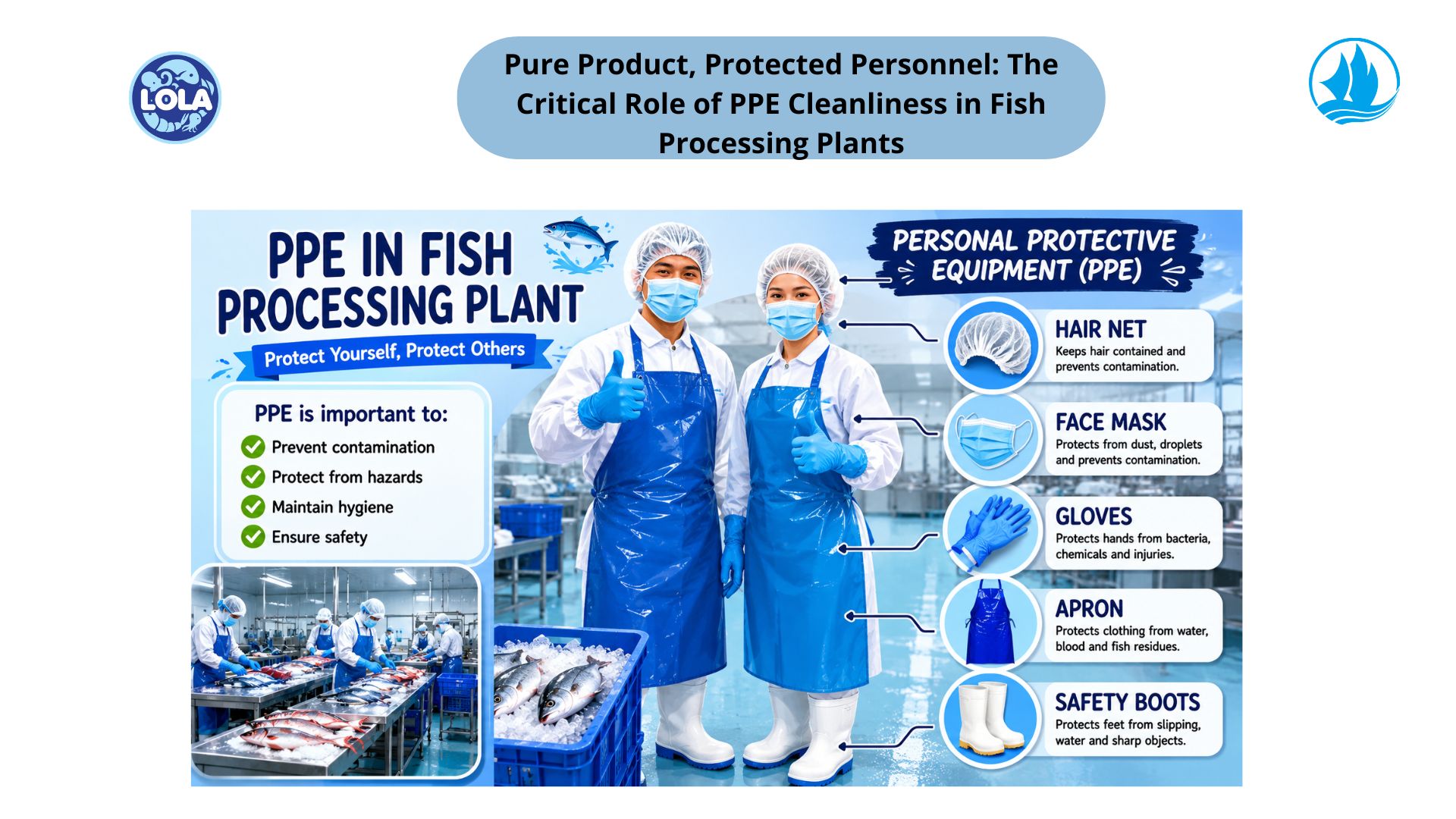
Kelolalaut.com The seafood processing industry operates under a microscope—both figuratively and literally. With global demand for fish and seafood at an all-time high, processing facilities must balance high-throughput production with uncompromising safety standards. In this high-stakes environment, Personal Protective Equipment (PPE) serves as the primary barrier between the worker, the raw product, and potential contaminants.
However, PPE is only as effective as it is clean. In a fish factory, where moisture, organic matter, and bacteria thrive, maintaining pristine PPE is not just a matter of compliance—it is the cornerstone of food safety and worker health.
The Unique Vulnerabilities of Seafood Processing
Fish processing plants are unique environments characterized by low temperatures, high humidity, and the constant presence of organic waste (blood, slime, and scales). These conditions create a perfect storm for microbial growth.
When workers handle raw fish, their PPE—including aprons, gloves, boots, hairnets, and sleeves—inevitably comes into contact with fish fluids and flesh. If these items are not thoroughly cleaned and sanitized, they quickly become breeding grounds for dangerous pathogens such as Listeria monocytogenes, Salmonella, and Staphylococcus aureus.
Moreover, cross-contamination is a constant threat. A worker moving from the gutting station (raw zone) to the packaging area (high-care zone) with contaminated PPE can inadvertently transfer bacteria to a finished product, leading to foodborne illness outbreaks, costly product recalls, and severe damage to the company’s reputation.
Key Components of Fish Factory PPE and Their Maintenance
To ensure absolute hygiene, different types of PPE require specific, rigorous cleaning protocols:
1. Aprons and Sleeves (Waterproof Barriers)
Usually made of heavy-duty PVC or polyurethane, these items bear the brunt of the organic splash.
- Cleaning Protocol: They must be scraped of solid debris, scrubbed with an alkaline detergent to break down fish fats, rinsed with clean water, and sprayed with a food-safe sanitizer at the end of every shift. They must be hung vertically to dry completely, preventing mold growth.
2. Gloves (Chainmail and Rubber)
Workers use chainmail gloves for cut protection and rubber/nitrile gloves for hygiene.
- Cleaning Protocol: Rubber gloves should be washed and sanitized frequently throughout the day. Chainmail gloves require specialized ultrasonic cleaning or intense scrubbing and high-temperature sterilization to remove microscopic fish particles trapped in the metal links.
3. Boots (Safety Wellies)
Footwear constantly contacts floor condensation, fish waste, and chemical runoff.
- Cleaning Protocol: Before entering or leaving the production floor, workers must pass through boot-washing stations. Deep-tread boots must be scrubbed manually or mechanically to ensure no organic material is trapped in the soles.
The Economic and Human Impact of PPE Hygiene
Investing time and resources into PPE cleanliness yields significant returns for fish processing factories.
+---------------------+---------------------------------------------------------+
| Benefit Area | Positive Impact of Clean PPE |
+---------------------+---------------------------------------------------------+
| Food Safety | Drastically reduces the risk of bacterial contamination. |
| Shelf-Life | Minimizes spoilage organisms, extending product life. |
| Worker Health | Prevents skin infections, rashes, and occupational acne.|
| Audit Compliance | Ensures smooth passing of GFSI, HACCP, and BRC audits. |
+---------------------+---------------------------------------------------------+
From a human perspective, wearing damp, soiled PPE for an eight-hour shift in a cold room is a recipe for worker dissatisfaction and illness. Fish slime left on fabric can cause severe dermatological issues. By enforcing strict PPE hygiene, management protects its most valuable asset: its workforce.
Establishing a Robust Culture of Cleanliness
Ensuring PPE cleanliness cannot be left to chance or individual discretion; it requires a systematic approach.
The Golden Rule of Food Safety: Cleaning and sanitizing are two different steps. You cannot sanitize a dirty surface. Organic matter must be completely removed first for sanitizers to work.
Factories should implement a color-coded PPE system to visually separate zones (e.g., blue aprons for raw processing, white for packaging) to prevent cross-contamination. Furthermore, shifting the responsibility of heavy-duty cleaning from the individual workers to a dedicated sanitation team ensures consistency and adherence to validated Standard Operating Procedures (SOPs).
Regular microbial swabbing (ATP testing) of PPE before shifts begin can provide real-time data on the effectiveness of the cleaning protocols, allowing quality assurance teams to intervene before a minor oversight becomes a major hazard.
Conclusion
In the fish processing industry, the journey from ocean to table is fraught with biological risks. Clean PPE is the unsung hero of this journey. By treating protective gear not just as wearable safety equipment, but as a critical food-contact surface, fish factories can ensure they deliver fresh, safe, and premium-quality seafood to the world while maintaining a safe and dignified workplace for their employees. Cleanliness, after all, is the best preservative.
If youre interested in our Whiting Fish Whole Round,Barramundi Fillet Skin On,Catfish Fillet Skinless,Cobia Fillet Skinless,Coral Trout Fillet Skin On,Barramundi Whole Round / Whole Gilled Gutted Scaled,Corvina / Croaker / Jew Fish Whole Round / Whole Gilled Gutted Scaled,Black Pomfret Whole Round,Red / Scarlet Snapper Fillet Portion,Parrotfish Fillet Skinless,Baby Octopus Flower,Bonito Fillet Portion Cut,Catfish Fillet Skinless,Coral Trout Fillet Skinless,Baby Octopus Flower Baby Octopus Whole Cleaned Baby Octopus Whole Round Barramundi Fillet Portion Cut Black Pomfret Portion Cut Bonito Whole Round Catfish Steak Catfish Fillet Skinless Catfish Steak Baby Octopus Whole Cleaned Catfish Fillet Skinless Barramundi Fillet Skinless Catfish Fillet Skinless Black Pomfret Portion Cut please do not hesitate to contact us through email and/or Whatsappp
.jpg)
.jpg)
.jpg)
.jpg)
.jpg)