Mastering the Purchase Report: The Ultimate Tool for Smart Spend Management
By. Taufiq - 25 May 2026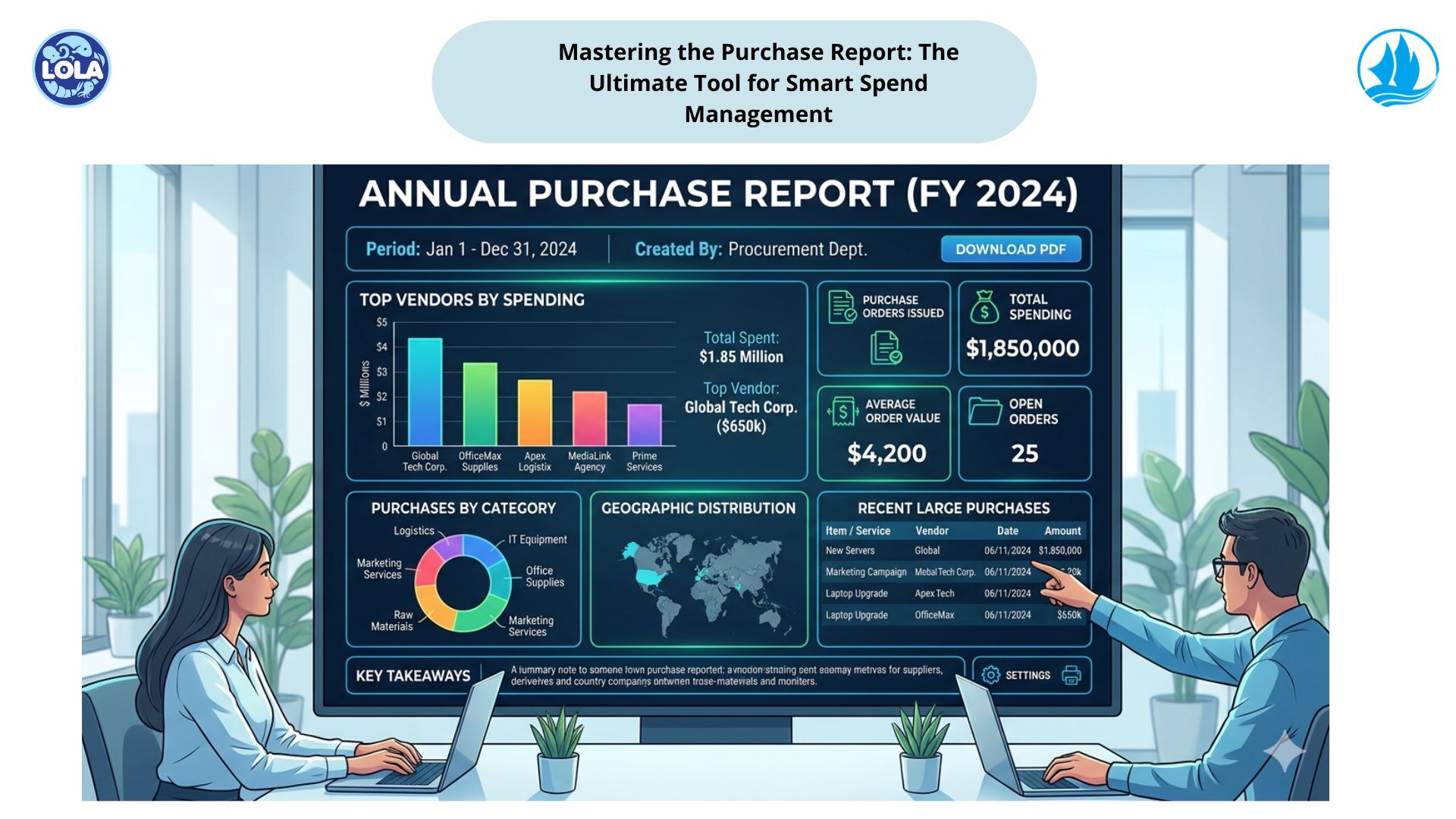
Kelolalaut.com In the fast-paced world of modern business, data is the lifeblood of strategic decision-making. Among the myriad of financial and operational documents generated daily, the Purchase Report stands out as a critical asset. Often overlooked as a mere administrative summary, a well-structured purchase report is actually a powerful financial compass. It tells a story of where a company’s money is going, how efficiently it is being spent, and where opportunities for cost savings lie.
But what exactly goes into an effective purchase report, and why should businesses of all sizes care? Let’s dive into the mechanics of this essential document and how it can transform your bottom line.
What is a Purchase Report?
At its core, a purchase report is a comprehensive document that compiles and analyzes all purchasing transactions made by a business over a specific period—whether weekly, monthly, quarterly, or annually. It aggregates data from purchase orders, invoices, and receipts to provide a clear, bird's-eye view of procurement activities.
Rather than looking at individual transactions in isolation, a purchase report groups data to reveal broader trends. It answers fundamental questions such as: Who are our top vendors? What categories of goods are we spending the most on? Are we staying within our departmental budgets?
Key Components of a Standard Purchase Report
To be truly useful, a purchase report must look beyond basic numbers. A comprehensive report typically features several key metrics organized into an easy-to-read format:
- Vendor Analysis: A breakdown of expenditures by supplier. This highlights which vendors receive the bulk of the company's capital.
- Itemized Spending: Categorization of purchases by product type, raw materials, or services. This helps identify major cost drivers.
- Departmental Allocation: Tracking which departments (e.g., Marketing, IT, Operations) are spending the most and whether they are aligned with their forecasts.
- Pricing Trends: Monitoring the unit prices of frequently purchased items over time to detect inflation or vendor price hikes.
- Order Status and Cycle Times: Tracking the time it takes from issuing a purchase order to receiving the goods, which measures supply chain efficiency.
Why Every Business Needs Comprehensive Purchase Reports
Implementing a robust purchase reporting system offers significant advantages that directly impact a company’s financial health.
1. Unlocking Cost Reduction Opportunities
When you see all your expenditures laid out clearly, inefficiencies become obvious. For instance, a purchase report might reveal that three different departments are buying the same software licenses independently, missing out on bulk-corporate discounts. By consolidating these purchases, businesses can negotiate better rates with vendors.
2. Enhancing Supplier Relationship Management (SRM)
Data empowers negotiation. Armed with a detailed report showing that your business spent $100,000 with a specific supplier over the last year, your procurement team gains massive leverage. You can negotiate better payment terms, faster delivery times, or volume discounts based on historical loyalty.
3. Fraud Prevention and Tightened Control
Unapproved spending, also known as "maverick spend," can quietly drain a company’s resources. Regular purchase reports act as an internal audit tool, making it easy to spot unauthorized transactions, duplicate invoices, or sudden spikes in spending that require immediate investigation.
4. Accurate Budgeting and Forecasting
Predicting future expenses is nearly impossible without understanding past behavior. Financial officers rely heavily on historical purchase reports to project future cash flow needs, set realistic departmental budgets, and allocate capital efficiently for the upcoming fiscal years.
Elevating the Data: Visualizing the Procurement Process
Modern business intelligence tools allow companies to turn raw purchasing data into interactive dashboards. A standard breakdown often looks like the matrix below, helping managers spot anomalies instantly:
|
Department |
Top Vendor |
Total Spent This Month |
Budget Status |
|
Information Technology |
Global Tech Solutions |
$45,000 |
Within Budget |
|
Operations |
Industrial Parts Corp |
$78,500 |
Over Budget (12%) |
|
Marketing & Design |
Creative Media Agency |
$22,000 |
Within Budget |
|
Human Resources |
TalentScout Inc. |
$15,000 |
Within Budget |
Pro Tip: If a report reveals a department is consistently going over budget—as seen in the Operations example above—it triggers an immediate cue for management to review vendor contracts or adjust operational forecasts.
Moving Forward: Automation is Key
The days of manually entering data into messy spreadsheets are fading. Relying on manual entry often leads to human error, delayed reports, and fragmented data. Today, smart businesses utilize automated Enterprise Resource Planning (ERP) or dedicated procurement software.
Automated tools generate real-time purchase reports at the click of a button. They provide leadership teams with instantaneous insights, allowing them to pivot quickly in response to market changes or supply chain disruptions.
Conclusion
A purchase report is far more than a post-expense receipt; it is a strategic blueprint for financial discipline and operational excellence. By consistently analyzing where, how, and with whom capital is spent, businesses can eliminate waste, strengthen vendor partnerships, and safeguard their cash flow. In an increasingly competitive economic landscape, mastering your purchase report is no longer optional—it is a necessity for sustainable growth.
If youre interested in our Whiting Fish Whole Round,Barramundi Fillet Skin On,Catfish Fillet Skinless,Cobia Fillet Skinless,Coral Trout Fillet Skin On,Barramundi Whole Round / Whole Gilled Gutted Scaled,Corvina / Croaker / Jew Fish Whole Round / Whole Gilled Gutted Scaled,Black Pomfret Whole Round,Red / Scarlet Snapper Fillet Portion,Parrotfish Fillet Skinless,Baby Octopus Flower,Bonito Fillet Portion Cut,Catfish Fillet Skinless,Coral Trout Fillet Skinless,Baby Octopus Flower Baby Octopus Whole Cleaned Baby Octopus Whole Round Barramundi Fillet Portion Cut Black Pomfret Portion Cut Bonito Whole Round Catfish Steak Catfish Fillet Skinless Catfish Steak Baby Octopus Whole Cleaned Catfish Fillet Skinless Barramundi Fillet Skinless Black Pomfret Portion Cut Bonito Whole Round Coral Trout Fillet Skin On Cobia Whole Round / Whole Gilled Gutted please do not hesitate to contact us through email and/or Whatsappp


.jpg)


.jpg)
.jpg)