Zero Waste and Food Safety: Standardizing the Handling of Brevipina Fins and Meat
By. Lutfi - 30 Dec 2025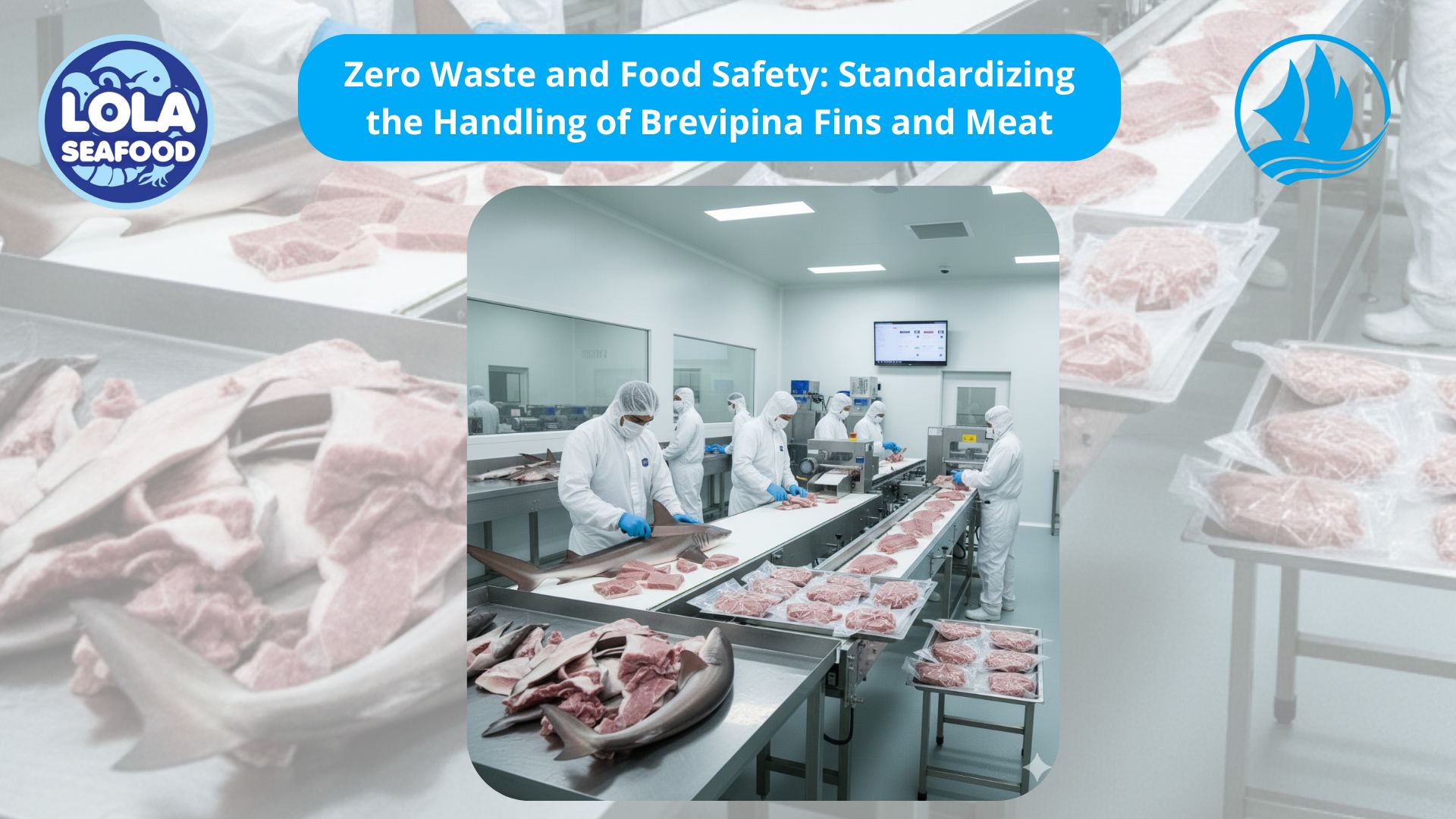
kelolalaut.com The global fishing industry is undergoing a paradigm shift. No longer is the focus solely on the volume of the catch; the emphasis has moved toward maximal utilization and uncompromising safety. For species like the Carcharhinus brevipinna (Spinner Shark), commonly referred to as Brevipina, standardizing handling procedures is essential. By integrating Zero Waste principles with rigorous Food Safety protocols, we can transform traditional shark fishing into a sustainable, high-value circular economy.
The Dual Mandate: Why Standardization Matters
Brevipina is a commercially significant species, prized both for its high-quality fins and its lean, versatile meat. However, without standardized handling, two major risks emerge:
- Economic Waste: Improper processing leads to high "drip loss" and the discarding of nutrient-rich by-products (skin, cartilage, and offal).
- Health Hazards: Sharks are prone to rapid spoilage due to high urea content, which can convert to ammonia, and the potential accumulation of heavy metals if not handled with precision.
1. The Zero Waste Framework: From By-product to Value-add
The "Zero Waste" philosophy dictates that every part of the Brevipina must be utilized. This requires a systematic approach to harvesting and processing.
- Primary Products (Fins and Meat): The focus is on precision cutting. Standardized "moisture-retaining" techniques ensure the meat stays succulent, while fins are dried using temperature-controlled dehydrators rather than open-air sun drying, which reduces contamination and physical loss.
- Secondary Products (The "Hidden" Value): * Cartilage: Instead of being discarded, shark cartilage is harvested for the pharmaceutical industry, specifically for chondroitin supplements.
- Skin: Through eco-friendly tanning processes, Brevipina skin is converted into high-durability "shagreen" leather.
- Liver Oil: Rich in squalene, the liver is processed under cold-press standards to maintain its bioactive properties for the cosmetic industry.
By viewing the shark as a suite of raw materials rather than a single-commodity animal, processors can increase their profit margins by up to 40% while significantly reducing environmental impact.
2. Ensuring Food Safety: The Cold Chain and Chemical Integrity
Food safety in Brevipina handling is non-negotiable. Because sharks are uricotelic, they store urea in their tissues to maintain osmotic balance. Once the animal dies, bacteria quickly convert urea into ammonia, resulting in an unpleasant odor and toxic profile.
The "Quick-Bleed" and Chilling Standard
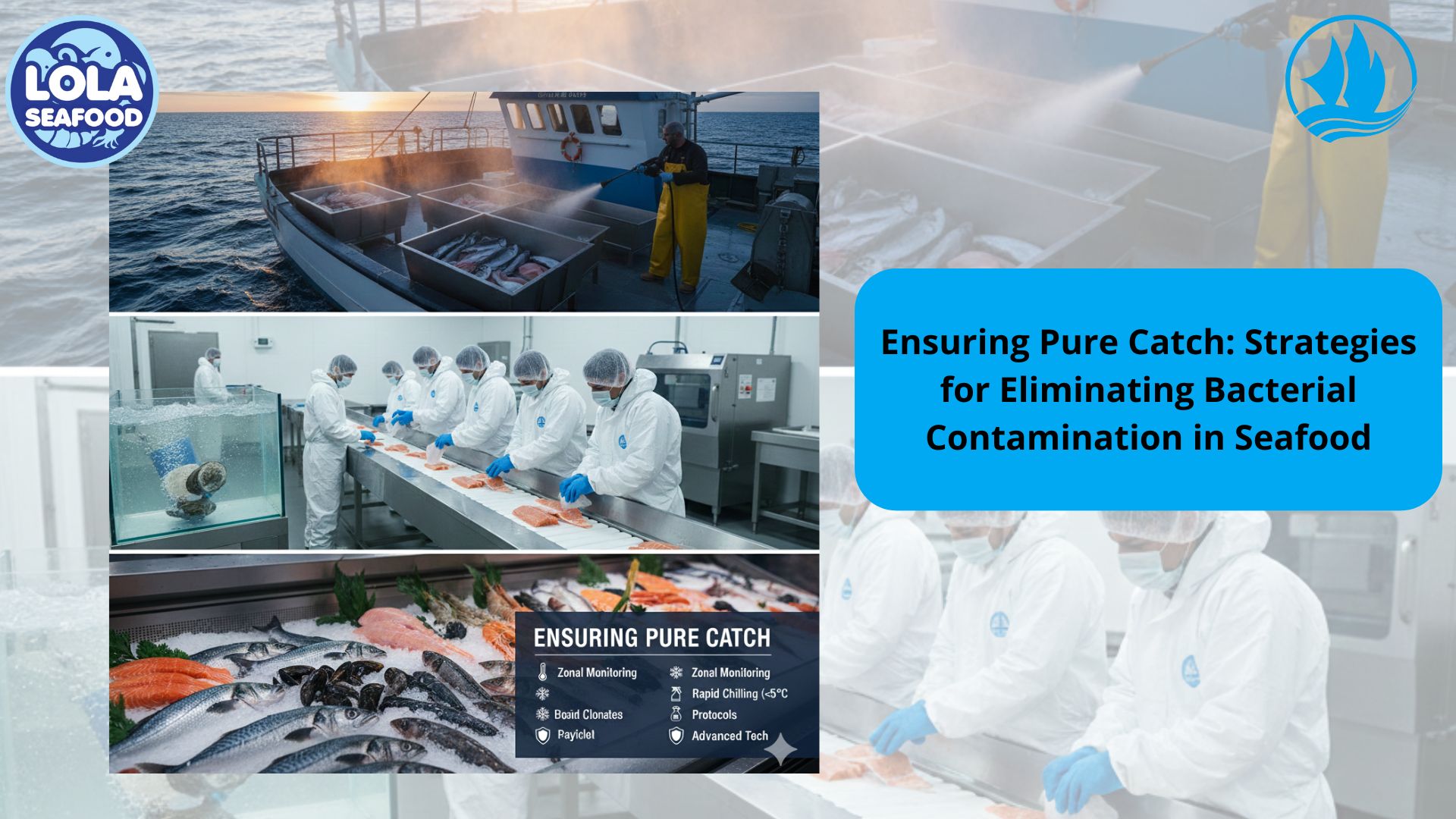
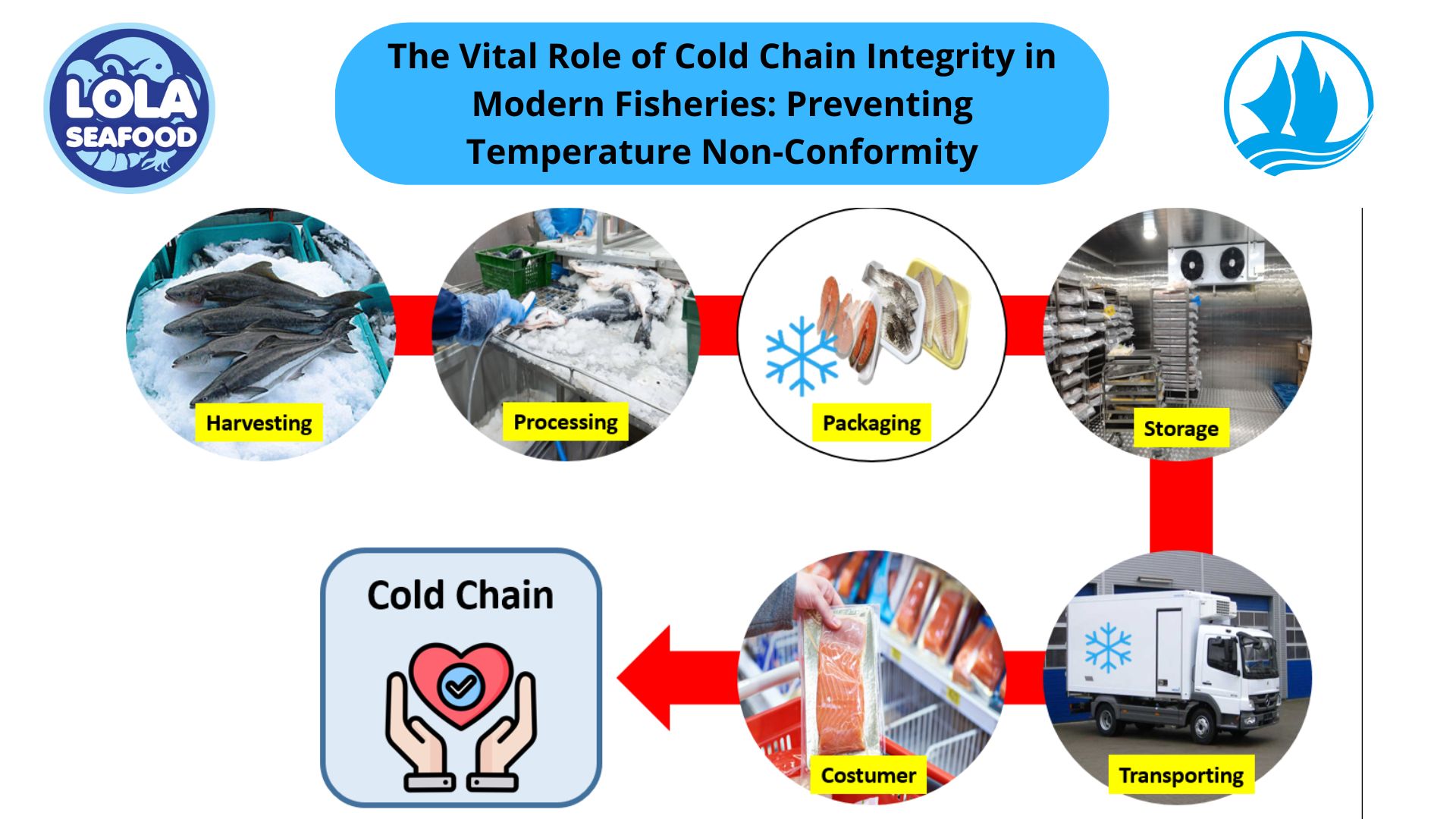
Standardization begins the moment the fish is landed. To meet food safety benchmarks, the "bleeding" process must occur immediately. This removes the majority of the urea from the system. Following this, the carcass must be plunged into a slurry ice bath to bring the core temperature down to 0°C to 4°C within the first hour.
HACCP Integration
Processing facilities must adhere to Hazard Analysis and Critical Control Points (HACCP). This includes:
- Metal Testing: Periodic testing for mercury and lead levels to ensure compliance with international food standards.
- Sanitation: Using food-grade stainless steel surfaces and chlorinated water (within regulated limits) to prevent cross-contamination.
3. Processing Standards for Fins and Meat
|
Component |
Standard Handling Procedure |
Quality Outcome |
|
Fins |
Trimmed at the "half-moon" base; skin-on or skin-off drying at 50oC. |
Grade-A texture; minimal microbial count. |
|
Meat |
Filleted into loins; urea reduction via brine soaking (2-3% salt solution). |
Neutral aroma; firm, white flesh. |
|
Offal |
Immediate freezing for conversion into high-protein fish meal. |
Low environmental footprint; high circularity. |

.jpg)

.jpg)
 and Employee Productivity on the Demersal Fish Processing Floor.jpg)