Human Resource Management Challenges and Training Needs in Implementing HACCP Quality Standards within the Fish Processing Industry
By. Ely Kusniawati - 17 Dec 2025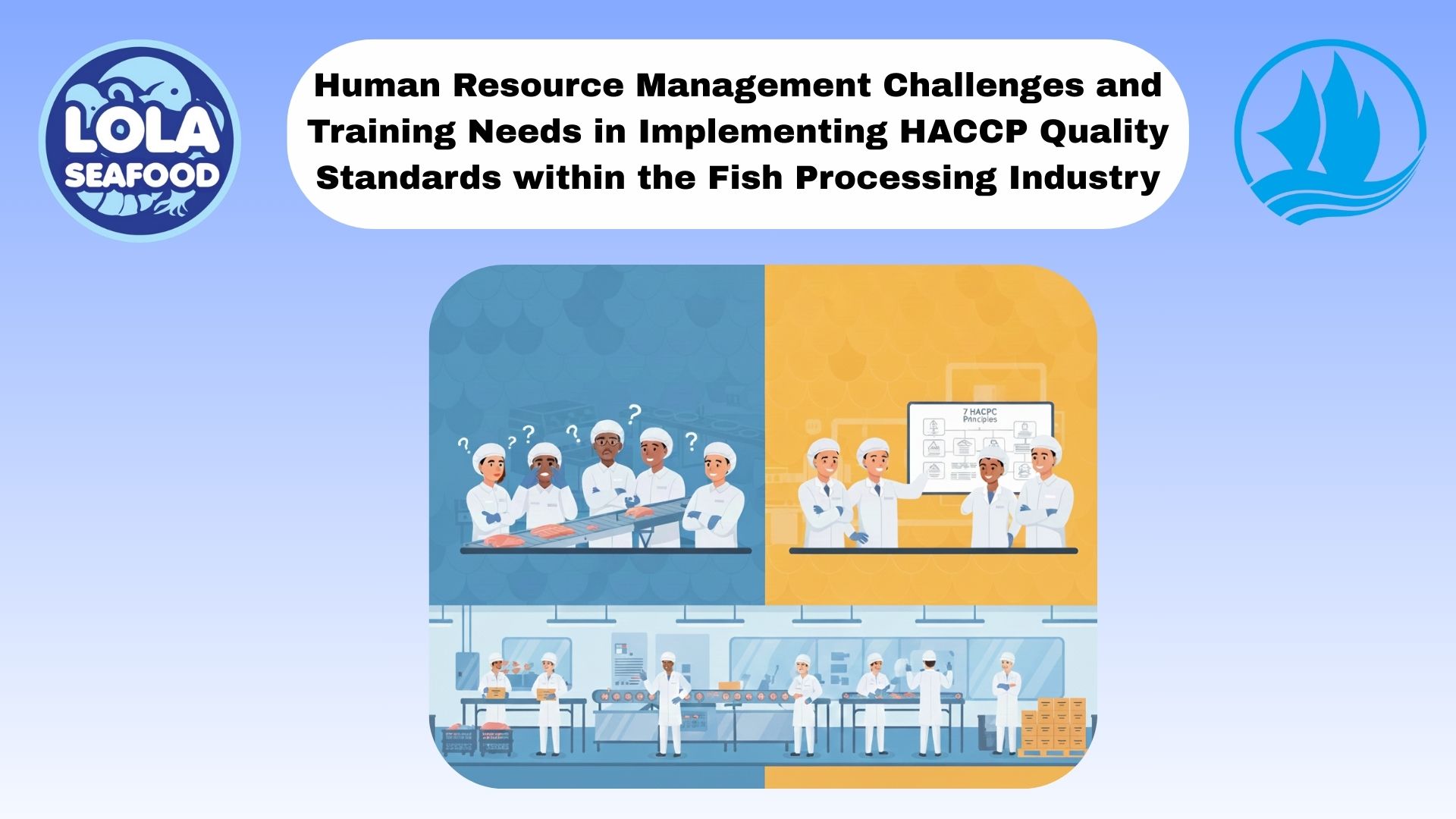
kelolalaut.com The fish processing industry operates under stringent global quality and safety regulations, with the Hazard Analysis and Critical Control Points (HACCP) system being the foundational standard. HACCP ensures the safety of seafood products by proactively identifying and controlling hazards. While HACCP relies heavily on technical procedures, its effective implementation is ultimately determined by the human element—the employees and managers responsible for executing every step. Therefore, effective Human Resource Management (HRM) and targeted training programs are crucial, yet they present unique challenges within this highly specialized and often demanding sector.
The Unique Context of the Fish Processing Industry
The fish processing environment presents several HRM complexities that impact HACCP compliance:
- High Turnover Rate: The work is often physically demanding, seasonal, and performed in cold, wet environments, leading to high employee turnover, especially among line workers. High turnover constantly disrupts the core competency of the workforce, making continuous HACCP training necessary and costly.
- Diverse Educational Backgrounds: The workforce frequently consists of individuals with varying levels of literacy and technical understanding. Communicating complex scientific concepts integral to HACCP (such as critical limits, corrective actions, and microbial hazards) to a multilingual and diverse team is a significant hurdle.
- Pressure on Productivity: Processing plants often operate under high pressure to meet tight deadlines, especially when handling highly perishable raw materials (fish). This pressure can lead employees to prioritize speed over strict adherence to HACCP procedures, such as meticulous sanitation steps or monitoring CCPs (Critical Control Points).
- Cultural and Behavioral Resistance: Introducing structured, rigorous quality control systems like HACCP often represents a major culture shift from traditional processing methods. Employees may resist new rules perceived as slowing down work or adding unnecessary complexity.
HRM Challenges in Sustaining HACCP Implementation
Implementing HACCP is one challenge; sustaining it is another. HRM faces three primary hurdles in maintaining long-term HACCP effectiveness:
1. Recruitment and Retention of Quality Control Personnel
Finding and retaining skilled Quality Control (QC) managers and technicians who are proficient in HACCP principles, regulatory compliance, and laboratory testing is difficult. These roles require continuous professional development to keep up with evolving international standards (e.g., EU, FDA). The inability to offer competitive salaries or career progression often leads to the loss of key personnel, resulting in knowledge gaps that threaten the integrity of the HACCP system.
2. Performance Management and Accountability
Establishing a performance appraisal system that effectively incorporates HACCP compliance is essential. This requires defining clear, measurable, and observable indicators for safety-related behavior, such as proper handwashing, accurate CCP monitoring record-keeping, and immediate reporting of deviations. The HRM team must ensure that disciplinary actions for non-compliance are fair and consistently applied, reinforcing the company's commitment to food safety as a non-negotiable priority.
3. Fostering a Food Safety Culture
The most profound challenge is cultivating a robust food safety culture across all organizational levels, from the plant manager to the cleaning staff. A true safety culture means employees take ownership of food safety beyond mere compliance. HRM must employ leadership training and internal communication strategies to ensure that safety messages are consistently delivered and that management models the required behavior.
Crucial Training Needs for Effective HACCP Implementation
To address these HRM challenges, the fish processing industry requires specialized and targeted training programs:
- General HACCP Awareness Training: Mandatory for all new employees, regardless of role. This training must be simple, visual, and language-appropriate, focusing on the basics: the importance of preventing contamination, personal hygiene standards (Good Manufacturing Practices/GMP), and Sanitation Standard Operating Procedures (SSOPs).
- CCP Monitoring and Documentation Training: Specialized training is needed for key operators responsible for monitoring CCPs (e.g., temperature checks, metal detection). This training must focus heavily on practical application, calibration, accurate data logging, and the precise steps for implementing corrective actions when a critical limit is breached.
- Refresher and Behavior-Based Training: Given the high turnover, annual refresher courses are vital. Behavior-based training, focusing on real-life scenarios and positive reinforcement, is often more effective than traditional lectures in changing long-standing habits and reducing behavioral risk factors.
- Managerial and Leadership Training: Senior staff and supervisors require training not just on HACCP technicalities, but on leading a safety system. They must be equipped with skills in risk assessment, internal auditing, effective communication, and crisis management, ensuring they serve as the pillars of the food safety culture.
Conclusion
The successful implementation and maintenance of HACCP in the fish processing industry is not merely a technical exercise but a sophisticated HRM function. The industry must proactively address challenges such as high turnover and diverse educational backgrounds through strategic recruitment, fair performance management, and, most importantly, continuous and targeted training. By investing in the human element—equipping every employee with the knowledge and motivation to prioritize food safety—companies can secure not only their compliance certificates but also their competitive edge and consumer trust in the global seafood market.


.jpg)
 in Meeting Global Protein Demand Sustainably.jpg)