Zero-Risk Seafood: How Our Cold Chain Protocol Eliminates Spoilage and Pathogens
By. Wiwik Rasmini - 03 Feb 2026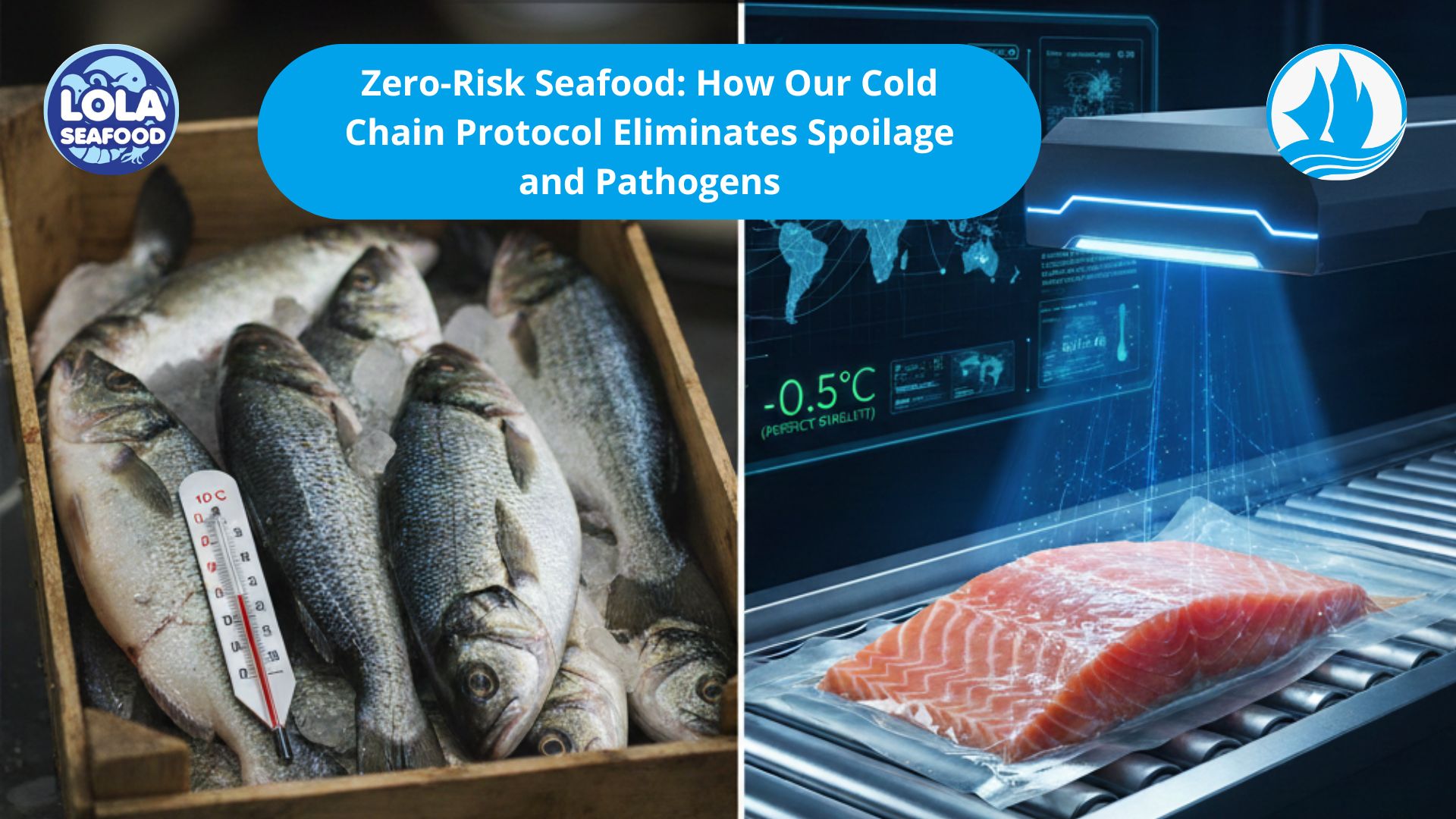
kelolalaut.com The journey from the deep blue ocean to the consumer’s plate is a race against time, temperature, and biology. Seafood is one of the most perishable commodities on the planet. From the moment a fish is harvested, a natural process of degradation begins, driven by enzymatic activity and microbial growth.
In the traditional seafood industry, "fresh" is often a subjective term, frequently masking a reality of fluctuating temperatures and compromised quality. However, at the intersection of logistics and food science lies our Zero-Risk Cold Chain Protocol. This isn't just about keeping fish cold; it is a comprehensive, technology-driven ecosystem designed to eliminate spoilage and neutralize pathogens, ensuring that the seafood you eat is as safe as it was the second it left the water.
The Science of Spoilage: Why Temperature is Everything
To understand our protocol, one must understand the enemy. Seafood spoilage is primarily driven by three factors:
- Bacterial Growth: Pathogens like Vibrio, Salmonella, and Listeria thrive in the "danger zone" between 4°C and 60°C.
- Enzymatic Autolysis: Natural enzymes in fish tissues begin to break down proteins immediately after death, softening the flesh and altering flavor.
- Oxidation: Exposure to air leads to the breakdown of fats, resulting in "fishy" odors and rancidity.
Our protocol addresses these challenges by manipulating the physics of cooling. We don't just refrigerate; we manage the molecular state of the product.
Phase 1: Rapid Post-Harvest Stabilization
The clock starts the moment the catch is hauled in. Our "Zero-Risk" journey begins with Superchilling. Unlike standard icing, which can be inconsistent, we utilize slurry ice—a sub-zero liquid suspension that surrounds the fish entirely.
By dropping the core temperature to just below the freezing point of water without actually freezing the cellular structure of the fish, we effectively "pause" biological time. This rapid pull-down stops bacterial multiplication in its tracks and inhibits the enzymatic reactions that lead to mushy textures.
Phase 2: The Unbroken Digital Chain
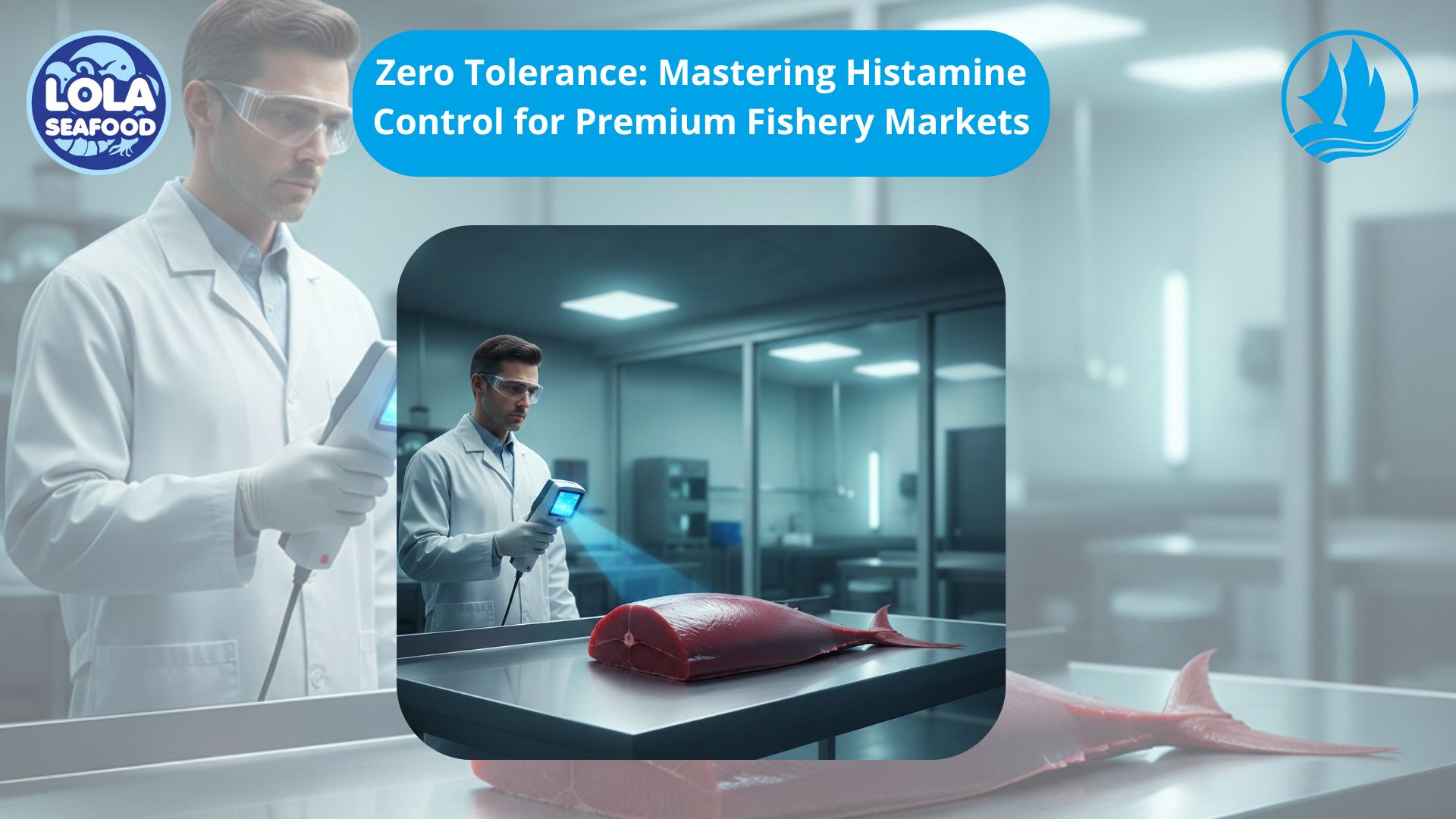
A cold chain is only as strong as its weakest link. Historically, the "blind spots" occurred during loading, unloading, and customs clearance. Our protocol eliminates these gaps through IoT-Integrated Monitoring.
Every shipment is equipped with smart sensors that transmit real-time data to a centralized dashboard. We monitor:
- Ambient Temperature: Maintaining a constant state within ±0.5°C.
- Atmospheric Composition: Utilizing Modified Atmosphere Packaging (MAP) to reduce oxygen levels, which prevents aerobic bacteria from growing.
- Vibration and Light: Ensuring physical integrity and preventing light-induced oxidation.
If a refrigerated container (reefer) deviates by even a single degree, an automated alert triggers an immediate corrective intervention. This level of transparency ensures that "zero-risk" is a measurable metric, not a marketing slogan.
Phase 3: Pathogen Elimination via Advanced Technology
Cold alone isn't always enough to guarantee safety, especially regarding vacuum-packed products. To achieve true zero-risk status, we integrate High-Pressure Processing (HPP) and Ozone Sanitization.
- Ozone Integration: During the processing phase, we use ozonated water. Ozone is a powerful, natural oxidant that kills 99.9% of surface pathogens and then reverts back to oxygen, leaving no chemical residue.
- HPP Technology: For specific high-risk items, we use "cold pasteurization." By applying extreme hydrostatic pressure, we can inactivate pathogens like Listeria and E. coli without using heat, preserving the raw taste and nutritional profile of the seafood.
The Economic and Environmental Impact
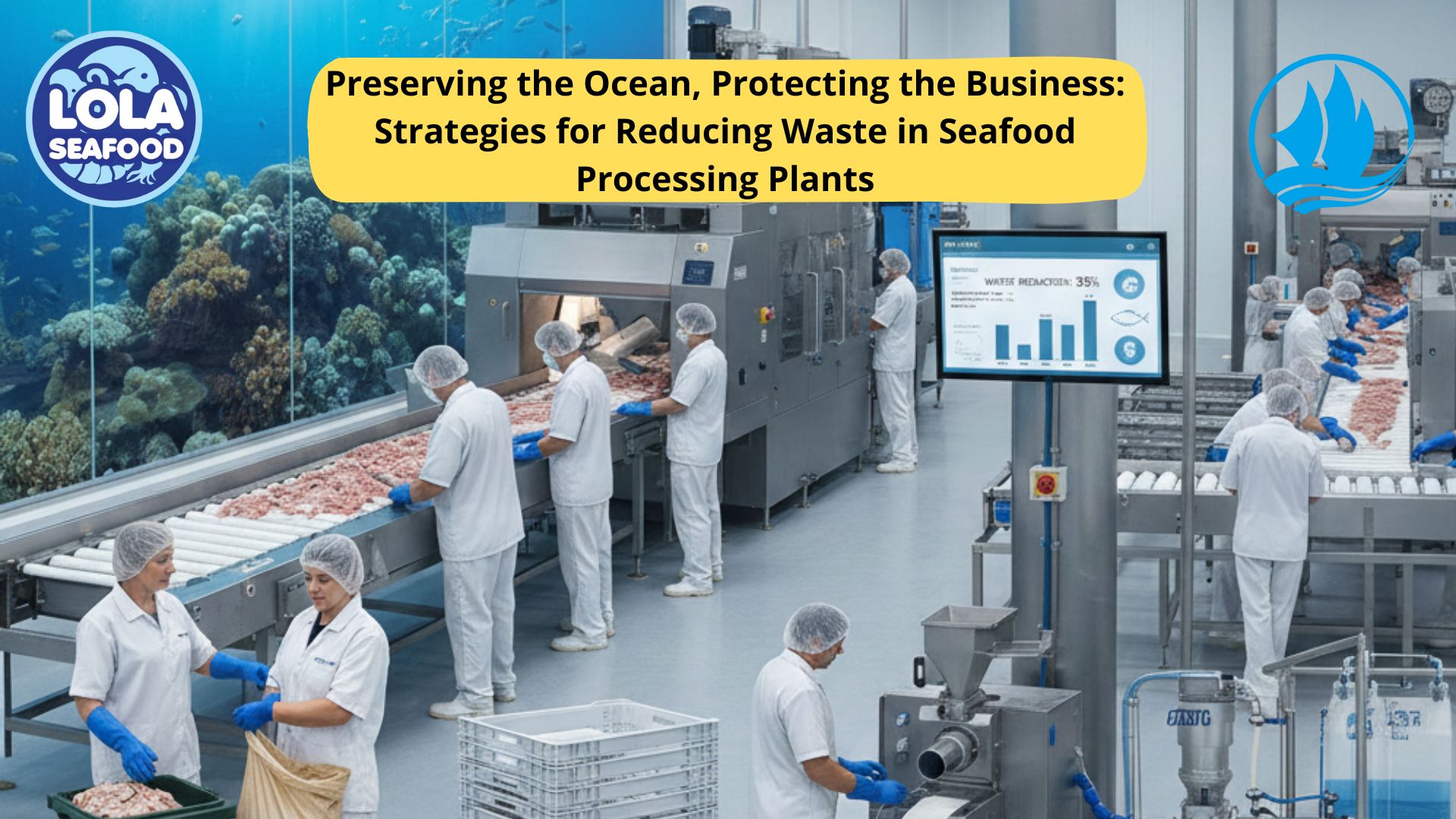
Eliminating spoilage isn't just a safety win; it’s a sustainability triumph. Global food waste is a crisis, with roughly 35% of harvested seafood lost to spoilage before it reaches the consumer.
|
Benefit |
Impact of Zero-Risk Protocol |
|
Waste Reduction |
Cuts post-harvest losses to near 0%. |
|
Shelf Life |
Extends premium quality life by up to 40%. |
|
Carbon Footprint |
Efficient logistics mean fewer "rush" air-freight shipments. |
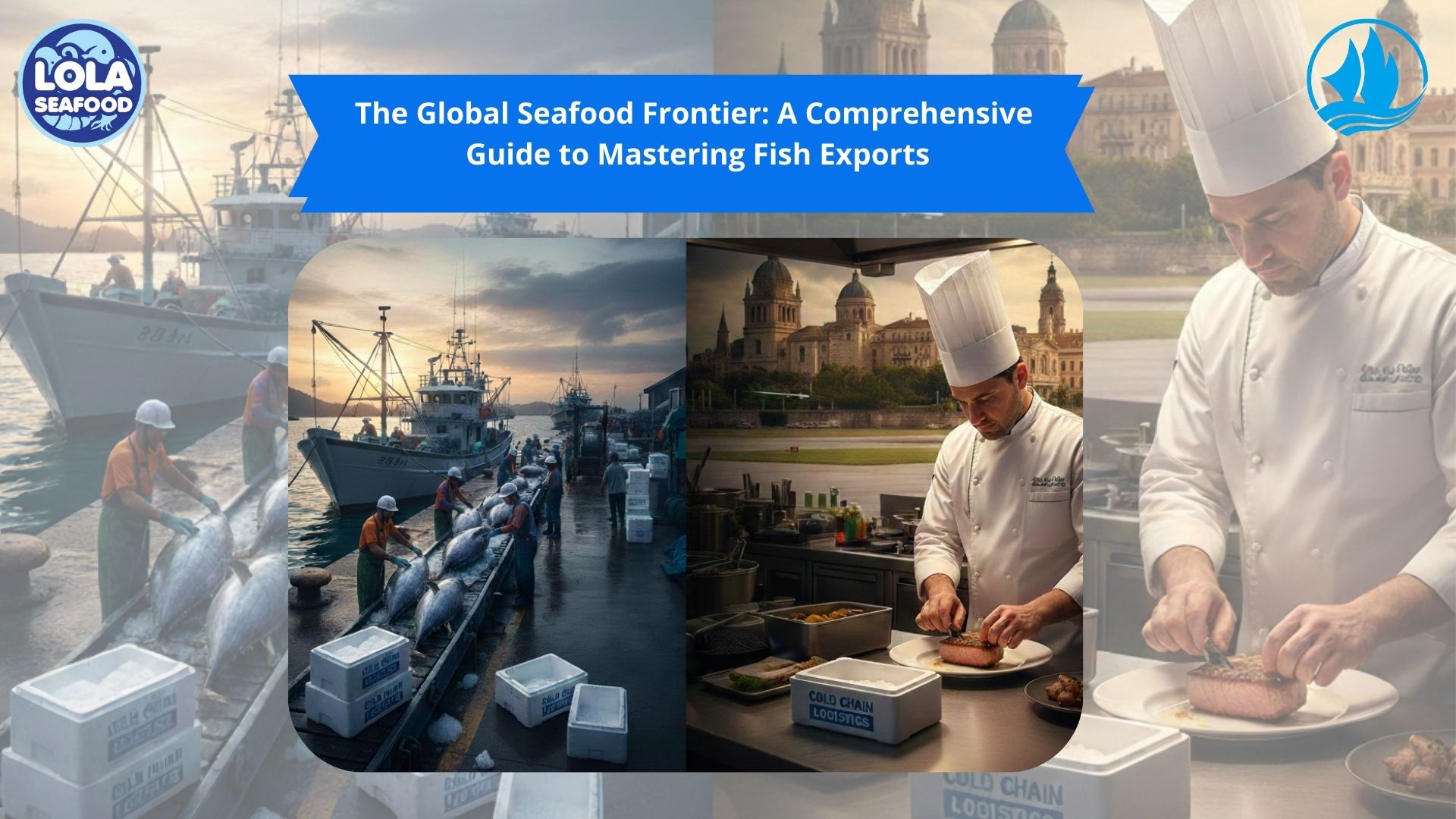
By perfecting the cold chain, we ensure that every life taken from the ocean serves its purpose: nourishing people.
 The Deep-Sea Treasure of High-Quality Protein.jpg)