The Global Seafood Frontier: A Comprehensive Guide to Mastering Fish Exports
By. Fajar - 03 Feb 2026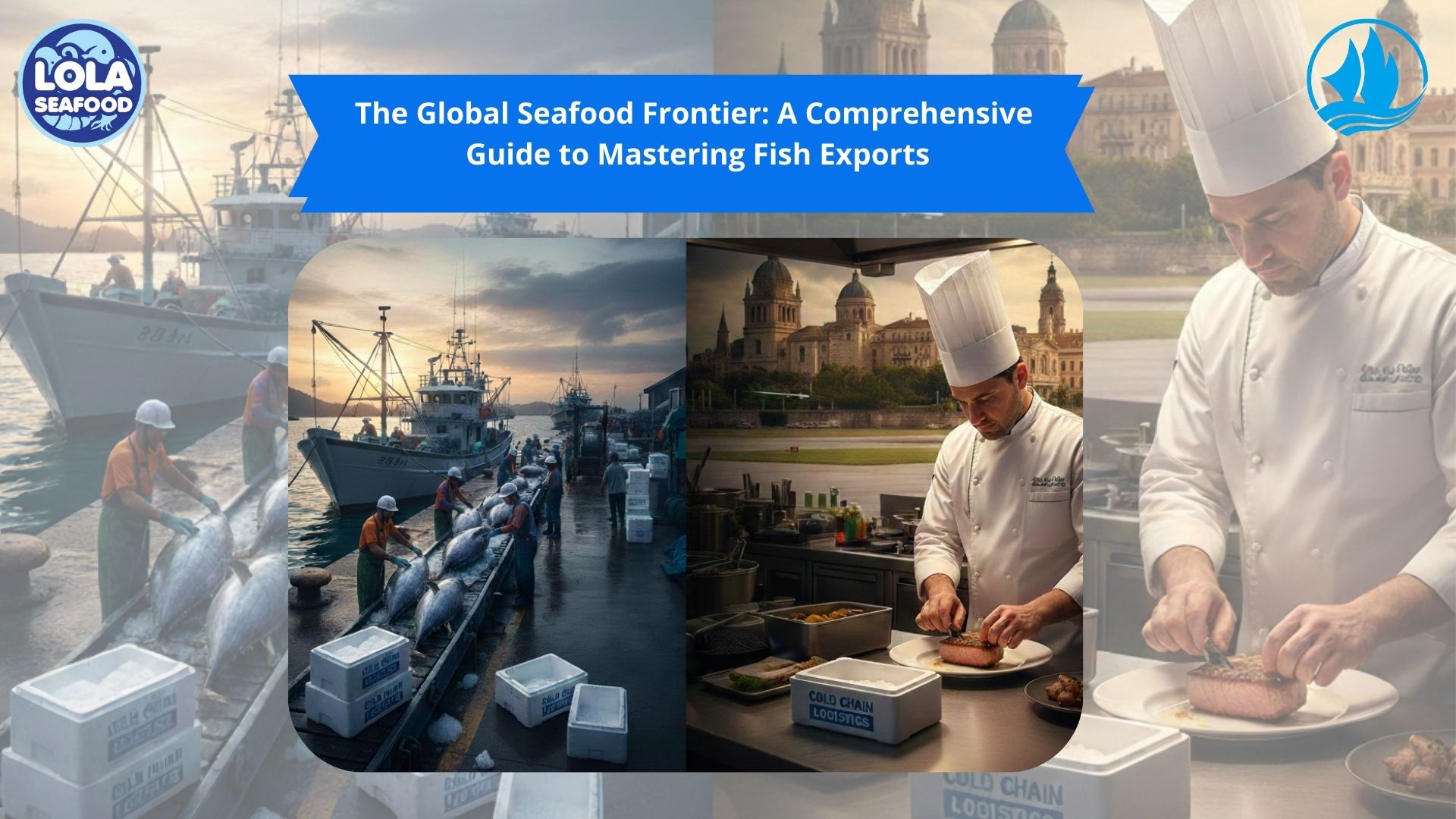
The Global Seafood Frontier: A Comprehensive Guide to Mastering Fish Exports
The global appetite for high-quality seafood is at an all-time high. From the sushi bars of Tokyo to the fine-dining establishments of Paris, the demand for fresh, sustainably sourced fish has turned the local fishing industry into a high-stakes international business. However, exporting fish isn't as simple as catching a tuna and putting it on a plane. It is a complex dance of logistics, stringent regulations, and uncompromising quality control.
To succeed in the competitive world of seafood exports, one must navigate the "cold chain," master international documentation, and build a brand rooted in trust. Here is a breakdown of how to export fish effectively and profitably.
1. Quality Starts at the Source
In the fish export business, quality is your primary currency. Unlike manufactured goods, seafood is highly perishable. The clock starts ticking the moment the fish leaves the water.
- Handling and Bleeding: Proper onboard handling is critical. Immediate chilling using a slurry of ice and seawater helps maintain flesh integrity.
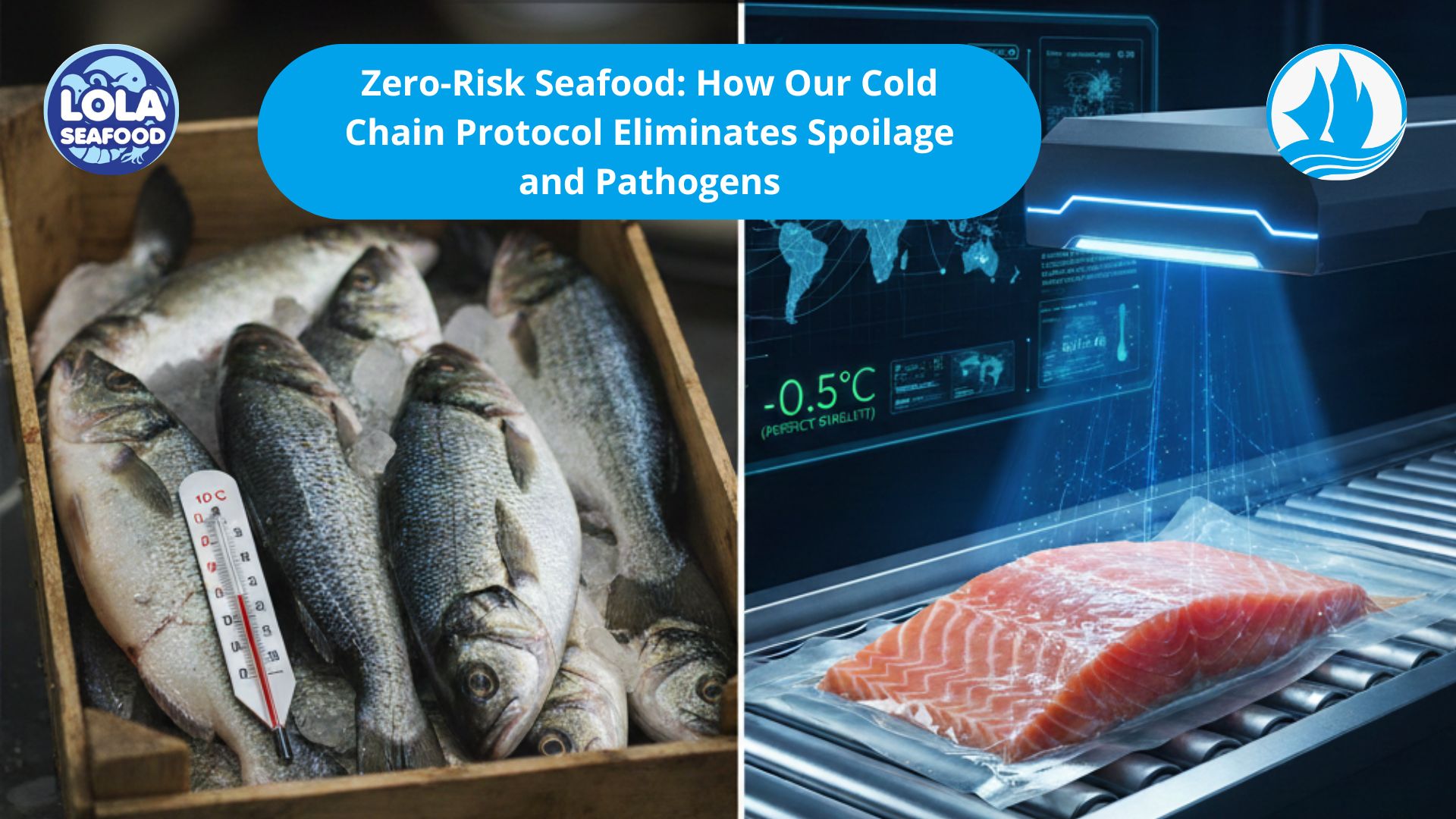
- Cold Chain Integrity: This is the "holy grail" of seafood exports. The temperature must remain constant from the processing facility to the final destination. A fluctuation of even a few degrees can trigger bacterial growth, leading to rejected shipments and massive financial losses.
- Processing Standards: Facilities must adhere to international standards like HACCP (Hazard Analysis and Critical Control Points). This system identifies potential hazards and implements strict controls to ensure food safety.
2. Navigating the Regulatory Maze
Every country has its own "gatekeepers." Exporting to the European Union (EU) requires different certifications than exporting to the United States or China.
- The EU Market: Known for having some of the strictest standards, the EU requires health certificates and proof that the fish was caught legally. "Illegal, Unreported, and Unregulated" (IUU) fishing regulations are strictly enforced.
- The US Market (FDA): The Food and Drug Administration requires detailed labeling and adherence to the Seafood Import Monitoring Program (SIMP) for specific species to prevent seafood fraud.
- Traceability: Modern buyers want to know exactly where their fish came from. Implementing digital traceability—where a QR code can tell a buyer the vessel name, catch date, and location—is no longer a luxury; it’s becoming a requirement.
3. Packaging: The Shield of the Product
Packaging for export must serve two purposes: protection and insulation.
- Styrofoam (EPS) Boxes: These remain the industry standard for air freight due to their excellent insulating properties.
- Gel Packs vs. Dry Ice: While gel packs are common, exporters must be careful with dry ice as it is classified as a "dangerous good" in air travel due to carbon dioxide emission.
- Vacuum Sealing: For frozen fillets, vacuum sealing prevents freezer burn and extends shelf life significantly, making the product more attractive to retailers.
4. Choosing the Right Logistics Partner
You can have the best fish in the world, but if your freight forwarder misses a connection, your product becomes expensive fertilizer.
|
Shipping Method |
Best For |
Pros |
Cons |
|
Air Freight |
Fresh, high-value species (Tuna, Salmon) |
Speed; reaches global markets in 24-48 hours. |
Very expensive; limited volume. |
|
Sea Freight |
Frozen bulk products (Shrimp, Mackerel) |
Cost-effective; high capacity. |
Slower (weeks); requires "Reefer" (refrigerated) containers. |
Pro-tip: Always ensure your logistics provider has experience in "Perishables." They understand that a delay at customs isn't just an inconvenience—it's an emergency.
5. Sustainability as a Selling Point
The modern consumer is environmentally conscious. Overfishing is a global concern, and buyers are increasingly looking for labels like MSC (Marine Stewardship Council) or ASC (Aquaculture Stewardship Council).
By committing to sustainable practices, you aren't just saving the ocean; you are accessing "premium" markets. Sustainably certified fish often fetches a 10-15% higher price than non-certified alternatives.
6. Building International Relationships
Exporting is a marathon, not a sprint. Success depends on the strength of your relationship with your importers.
- Transparency: If a shipment is delayed or the catch size is smaller than expected, communicate early.
- Samples: Send high-quality samples to potential buyers. Let the product speak for itself.
- Trade Shows: Attending events like the Seafood Expo Global in Barcelona or the Boston Seafood Show is essential for networking and understanding market trends.
 The Deep-Sea Treasure of High-Quality Protein.jpg)