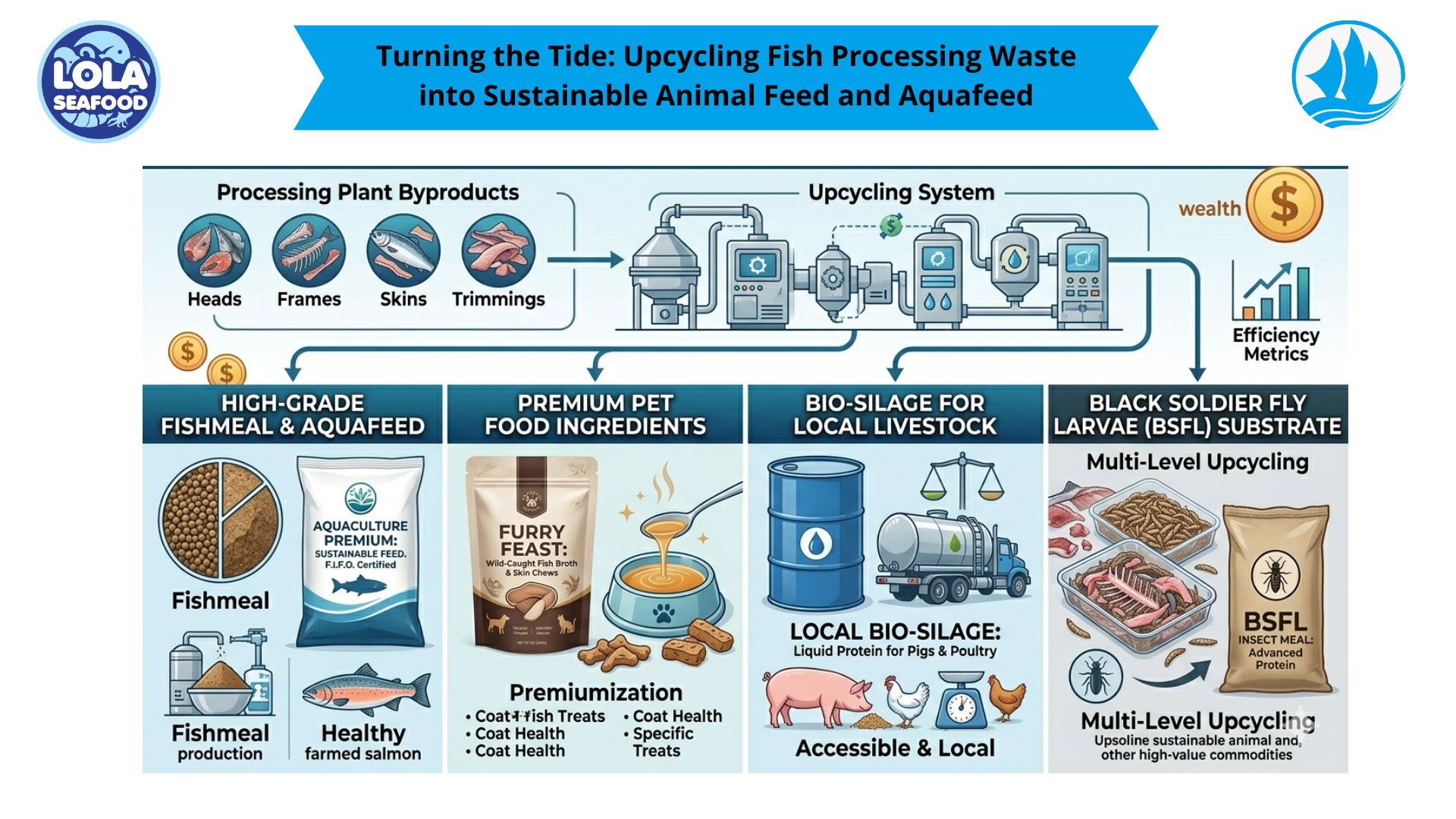
The Blue Frontier: Why Bonito Processing is the Next High-Yield Investment Opportunity
By. Nugroho Luhur - 06 Feb 2026
kelolalaut.com The global seafood market is undergoing a seismic shift. As consumers worldwide pivot toward high-protein, low-fat diets, the demand for affordable and sustainable marine resources has skyrocketed. At the heart of this surge lies Bonito—locally known in Southeast Asia as Ikan Tongkol. For the savvy investor, this species represents more than just a staple food; it is a high-volume commodity ripe for industrial scale-up and value-added processing.
The Underserved Goldmine
Bonito tuna is one of the most resilient and abundant tuna species in the world’s oceans. Unlike its larger cousins, the Bluefin or Bigeye tuna, Bonito matures quickly and reproduces prolifically. This biological advantage ensures a consistent supply chain—a critical factor for any industrial processing operation.
However, the current market gap lies in hilirisasi (downstream processing). While raw catch volumes are massive, much of the harvest is still traded as low-value raw material. The transition from "catching" to "processing" is where the most significant profit margins are hidden. By investing in modern processing facilities, investors can capture the value-add that is currently being lost to overseas middlemen.
Strategic Market Drivers
Several factors make the "Tongkol" industry a compelling addition to a diversified investment portfolio:
- Explosive Growth in Ready-to-Eat (RTE) Markets: Modern urban lifestyles have fueled a demand for convenient protein. Canned Bonito, vacuum-packed pouches, and pre-seasoned tuna flakes are seeing double-digit growth in emerging markets.
- Health Consciousness: As a rich source of Omega-3 fatty acids and high-quality protein, Bonito fits perfectly into the "food as medicine" trend.
- The Rise of Pet Humanization: The premium pet food industry is booming. Bonito red meat—often a byproduct of human-grade processing—is a primary ingredient for high-end cat and dog food, ensuring zero-waste profitability.
Technological Intervention: Efficiency Equals ROI
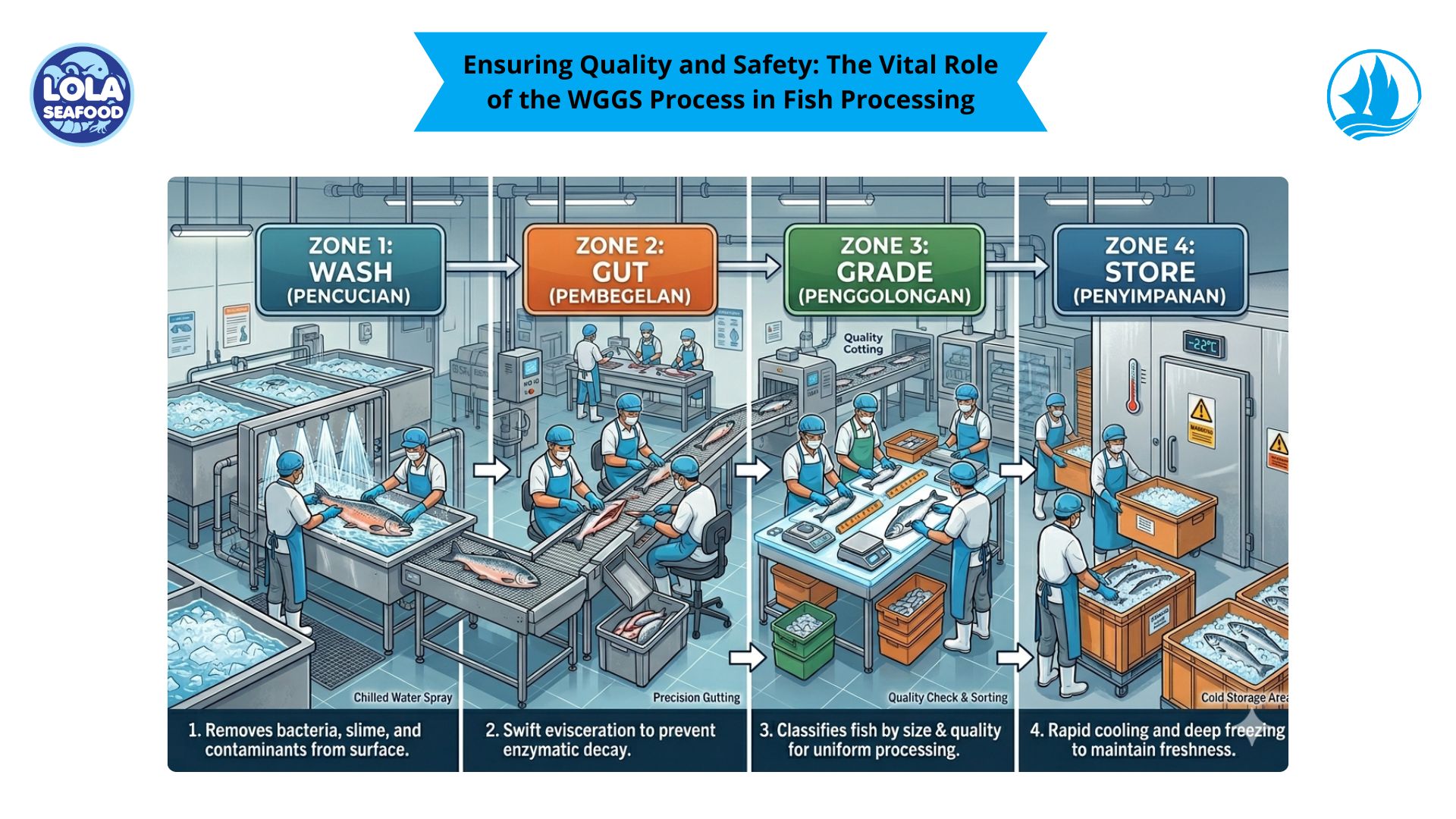
The traditional seafood industry is often plagued by inefficiencies and post-harvest losses. Investment in a modern Bonito processing plant offers a "first-mover" advantage through the implementation of:
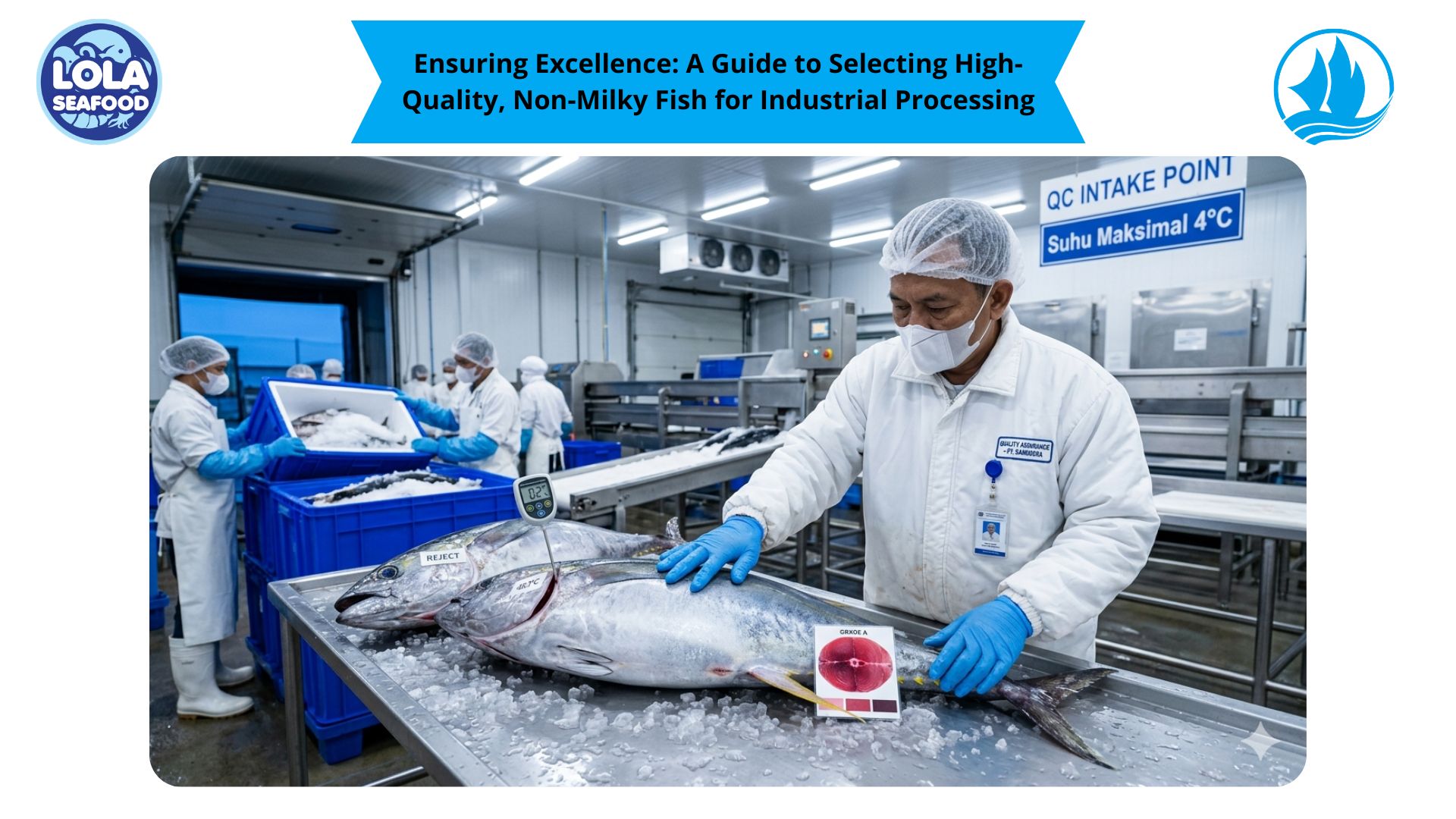
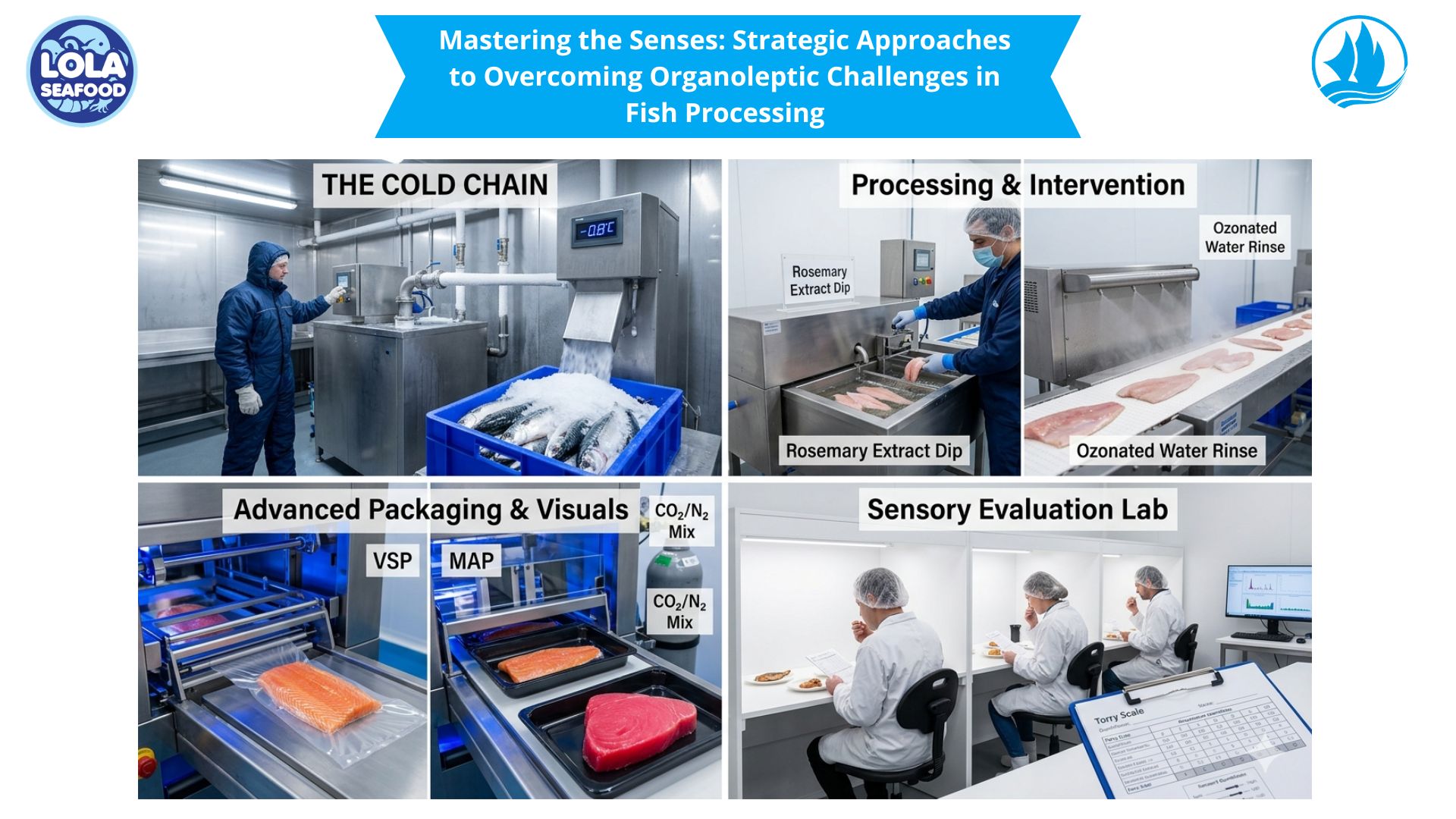
- Cold Chain Integrity: Utilizing advanced IQF (Individually Quick Frozen) technology to maintain sashimi-grade quality from the vessel to the consumer.
- Automated Processing Lines: Reducing labor costs and increasing precision in filleting and skinning, which significantly improves yield per fish.
- Traceability Systems: Utilizing blockchain or IoT sensors to track fish from "hook to fork." In 2026, transparency isn't just a buzzword; it’s a requirement for premium pricing in European and North American markets.
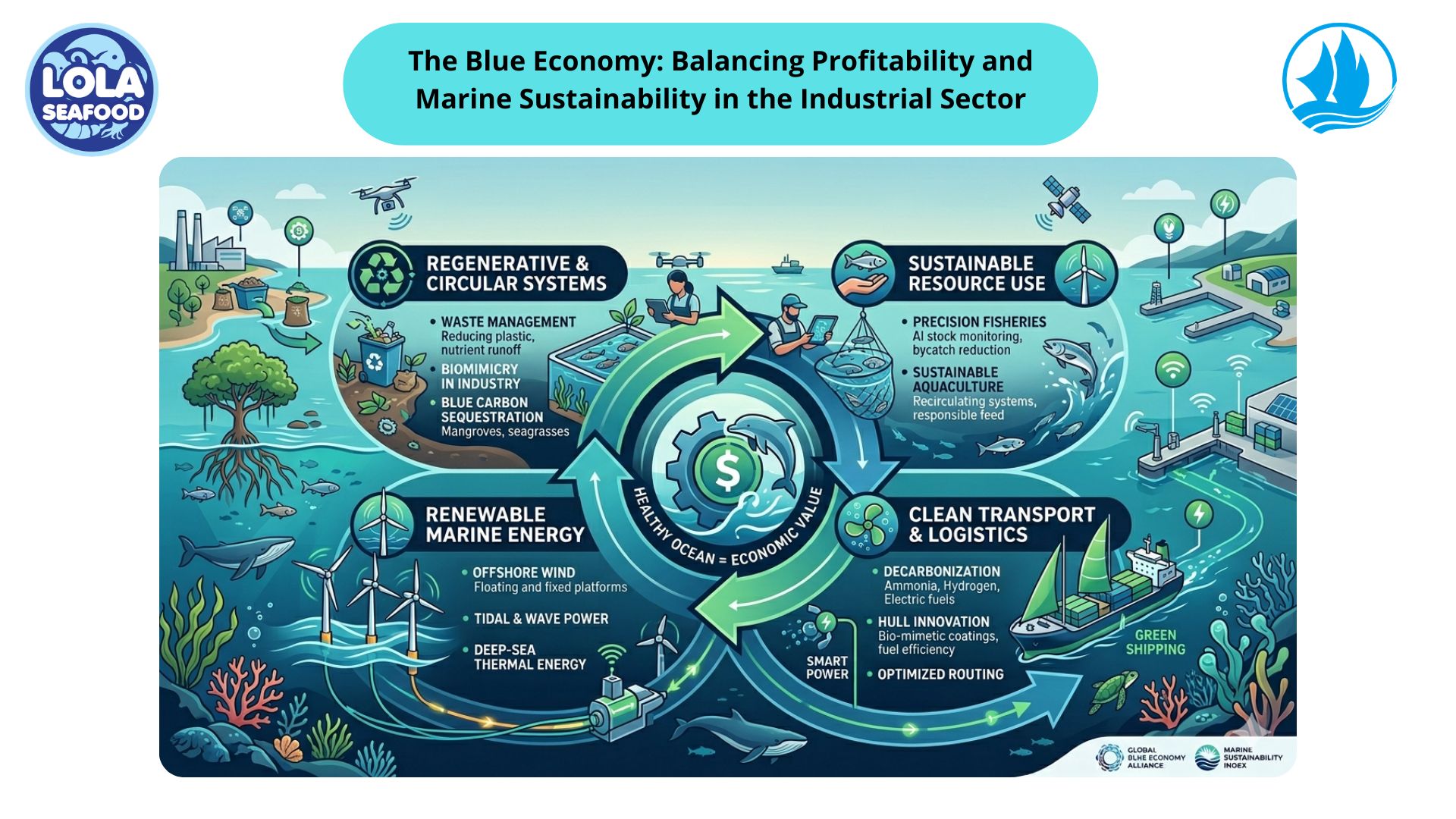
Sustainability as a Competitive Edge
Today’s investors are increasingly governed by ESG (Environmental, Social, and Governance) criteria. The skipjack industry is uniquely positioned here. Because Bonito stocks are generally healthier than other tuna species, they are the "green choice" for eco-conscious retailers.
An investment in a facility that utilizes "pole and line" or "handline" sourcing can command a 20-30% price premium in international markets. By aligning profit with planetary health, investors can mitigate regulatory risks and tap into dedicated "green" capital funds.
Financial Outlook and Scalability
The economics of skipjack processing are built on volume and diversification. A standard processing hub can branch into three distinct revenue streams:
- Primary: Frozen loins and canned tuna for export.
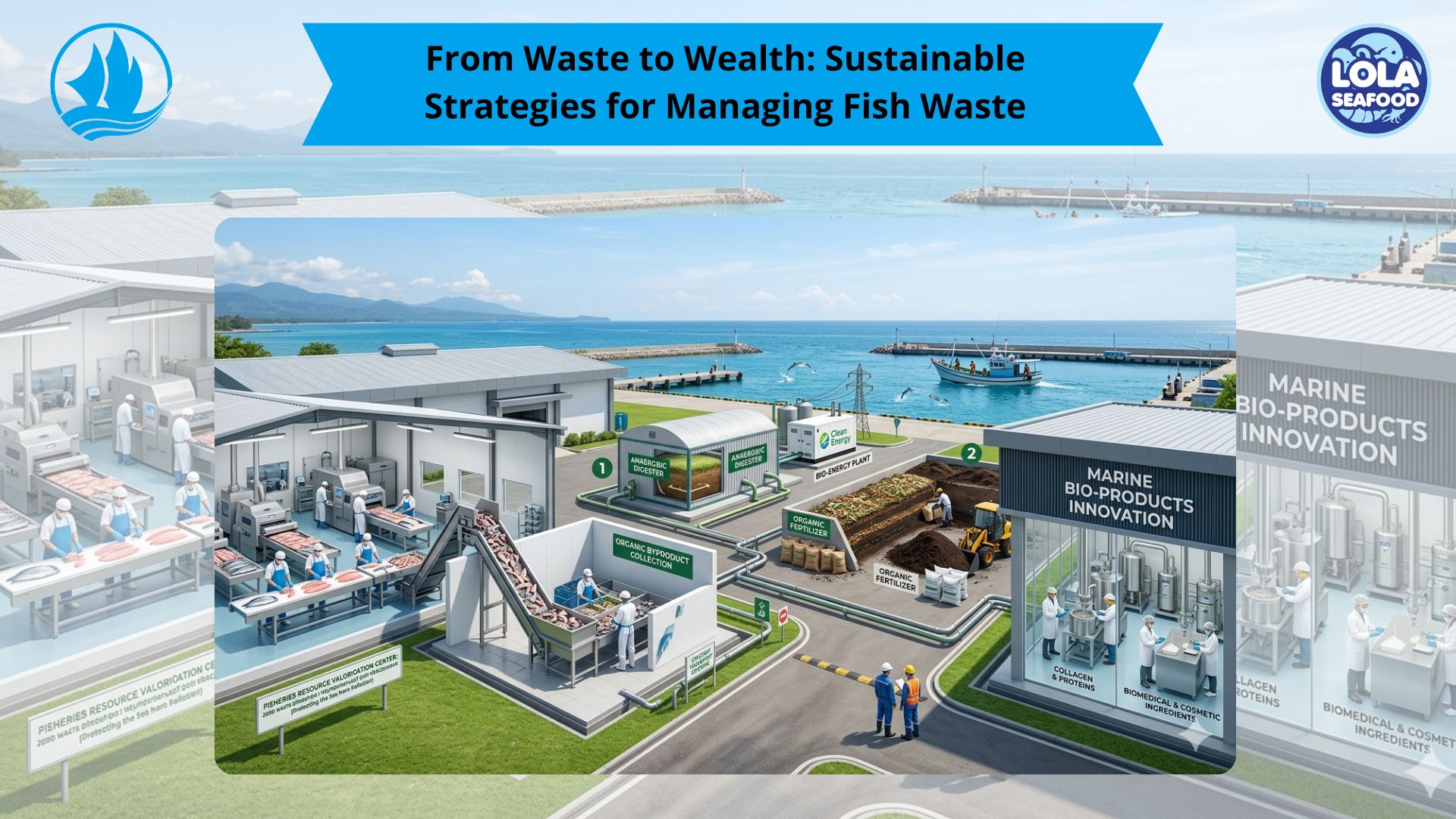
- Secondary: Fish meal and fish oil for the aquaculture industry (utilizing heads and viscera).
- Tertiary: Collagen and bioactive peptides for the nutraceutical and cosmetic industries.
This "circular economy" model minimizes waste and maximizes the Revenue per kg of raw material. With the global tuna market projected to reach a multi-billion dollar valuation by the end of the decade, the window for entry is narrowing.
If youre interested in our Bonito Fillet Portion Cut, Bonito Fillet Loin, Bonito Whole Round please do not hesitate to contact us through email and/or Whatsapp
.jpg)