From Waste to Wealth: Sustainable Strategies for Managing Fish Waste
By. Fajar - 13 Apr 2026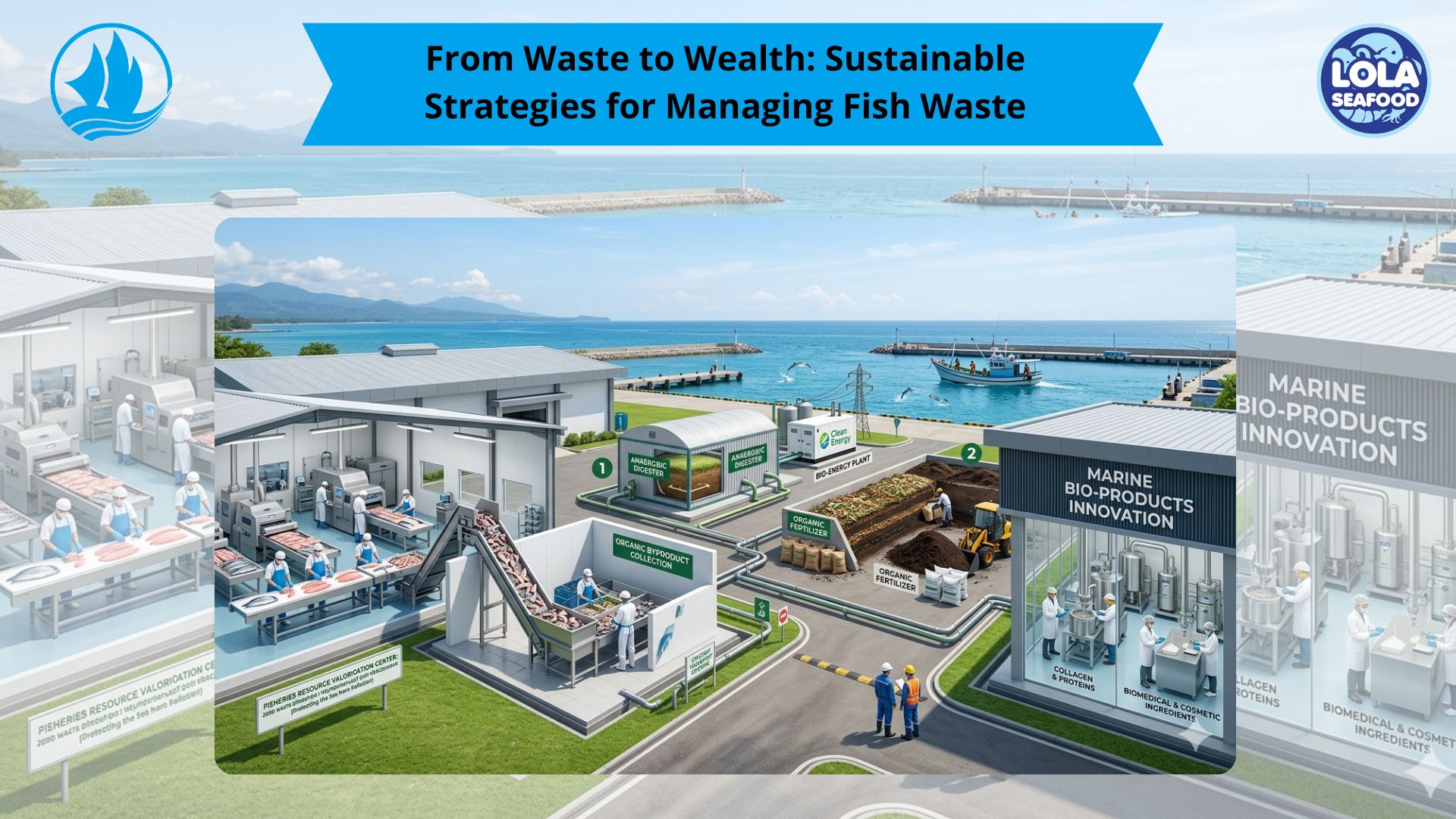
kelolalaut.com The global fishing industry is a vital pillar of food security, providing billions of people with essential proteins and nutrients. However, this massive industry carries a significant environmental footprint that often goes unnoticed: fish waste. It is estimated that nearly 35% to 70% of a fish’s weight is discarded during processing. This includes heads, bones, scales, skins, and viscera.
When managed poorly, this organic byproduct becomes a potent pollutant. However, with modern innovation and a shift toward a circular economy, fish waste can be transformed from an environmental liability into a valuable resource.
The Environmental Toll of Mismanaged Waste
Traditionally, fish processing plants have disposed of remnants by dumping them into large bodies of water or sending them to landfills. While it may seem "natural," the sheer volume of concentrated organic matter creates devastating ecological effects:
- Eutrophication: As fish waste decomposes in water, it releases high levels of nitrogen and phosphorus. This fuels massive algal blooms that deplete oxygen levels, leading to "dead zones" where aquatic life cannot survive.
- Pathogen Spread: Untreated waste can harbor bacteria and parasites, potentially infecting wild fish populations and contaminating local water supplies.
- Greenhouse Gas Emissions: In landfills, fish waste decomposes anaerobically (without oxygen), producing methane—a greenhouse gas significantly more potent than carbon dioxide in trapping heat in the atmosphere.
Turning the Tide: Sustainable Solutions
To prevent environmental degradation, we must stop viewing fish remnants as "trash" and start seeing them as "raw materials." Here are the most effective ways to manage fish waste sustainably:
1. The Production of Fishmeal and Fish Oil
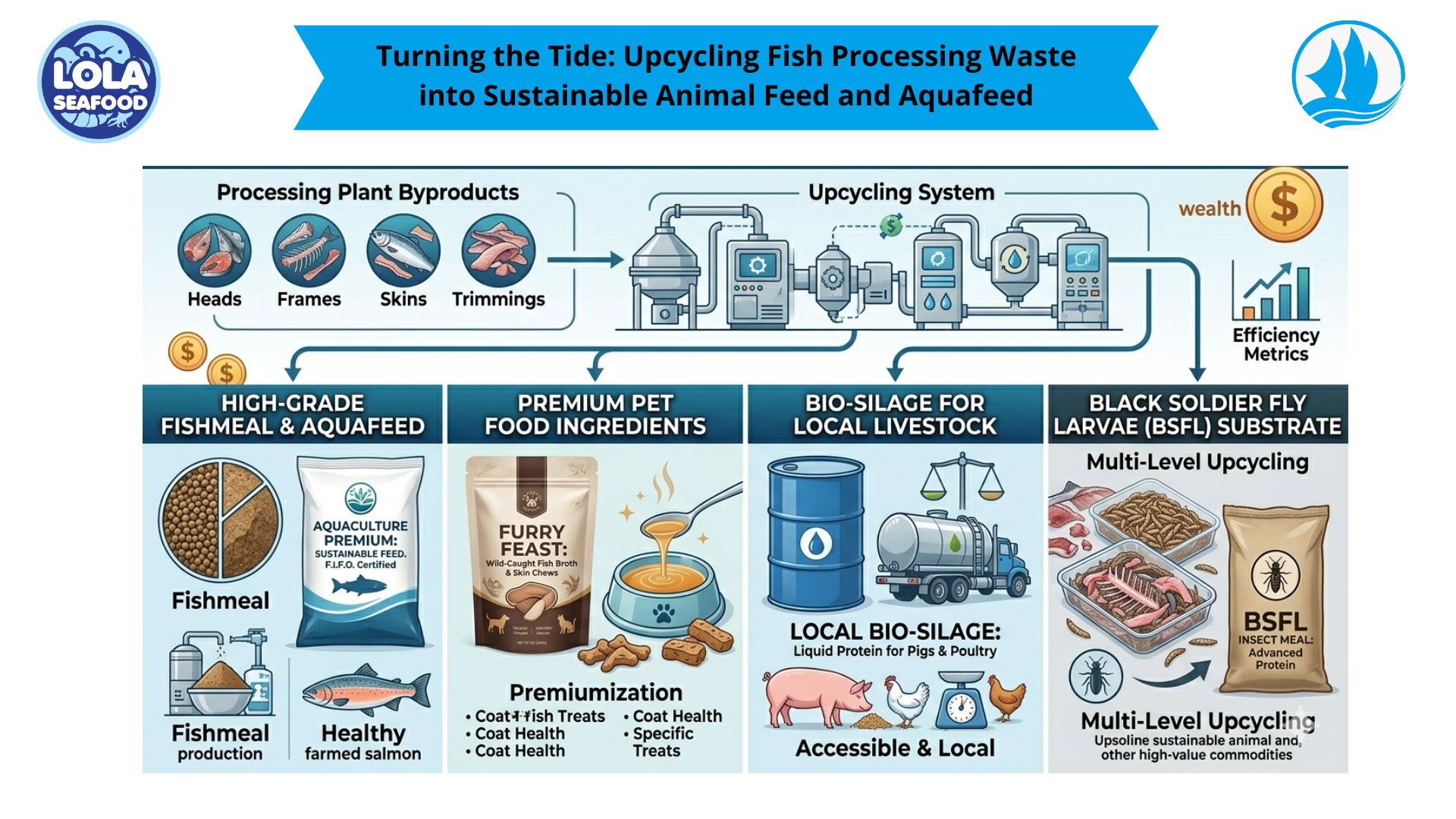
One of the most established methods is "rendering." By cooking, pressing, and drying fish waste, processors can create fishmeal and fish oil. These are high-protein components used extensively in aquaculture and livestock feed. This creates a closed-loop system where the waste from human food production supports the growth of the next generation of food.
2. Organic Fertilizers and Composting
Fish waste is an extraordinary source of nutrients for soil. When composted correctly with carbon-rich materials like wood chips or straw, it breaks down into a rich, odorless fertilizer. Fish emulsion—a liquid fertilizer—is also popular in organic farming because it provides a quick burst of nitrogen, phosphorus, and potassium, along with essential trace minerals that synthetic fertilizers often lack.
3. Bio-Energy Production
In the quest for renewable energy, fish waste has emerged as a surprising hero. Through anaerobic digestion, the organic matter is broken down by bacteria in a controlled environment to produce biogas. This gas can be used to generate electricity or heat for the processing plants themselves, significantly reducing their carbon footprint and energy costs.
4. High-Value Biomedical and Cosmetic Applications,
The "Blue Economy" is finding sophisticated uses for fish parts that go far beyond fertilizer:
- Collagen: Extracted from fish scales and skin, marine collagen is highly prized in the cosmetic and medical industries for skin regeneration and joint health.
- Chitin and Chitosan: Derived from the shells of crustaceans, these materials are used in water filtration, biodegradable packaging, and even wound dressings.
- Enzymes: Fish viscera are rich in enzymes like proteases, which are harvested for use in food processing and detergents.
Implementing a "Zero Waste" Framework
For these solutions to work, a shift in infrastructure and mindset is required. Small-scale fisheries and large industrial plants alike must adopt a Zero Waste framework. This involves:
- Source Separation: Keeping different types of waste (e.g., skins vs. viscera) separate at the point of processing to make high-value extraction easier.
- Cold Chain Management: Treating waste with the same hygiene and temperature controls as the fish fillets. This prevents the degradation of proteins and oils, ensuring the "waste" remains a high-quality ingredient for other industries.
- Policy and Regulation: Governments must play a role by banning the dumping of fish waste in oceans and providing incentives for companies that invest in upcycling technologies.
The challenge of fish waste is a classic example of an environmental problem hiding a golden opportunity. By moving away from primitive disposal methods and embracing biotechnological innovations, we can protect our oceans from pollution while creating new jobs and sustainable products.
The goal is simple: nothing should go to waste. When we treat the whole fish with respect—from the fillet on our plate to the scales on the floor—we move one step closer to a truly sustainable relationship with our planet’s aquatic resources. Turning "waste" into "wealth" is not just an economic savvy move; it is an ecological necessity for the future of our blue planet.
If youre interested in our Whiting Fish Whole Round,Barramundi Fillet Skin On,Catfish Fillet Skinless,Cobia Fillet Skinless,Coral Trout Fillet Skin On,Barramundi Whole Round / Whole Gilled Gutted Scaled,Corvina / Croaker / Jew Fish Whole Round / Whole Gilled Gutted Scaled,Black Pomfret Whole Round,Red / Scarlet Snapper Fillet Portion,Parrotfish Fillet Skinless,Baby Octopus Flower please do not hesitate to contact us through email and/or Whatsapp
.jpg)