From Ocean to Plate: The Sophisticated Processing of Crimson Snapper
By. Ely Kusniawati - 23 Feb 2026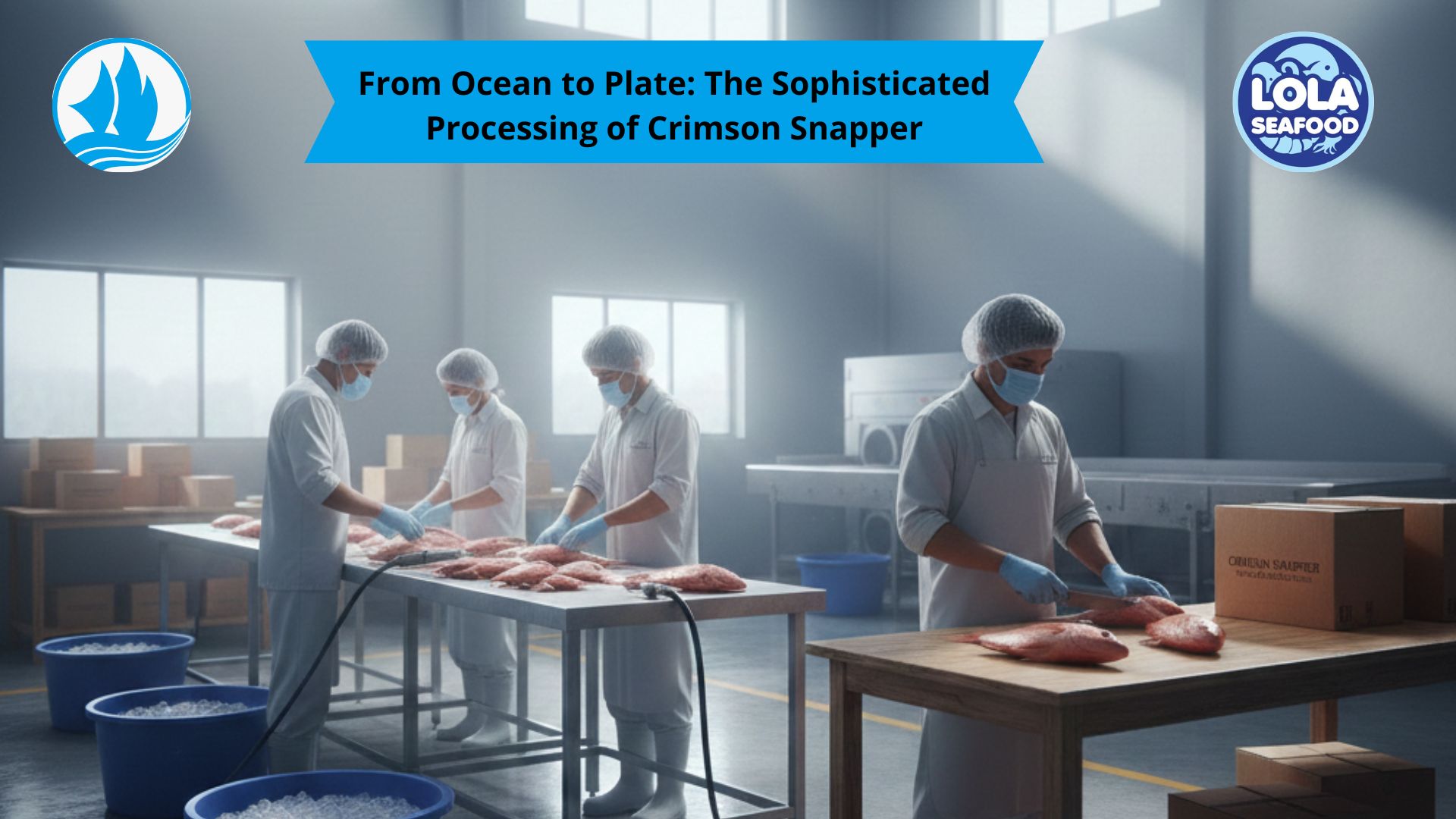
kelolalaut.com The Crimson Snapper (Lutjanus erythropterus), known for its vibrant hue and delicate, sweet flesh, is a crown jewel of the Indo-Pacific seafood trade. As global demand for premium whitefish grows, the industry surrounding this species has evolved from simple pier-side sales into a high-tech, precision-driven processing powerhouse.
Processing Crimson Snapper is a race against time, where the primary goal is to arrest enzymatic activity and bacterial growth to preserve the "just-caught" quality that high-end restaurants and retailers demand.
1. The Critical First Step: Harvest and Cold Chain
The journey begins the moment the fish leaves the water. In modern industrial operations, Initial Chilling is non-negotiable. Leading vessels utilize Slush Ice or Refrigerated Sea Water (RSW) systems to bring the core temperature of the fish down to 0oC almost instantly.
This rapid cooling prevents "gaping"—a structural breakdown of the muscle tissue—and ensures the skin retains its signature crimson brilliance. Once the vessel docks, the fish are transported in insulated bins to the processing facility, where the formal industrial workflow begins.
2. Primary Processing: Precision and Hygiene
Upon arrival at the facility, the fish undergo a rigorous Receiving and Grading phase. Quality control officers inspect each batch for size, clarity of the eyes, and firmness of the flesh.
The Cleaning Phase
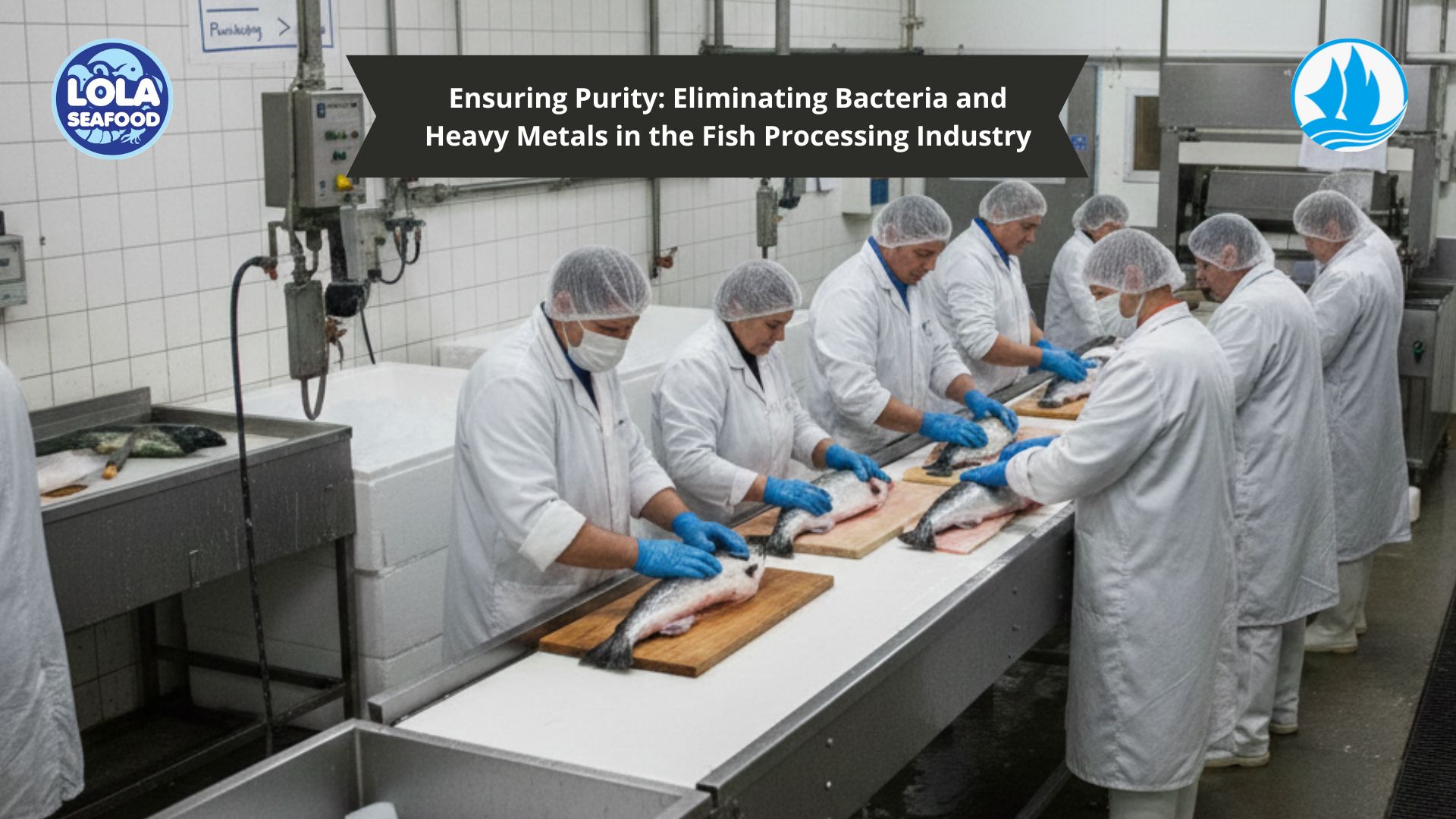
- Washing: Fish are sanitized using chilled, chlorinated water or ozonated water to remove surface bacteria.
- Scaling and De-heading: While some markets prefer whole fish, most industrial lines use automated descaling machines that use high-pressure water jets or rotating brushes to remove scales without tearing the delicate skin.
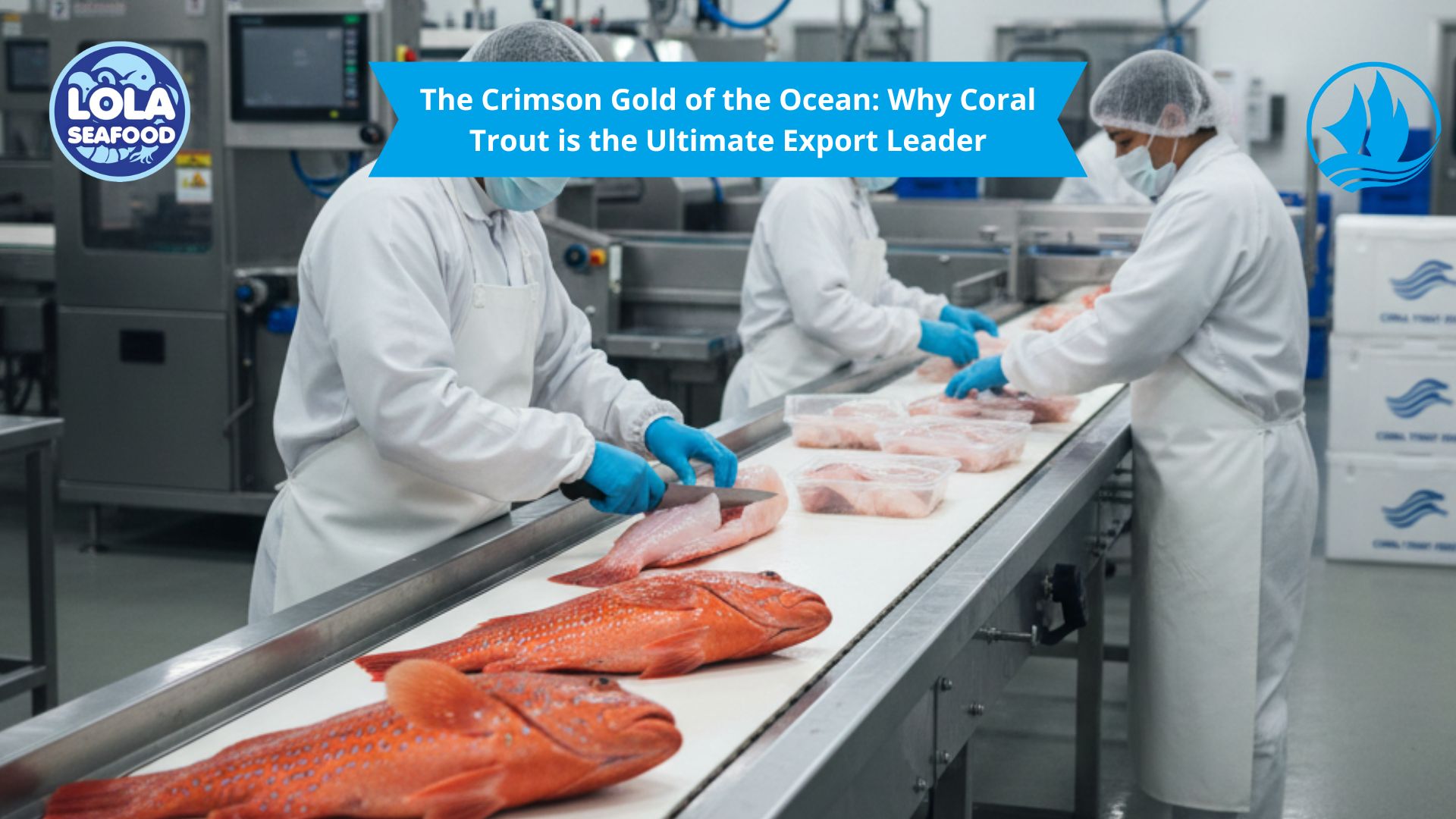
- Gutting and Filleting: This is where craftsmanship meets industrial scale. While many plants use automated filleting machines, high-grade Crimson Snapper is often hand-filleted by skilled workers to maximize yield and ensure the "bloodline" is perfectly trimmed.
3. Value-Added Transformations
The industry has shifted significantly toward Value-Added Products (VAP). Instead of shipping whole fish, processors now create customized cuts to meet specific market needs:
|
Product Form |
Target Market |
Key Feature |
|
Skin-on Fillets |
High-end Retail |
Preserves the iconic red color for display. |
|
Portion-Controlled Cuts |
Food Service/Chains |
Exact weight (e.g., 6oz) for consistent cooking. |
|
Deep-Skinned Fillets |
Industrial Catering |
Removes the fat layer for a milder flavor profile. |
During this stage, many processors employ CO (Carbon Monoxide) Treatment (where permitted) or vacuum-sealing to "fix" the red pigment of the skin, ensuring it doesn't dull during the freezing process.
4. Preservation: The Science of Freezing
To ship Crimson Snapper globally—from Southeast Asian waters to dinner tables in New York or Sydney—freezing technology is paramount. The industry relies on Individual Quick Freezing (IQF).
In an IQF tunnel, fillets move on a conveyor belt while blasted with nitrogen or CO2 at temperatures as low as -40o C. This rapid freezing prevents the formation of large ice crystals that would otherwise puncture cell membranes. When the consumer thaws an IQF Crimson Snapper fillet, the cellular integrity remains intact, resulting in a texture nearly indistinguishable from fresh fish.
To prevent freezer burn, a "Glazing" process is applied—a thin, protective layer of ice that acts as a barrier against oxygen.
5. Quality Assurance and Sustainability
In 2026, processing is no longer just about the physical fish; it’s about data. Traceability is the backbone of the Crimson Snapper industry.
- HACCP Compliance: Facilities operate under Hazard Analysis and Critical Control Points (HACCP) protocols to monitor biological and chemical risks.
- Blockchain Tracking: Many processors now use QR codes on packaging. A scan reveals which vessel caught the fish, the GPS coordinates of the catch, and the exact time it was processed.
- Waste Management: The industry is increasingly "zero-waste." Frames (bones), heads, and guts are processed into high-protein fish meal for aquaculture or extracted for fish oils, ensuring that the Crimson Snapper resource is utilized to its fullest extent.
If youre interested in our Goldband / Crimson Snapper Fillet Portion Cut , Goldband / Crimson Snapper Fillet Skin On ,Goldband / Crimson Snapper Whole Round / Whole Gilled Gutted Scaled please do not hesitate to contact us through email and/or Whatsapp