Navigating the Blue Frontier: Strategies to Boost Indonesia's Pelagic Fish Competitiveness in Global Markets
By. Lutfi - 03 Mar 2026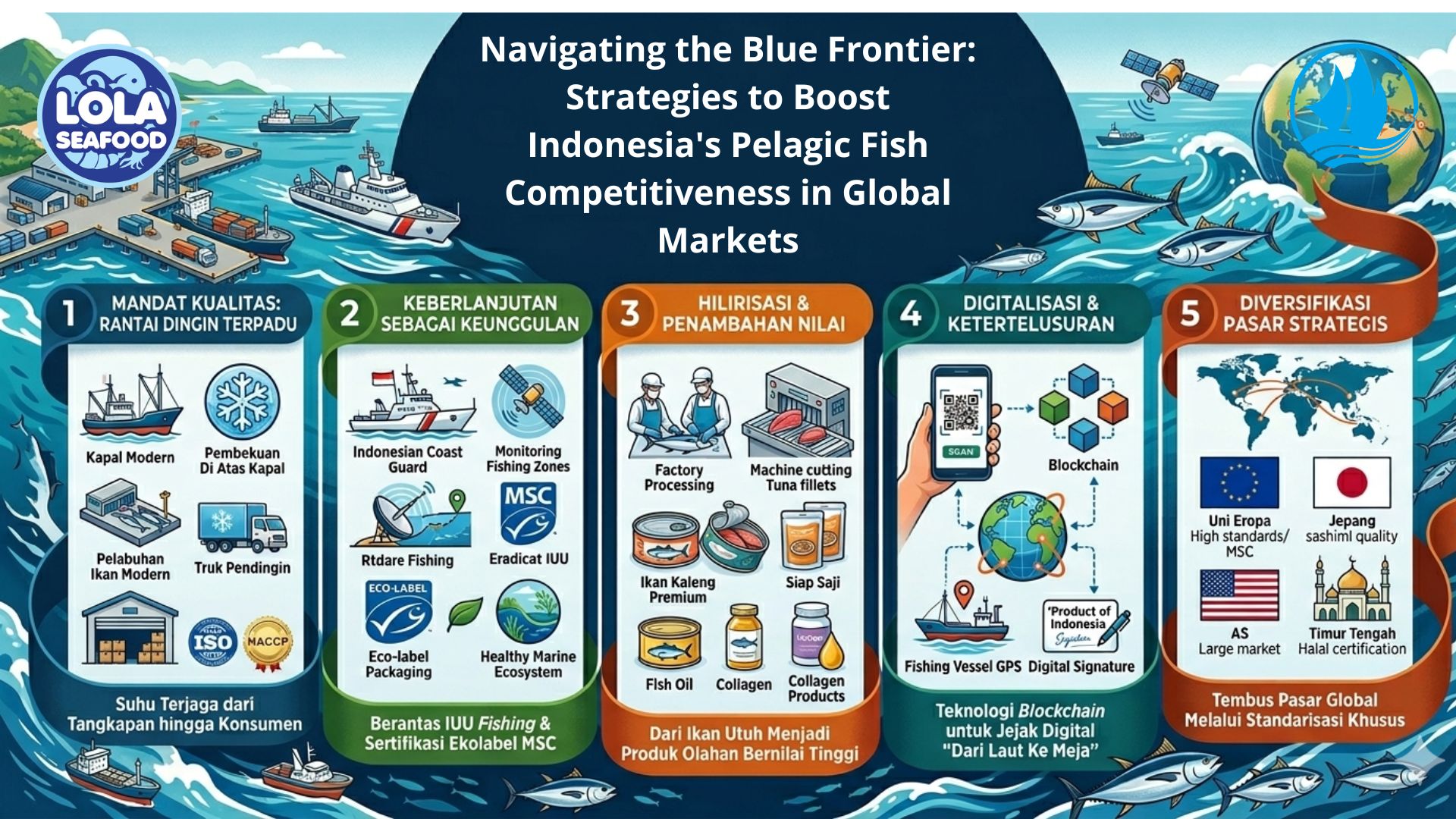
kelolalaut.com Indonesia, the world’s largest archipelagic nation, sits atop a "gold mine" of marine resources. Among its most prized assets are pelagic fish—species like tuna, mackerel, sardines, and skipjack that inhabit the upper layers of the ocean. While Indonesia is already a top global producer, the transition from being a "volume leader" to a "value leader" remains a significant challenge. To truly penetrate and dominate high-end export markets like the EU, Japan, and the US, a multifaceted strategy focusing on quality, sustainability, and technological integration is essential.
1. The Quality Mandate: From Catch to Cold Chain
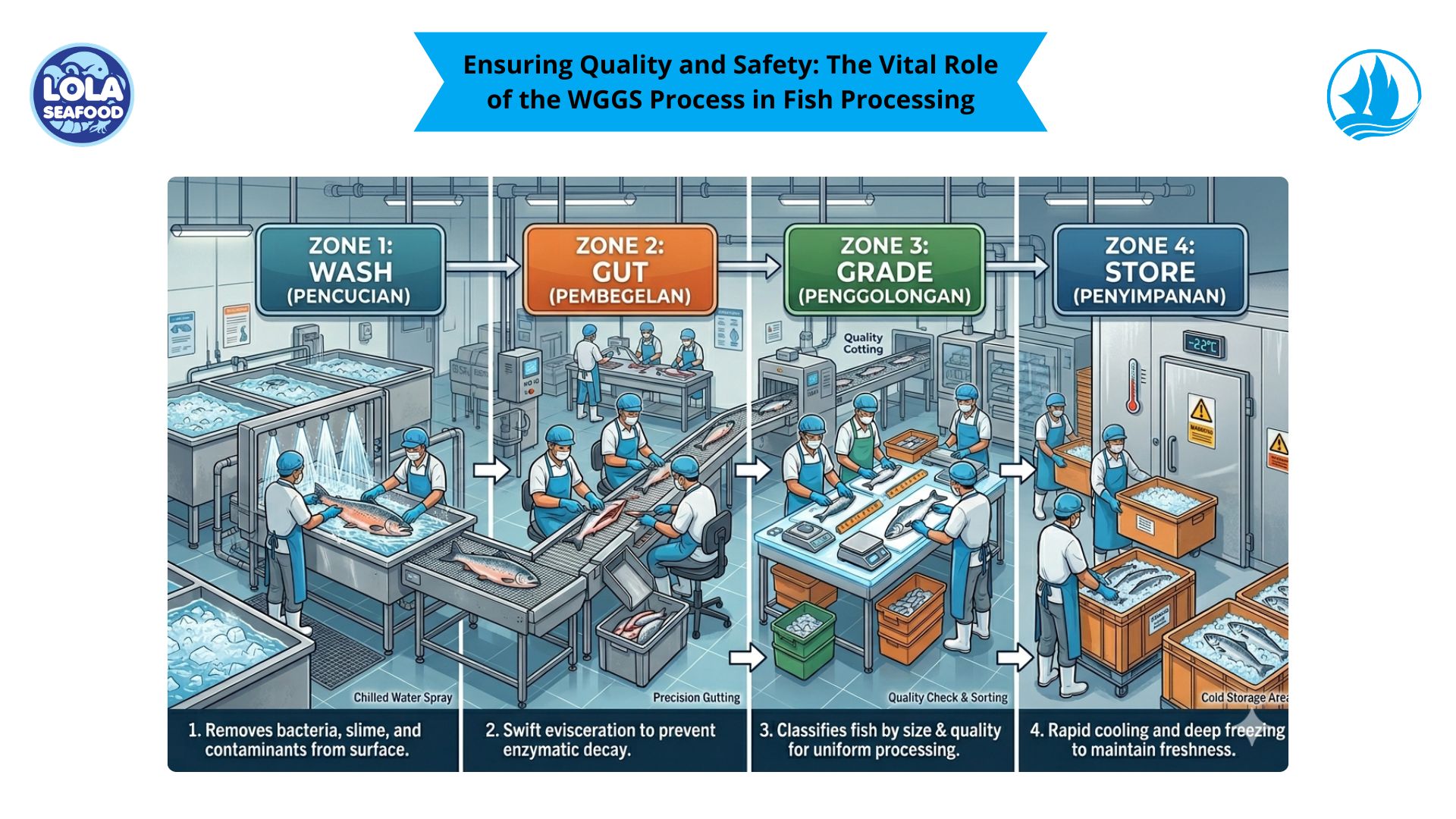
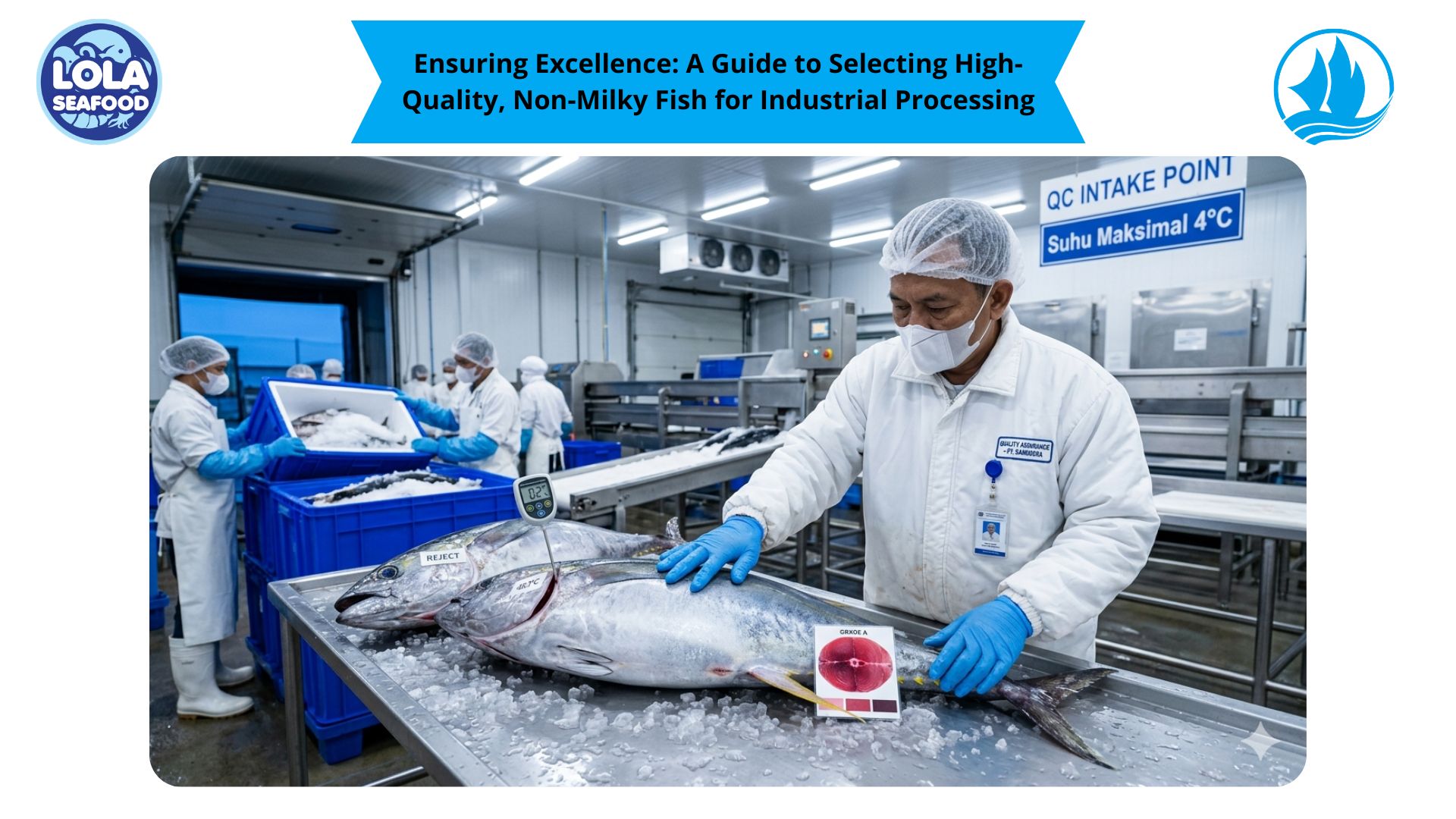
In the global seafood trade, quality is the primary currency. Pelagic fish are highly perishable; the moment a tuna is pulled from the water, the clock starts ticking. The biggest hurdle for Indonesian exports has historically been histamine levels and physical degradation due to poor post-harvest handling.
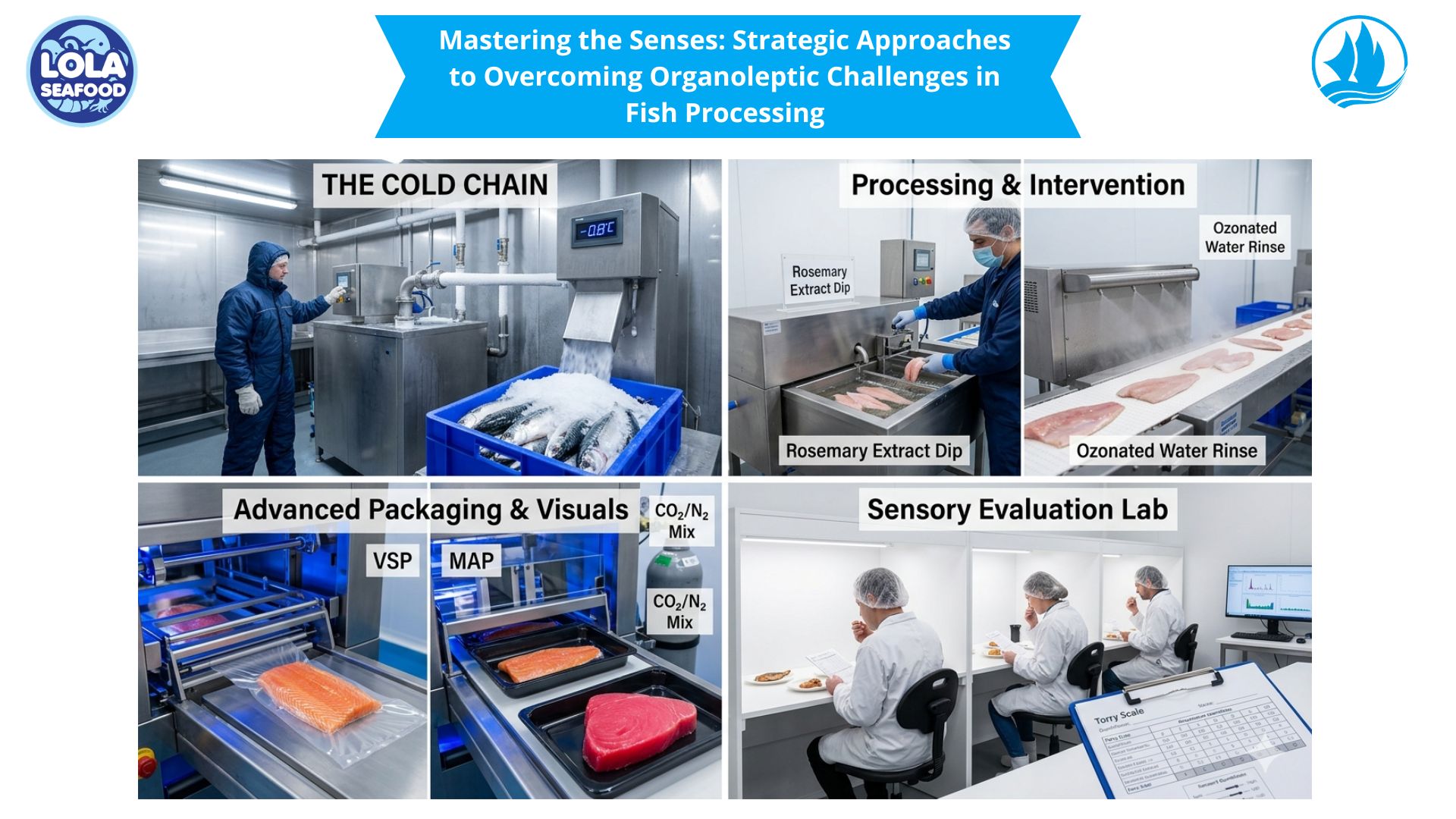
- Cold Chain Infrastructure: Competitiveness begins with an unbroken cold chain. Investing in onboard freezing technology and modernized fishing ports equipped with integrated cold storage is non-negotiable.
- Standardization: Adopting international standards such as HACCP (Hazard Analysis and Critical Control Point) and ISO 22000 across the entire supply chain ensures that Indonesian fish meet the stringent sanitary and phytosanitary (SPS) measures required by premium importers.
2. Sustainability as a Competitive Advantage
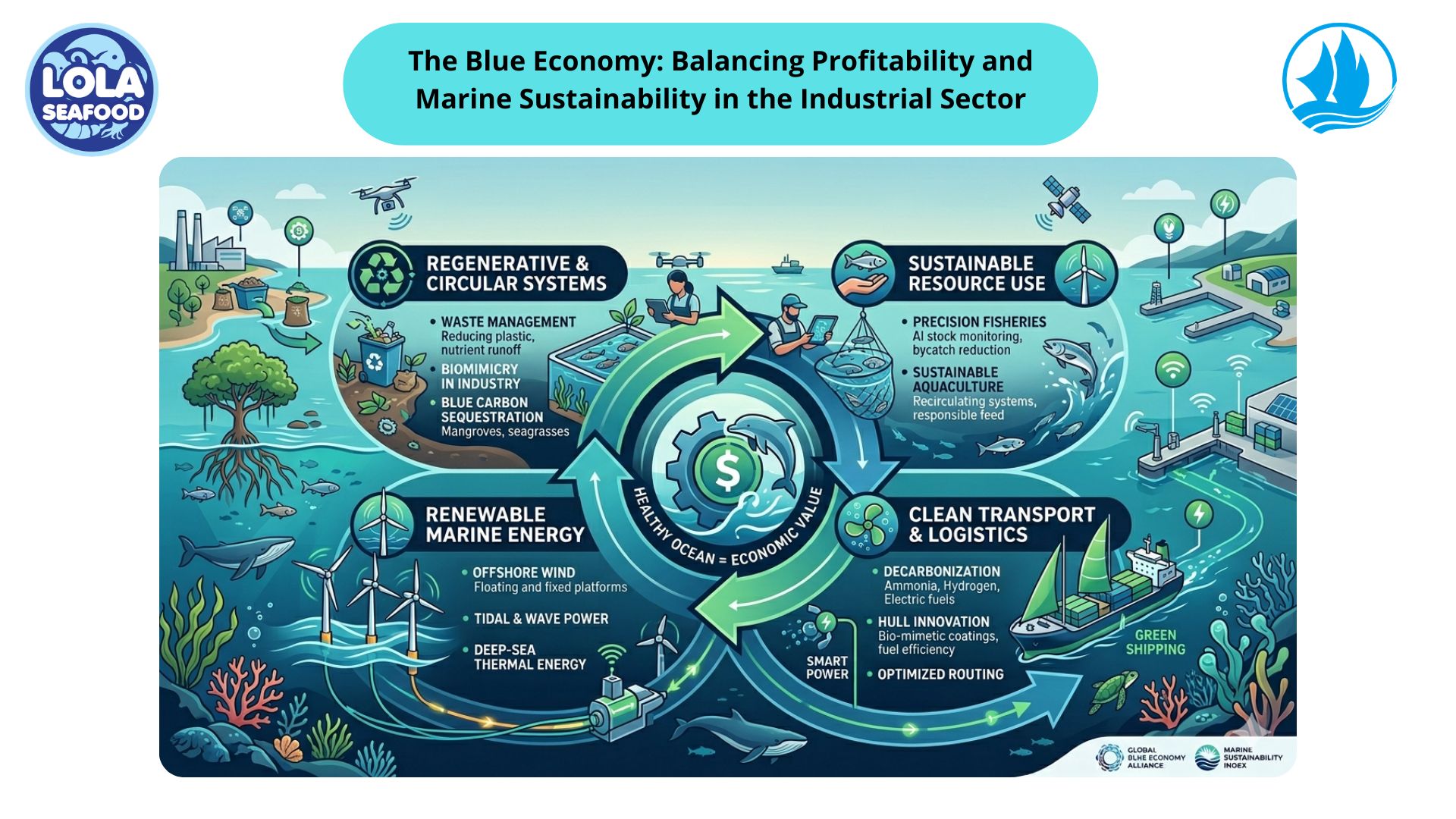
Modern consumers, particularly in Western markets, are no longer just buying fish; they are buying "stories of sustainability." Indonesia’s competitiveness is directly tied to its ability to prove that its seas are not being overexploited.
- Combating IUU Fishing: Indonesia has made strides in fighting Illegal, Unreported, and Unregulated (IUU) fishing. Sustaining this momentum through satellite monitoring and strict enforcement builds international trust.
- Eco-Certification: Achieving certifications like the Marine Stewardship Council (MSC) for skipjack and yellowfin tuna is a "golden ticket." These labels allow Indonesian products to enter high-value retail chains that prioritize ethical sourcing, often fetching a price premium of 15% to 20%.
3. Downstream Processing and Value Addition
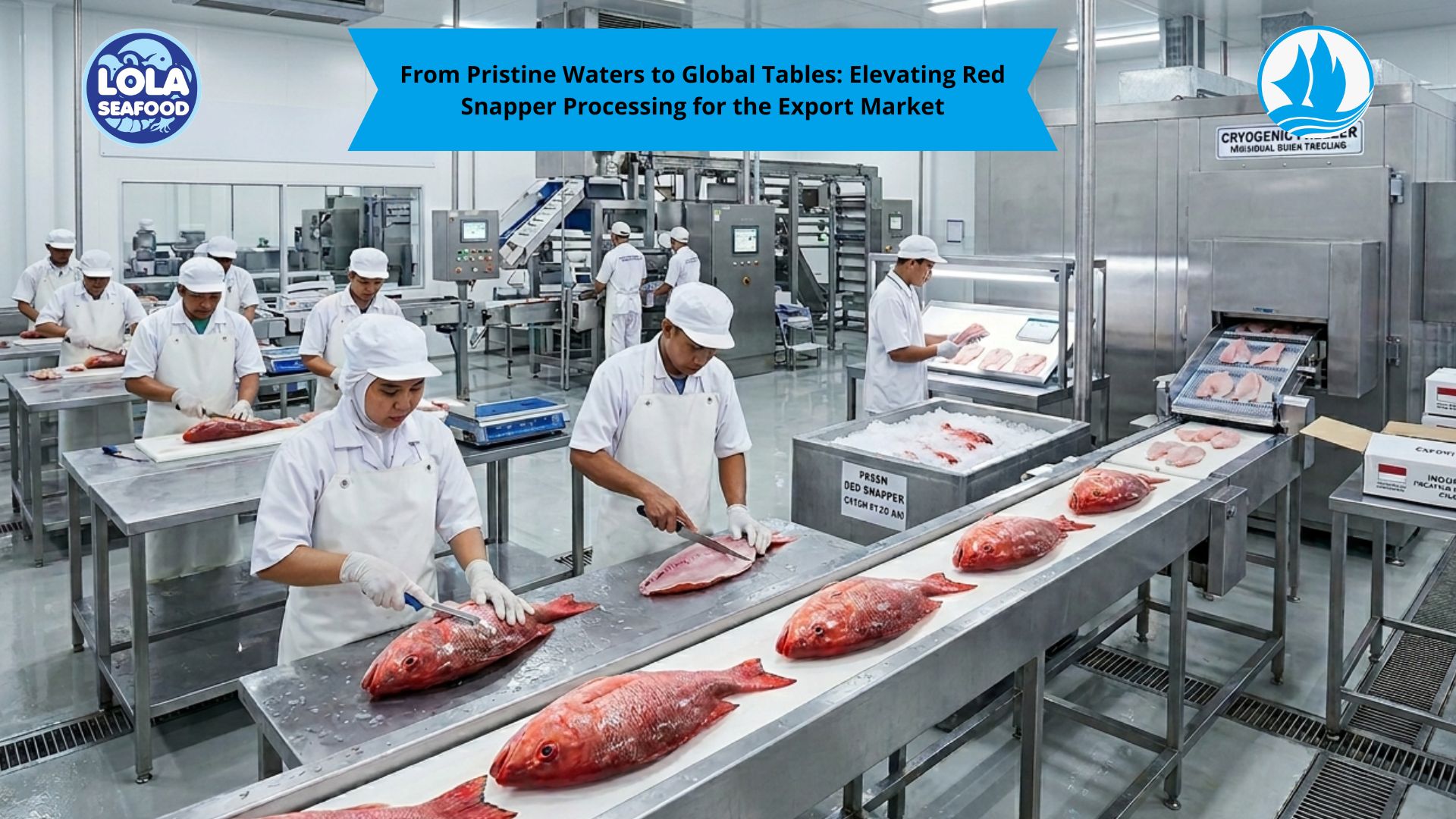
For too long, Indonesia has exported raw or chilled whole fish, only to see other nations process them and reap the higher profit margins. To increase competitiveness, Indonesia must shift toward downstream industrialization.
Instead of just exporting frozen blocks, Indonesian companies should focus on:
- Ready-to-eat pouches and gourmet canned products.
- Advanced filleting and vacuum-packaging tailored for foreign supermarkets.
- Utilizing fish by-products for fish oil, collagen, and animal feed to ensure "zero-waste" production.
4. Digitalization and Traceability
The "Catch Documentation Scheme" is becoming a global standard. Buyers want to know exactly where, when, and how a fish was caught.
By implementing Blockchain technology, Indonesia can provide a digital "passport" for its pelagic catch. A QR code on a tuna fillet in a London supermarket could show the consumer the vessel name and the sustainable gear used in the Banda Sea. This level of transparency eliminates fraud and positions Indonesia as a sophisticated, tech-forward exporter.
5. Strategic Market Diversification
While the US and Japan are traditional strongholds, Indonesia must look toward emerging markets and leverage trade agreements.
|
Target Region |
Strategy |
|
European Union |
Focus on MSC certification and reducing tariffs through the IEU-CEPA negotiations. |
|
Middle East |
Capitalize on the growing demand for Halal-certified processed seafood. |
|
Intra-ASEAN |
Utilize logistical proximity to dominate the regional fresh fish market. |
The Path Forward
The potential of Indonesia’s pelagic sector is staggering. However, bridging the gap between potential and profit requires a synchronized effort between the government and the private sector. The government must provide the "enablers"—better port infrastructure, simplified export permits, and fuel subsidies for sustainable fishers—while the private sector must embrace innovation and international quality benchmarks.
By pivoting from a strategy of "catching more" to "valorizing better," Indonesia can ensure that its blue economy becomes a sustainable engine for national prosperity. The goal is clear: to make "Product of Indonesia" synonymous with the highest quality seafood in the world.
If youre interested in our Bonito Fillet Loin , Bonito Fillet Portion Cut, Bonito Whole Round,Catfish Fillet Skinless, Catfish Steak, Catfish Whole Round / Whole Gilled Gutted,Cobia Fillet Skin On,Cobia Fillet Skinless, Cobia Whole Round / Whole Gilled Gutted please do not hesitate to contact us through email and/or Whatsapp
.jpg)