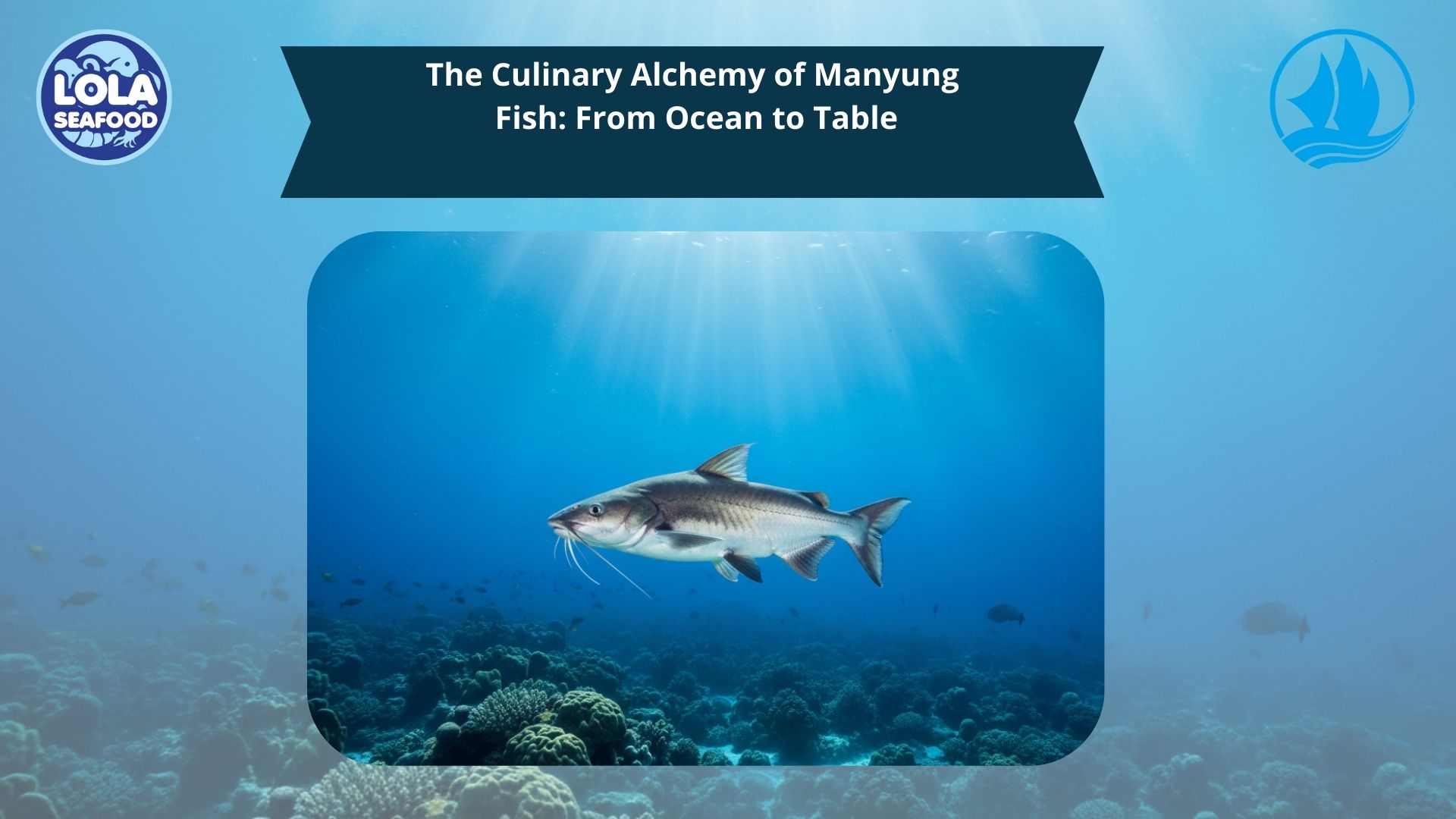
The Golden Sweetlips: Unlocking the High-Value Economic Potential of the Gaterin Fish
By. Sofie Thoriq - 04 Feb 2026
kelolalaut.com In the competitive landscape of the global seafood industry, success often lies in identifying "hidden gems"—species that offer a perfect balance of culinary excellence, market rarity, and high profit margins. While Salmon and Tuna dominate the headlines, savvy seafood exporters and investors are increasingly turning their attention to the Sweetlips fish, known in Southeast Asia as Ikan Kaci-Kaci.
Belonging to the Haemulidae family, the Sweetlips is no longer just a local delicacy found in tropical reefs. It has evolved into a high-value commodity capable of significantly boosting financial portfolios for fisheries and international traders alike.
The Culinary "White Gold": Why Buyers Want It
To attract high-end buyers, one must first understand the product's intrinsic value. The Sweetlips fish is often referred to as "White Gold" in the culinary world due to its exceptional meat quality.
The flesh of the Kaci-Kaci is pearly white, featuring a firm yet flaky texture that holds up remarkably well under various cooking techniques—from steaming and pan-searing to grilling. Unlike some reef fish that carry a strong "muddy" or overly "fishy" scent, the Sweetlips offers a clean, mild, and sweet flavor profile. This versatility makes it a favorite for Executive Chefs in Michelin-starred restaurants across Hong Kong, Singapore, and Dubai, where it is often positioned as a more sustainable and cost-effective alternative to the overfished Napoleon Wrasse or certain Grouper species.
Economic Viability and Financial Growth
From a financial perspective, Ikan Kaci-Kaci presents a compelling case for investment. Its economic value is driven by three primary factors:
1. Price Stability in Premium Segments While "commodity" fish (like Mackerel or Sardines) suffer from extreme price volatility based on daily catch volumes, the Sweetlips occupies a "specialty" niche. The market price for Kaci-Kaci remains relatively high and stable because it targets the middle-to-upper class consumer base and luxury hospitality sectors. For a business, this stability means more predictable revenue streams and better long-term financial planning.
2. High Utilization Rate The profitability of a fish is often measured by its yield. The Sweetlips has a favorable meat-to-bone ratio, ensuring that processors get maximum "sellable" weight per unit. Furthermore, the byproduct market for this species is thriving. The heads are highly prized in South Asian and Chinese markets for premium fish head curries and soups, ensuring that almost zero percent of the raw material is wasted, thereby maximizing the Return on Investment (ROI).
3. Expanding Export Frontiers The demand for tropical reef fish in East Asian markets is insatiable. Data suggests that as wild stocks of traditional favorites decline, buyers are aggressively seeking high-quality alternatives. Ikan Kaci-Kaci fits this requirement perfectly. For exporters in Southeast Asia, this represents a massive opportunity to capture market share in China’s multi-billion dollar seafood import industry.
Strategies to Attract and Retain International Buyers
In the global trade of Ikan Kaci-Kaci, quality is the currency. To attract "Big Whale" buyers and secure long-term contracts, suppliers must shift from traditional fishing mindsets to professionalized supply chain management.
- Implement Stringent Cold Chain Logistics: A buyer in Tokyo or London will only pay premium prices if the fish arrives in "Day One" condition. Investing in blast freezing technology and real-time temperature monitoring is not an expense—it is a financial strategy to prevent "quality claims" and price devaluations.
- Traceability and Sustainability: Modern buyers are obsessed with "where and how." Providing documentation that proves the Kaci-Kaci was caught using sustainable methods (such as line-caught rather than trawled) can add a 15-20% markup to the selling price.
- Professional Branding: Market the fish not just as "frozen seafood," but as "Hand-Picked Tropical Sweetlips." High-quality photography, professional specification sheets (detailing fat content, texture, and size grading), and a polished digital presence are essential tools to build trust with international procurement officers.
- If youre interested in our Snapper / Red Bass Whole Round / Whole Gilled Gutted Scaled , Snapper Fillet Skinless and Snapper Mangrove Jack Whole Round / Whole Gilled Gutted Scaled Barramundi Fillet Skinless please do not hesitate to contact us through email and/or Whatsapp
 The Deep-Sea Treasure of High-Quality Protein.jpg)